Pruitt–Igoe, Public housing project in St. Louis, US
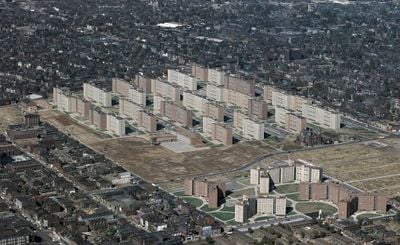
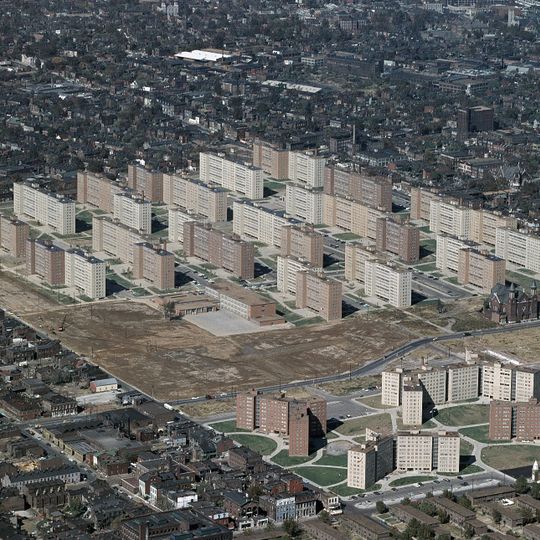
Pruitt–Igoe was a residential complex of 33 identical buildings in northern St. Louis, each standing eleven stories tall with elevators that served only selected floors. The development covered multiple city blocks in an area that today features partly woodland and partly public school grounds.
The federal government funded the project under the Housing Act of 1949 and opened the first buildings in 1954. Structural problems led to rapid decay, so the city began demolition in 1972 and removed the final structure by 1976.
The project's name combined William Pruitt, an African American fighter pilot, with John Igoe, a US congressman. Public perception turned the site into a symbol for the breakdown of socially engineered neighborhoods, though residents often reported strong community ties among themselves.
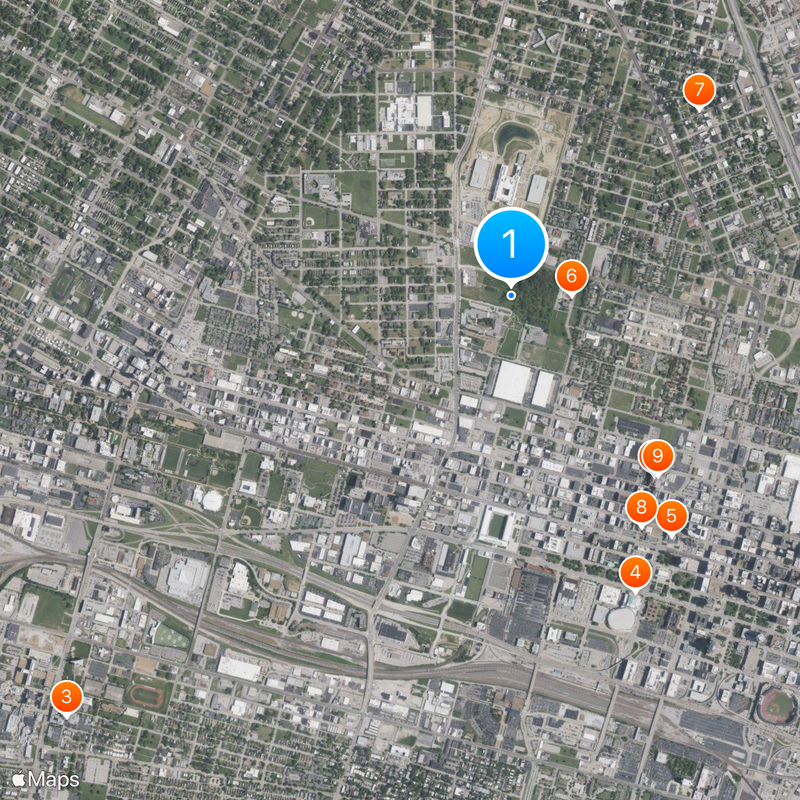
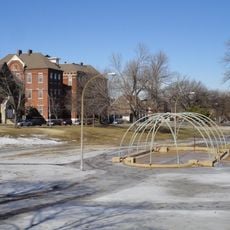
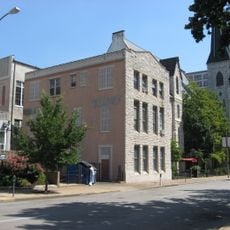
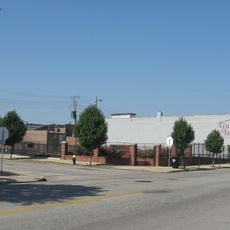
The northern portion of the former site now houses two city public schools. The southern section remains undeveloped and shows naturally returning greenery with shrubs and young trees, creating a contrast to the surrounding residential areas.
The televised demolition footage in 1972 reached news broadcasts worldwide and became a widely used archival image in debates about urban planning. Some architects called the end of this project the symbolic death date of modern architecture.
The community of curious travelers
AroundUs brings together thousands of curated places, local tips, and hidden gems, enriched daily by 92,862 contributors worldwide.