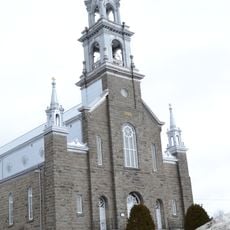
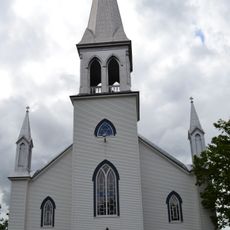
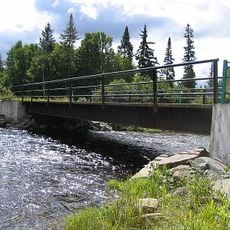
Republic of Indian Stream, Historical unrecognized state in northern New Hampshire, United States.
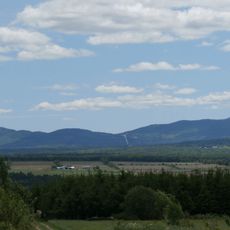
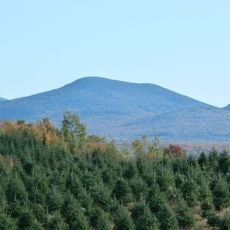
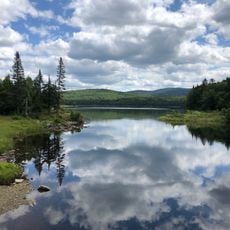
The Republic of Indian Stream was a small independent territory in northern New Hampshire covering around 200,000 acres near the Connecticut River headwaters along the Canadian border. The region was home to settlers who established their own governmental institutions separate from both the United States and British Canada.
Between 1832 and 1835, settlers in the Indian Stream region established their own republic with a constitution and court system due to unclear territorial claims from both the United States and British Canada. The boundary dispute ended in 1842 when the Webster-Ashburton Treaty formally assigned the area to the United States.
The settlers developed their own governmental and social structures, reflecting how frontier communities created local institutions to serve their needs. These early attempts at self-governance show how isolated populations managed their affairs when neither Britain nor the United States exerted clear control.
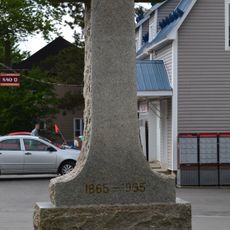
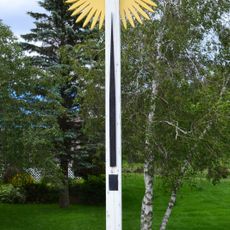
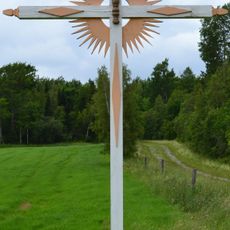
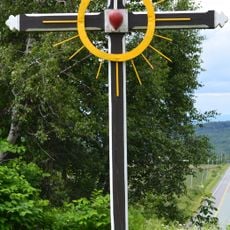
A historical marker commemorates the former republic at the intersection of Route 3 and Back Lake Road in present-day Pittsburg in the region. The location is accessible to visitors seeking to learn more about this unusual chapter in American history.
The settlement became a curious buffer zone where a few hundred residents maintained independence between two larger powers for a brief period. This tiny experiment in self-governance remains largely overlooked in broader American history.
The community of curious travelers
AroundUs brings together thousands of curated places, local tips, and hidden gems, enriched daily by 90,880 contributors worldwide.