Cherokee Outlet, Former territorial land parcel in northern Oklahoma, United States.
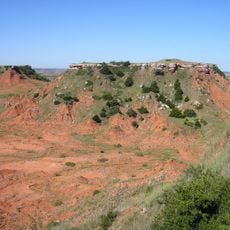
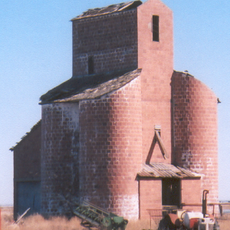
The Cherokee Outlet was a land territory in northern Oklahoma stretching approximately 60 miles from the Kansas border southward and comprising roughly 8 million acres of prairie grassland. The region served as grazing land and a buffer zone before being opened to settlement in 1893.
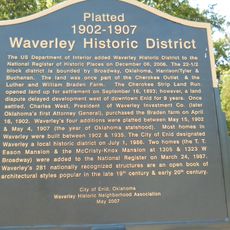
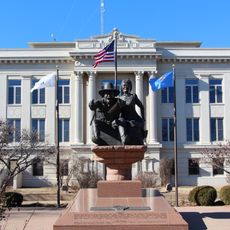
The region was assigned to the Cherokee Nation in the early 1800s as part of forced relocations from the Southeast, then opened for settlement in 1893 through the largest land distribution in United States history. Tens of thousands of settlers rapidly claimed and began developing the prairie land.
The territory became a focal point where the Cherokee Nation transitioned from hunting to leasing land for cattle ranching, fundamentally changing how the land was used and valued. This shift in practice reflected broader changes in how people engaged with the landscape.
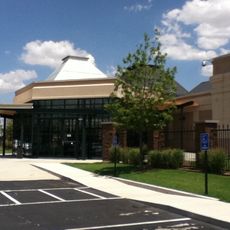
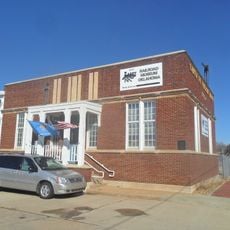
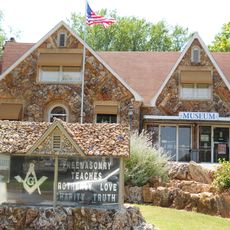
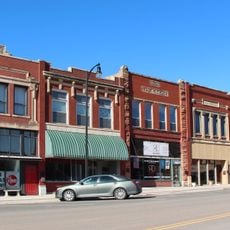
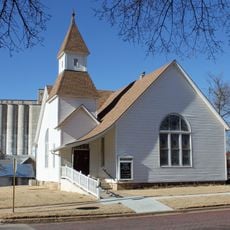
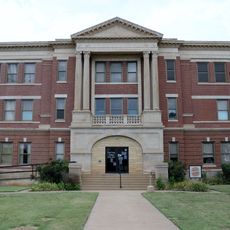
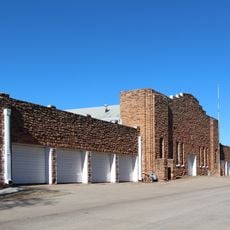
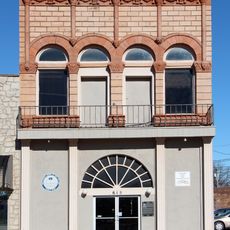
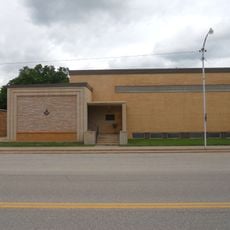
Visitors interested in this area's history can explore several museums across Oklahoma, particularly the Cherokee Strip Museum in Perry, which displays artifacts and documents from this era. Many small towns throughout the region also feature local exhibits and historical markers that document the land run experience.
The Chisholm Trail, one of the most important cattle trade routes in the United States, crossed through this territory and moved millions of cattle annually from Texas to railroad terminals in Kansas. This historic route made the outlet a vital junction in America's 19th-century commerce.
The community of curious travelers
AroundUs brings together thousands of curated places, local tips, and hidden gems, enriched daily by 91,917 contributors worldwide.