Great Beguinage of Leuven, Medieval religious complex in Leuven, Belgium
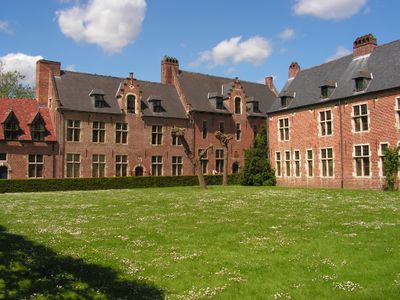
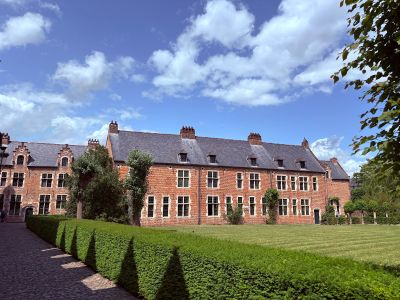
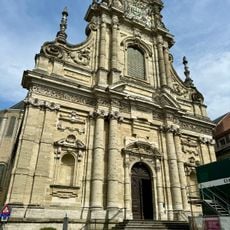
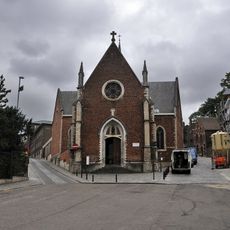
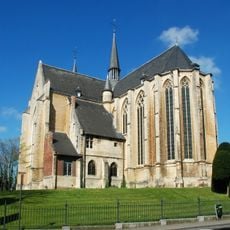
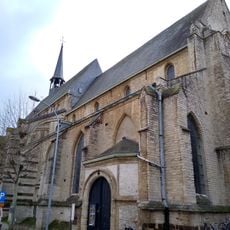
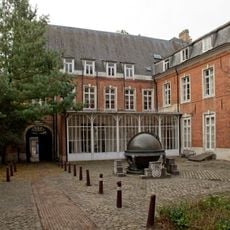
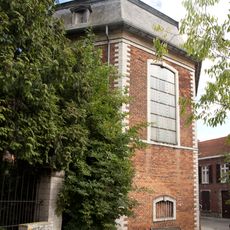
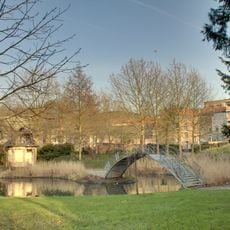
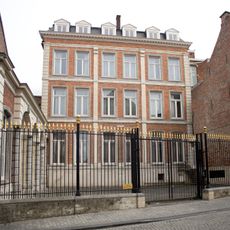
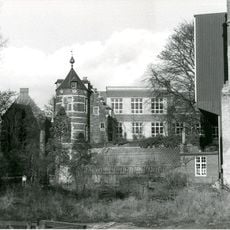
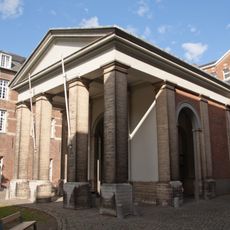
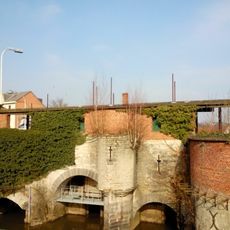
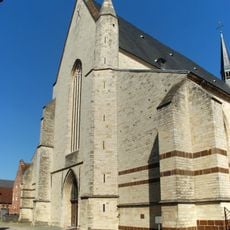
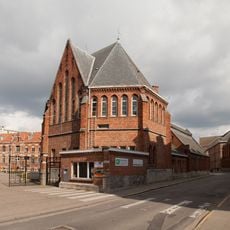
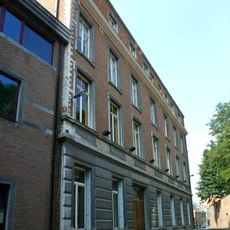
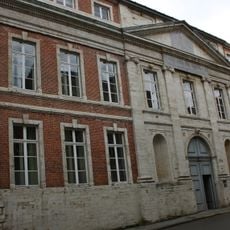
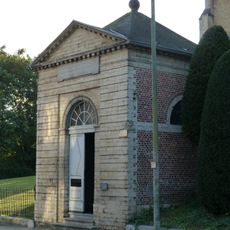
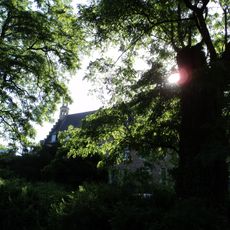
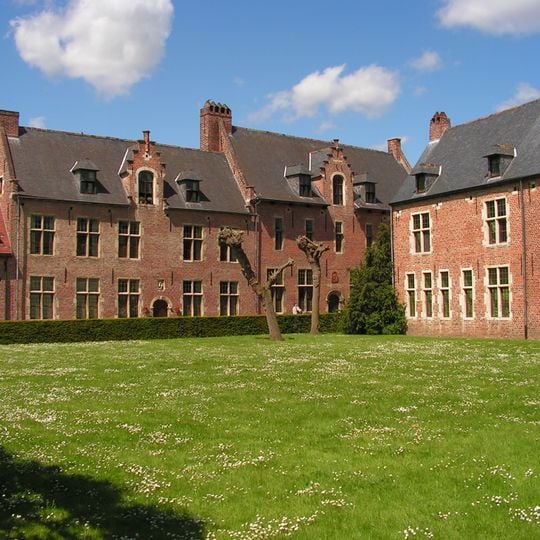
The Great Beguinage of Leuven is a medieval residential quarter extending on both sides of the Dijle River and connected by bridges. The site contains more than 80 sandstone houses, communal buildings, gardens, and the Church of Saint John the Baptist.
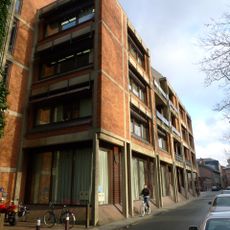
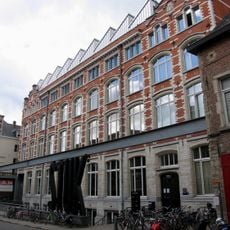
The beguinage was founded in 1234 as a residence for religious women who took temporary vows. In 1962, the Catholic University of Leuven acquired the property and converted it into housing and academic spaces.
The beguinage was a place where women lived together in community without fully committing to monastic life. Today, visitors can see in the streets and courtyards how these women organized their everyday lives in simple ways.
The grounds are freely accessible during the day for walking across the bridges and through the cobbled streets. Guided tours are available through the university for visitors who want to learn more about its history and current use.
The site once housed up to 300 beguines, religious women who kept their independence and personal property. This arrangement was unusual for its time, giving women more freedom than traditional convents offered.
The community of curious travelers
AroundUs brings together thousands of curated places, local tips, and hidden gems, enriched daily by 92,389 contributors worldwide.