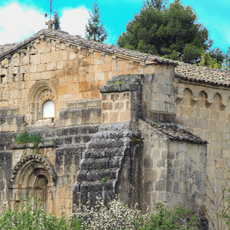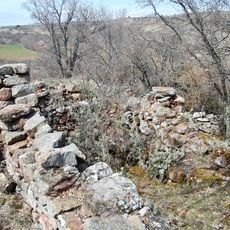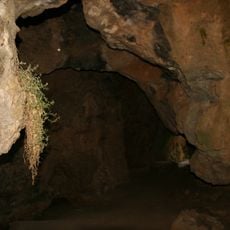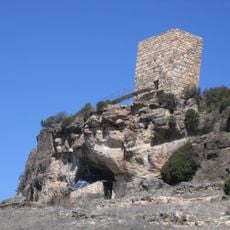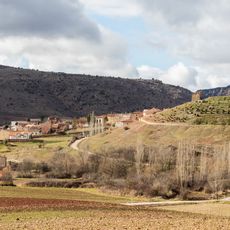
Cueva de los Casares, Prehistoric cave in Riba de Saelices, Spain.
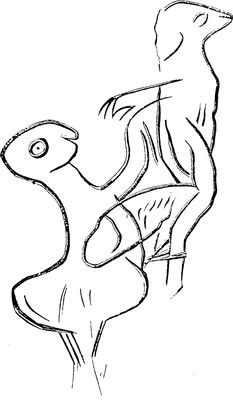
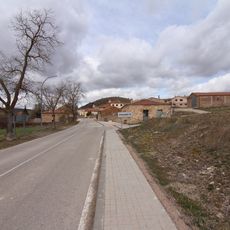
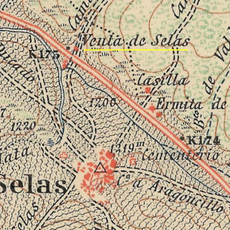
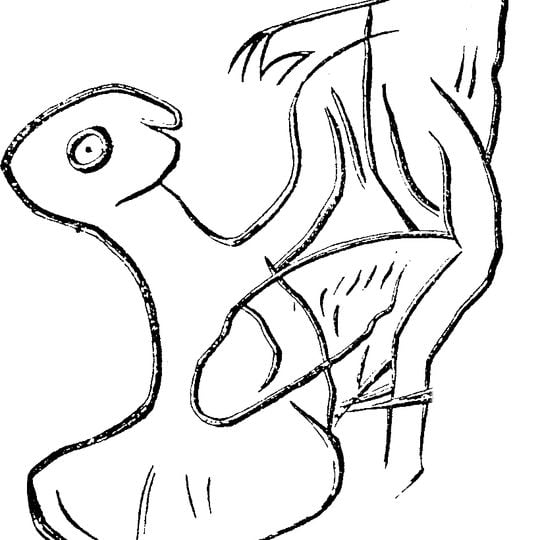
Cueva de los Casares is a limestone cave with several galleries that extend through rock formations along the Linares River and preserve numerous ancient engravings. The walls hold hundreds of carved marks depicting animals and human figures throughout the passage.
The cave was discovered in 1933 and holds artwork from the Stone Age created between 30,000 and 15,000 years ago. It stands as one of the most important sites with rock engravings in central Spain and shows evidence of human activity from this distant period.
The engravings show scenes from daily life with people in different situations and various animals like mammoths and cave bears. These images help us understand what life was like thousands of years ago and which creatures lived alongside early humans.
Visits require advance booking for guided tours with groups limited to six people maximum to protect the delicate space. The cave maintains a steady temperature between 11 and 13 degrees Celsius, so warm clothing is advisable.
Bone remains of extinct animals like panthers, cave bears, and rhinoceros have been found in the cave, showing that the region had a much colder climate during the last ice age. These animal bones help researchers understand how different nature was in that distant past.
The community of curious travelers
AroundUs brings together thousands of curated places, local tips, and hidden gems, enriched daily by 60,000 contributors worldwide.