Cueva de la Hoz, Protected limestone cave in Santa María del Espino, Spain
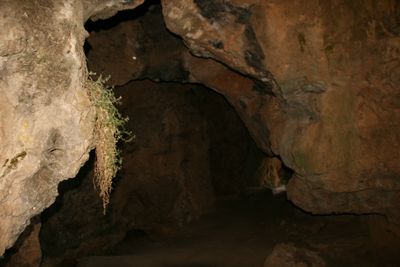
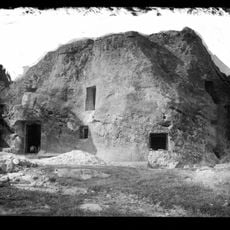
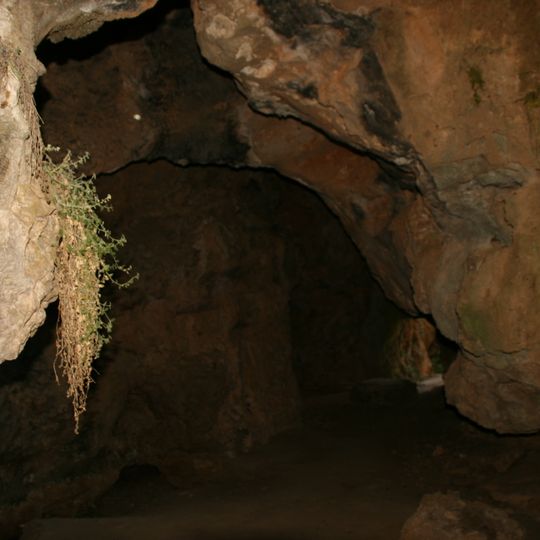
Cueva de la Hoz is a protected limestone cave that extends approximately 156 meters through narrow passages arranged in a Y-shape with two entrances. The cave system holds active karst formations including stalactites, stalagmites, and an underground lake in the lower gallery.
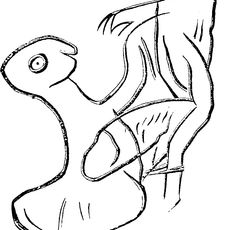
Researcher Juan Cabré documented the cave in 1935 and identified numerous prehistoric animal engravings including horses, cattle, deer, and goats. This scientific examination established the site as an important archaeological location with evidence of early human occupation.
The cave displays rock art galleries with abstract symbols and animal figures that visitors encounter while moving through the passages. These images show creatures that inhabited the region when early people lived here.
The lower gallery contains a lake fed by an underground stream, so visitors should expect uneven and potentially wet conditions. Complete exploration of the cave system requires specialized equipment, and it is wise to prepare for the level of difficulty involved.
The cave features active gours, natural limestone pools created by flowing water that continue to develop over time. These rare geological formations offer visitors a glimpse into the ongoing process of cave development.
The community of curious travelers
AroundUs brings together thousands of curated places, local tips, and hidden gems, enriched daily by 60,000 contributors worldwide.