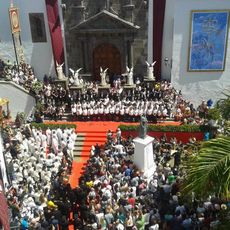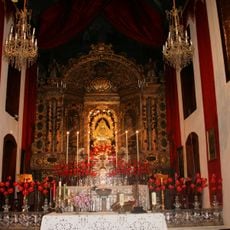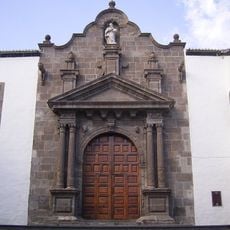
Santa Cruz de La Palma, Port municipality on La Palma island, Spain.
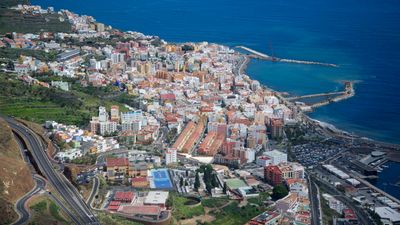
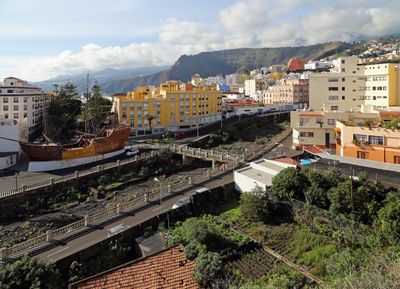
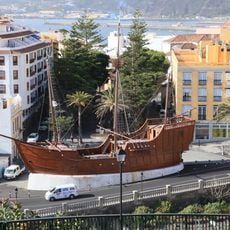
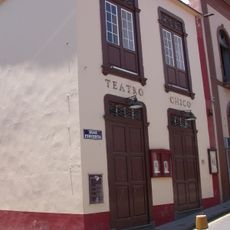
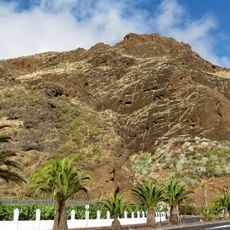
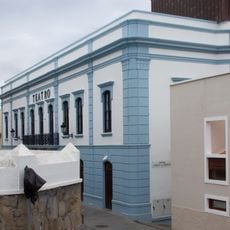
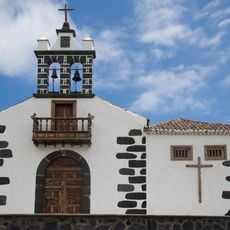
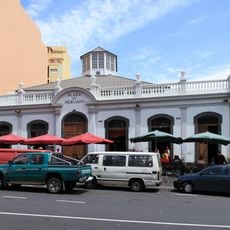
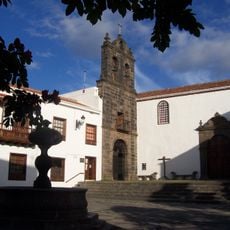
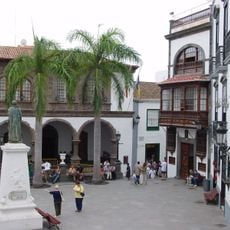
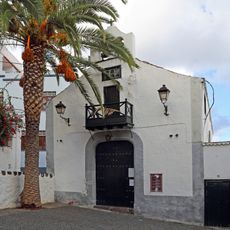
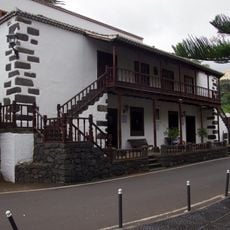
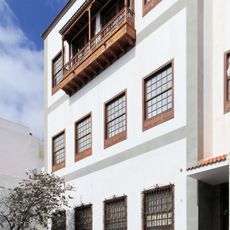
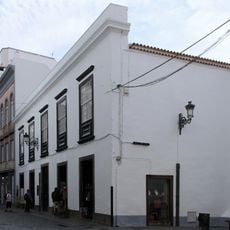
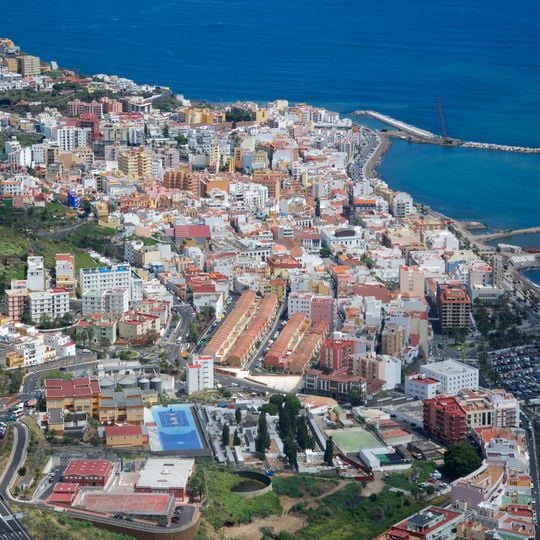
Santa Cruz de La Palma extends along the eastern coast of La Palma island with colonial houses featuring wooden balconies that face the Atlantic Ocean. The harbor forms the active center, with access to surrounding mountain areas and historic neighborhoods branching out from there.
The city was Europe's third-largest port during the 16th century after Antwerp and Seville and played a central role in trade between Spain and the Americas. Its strategic location made it a target for pirates and a hub of European commerce during that era.
The Insular Museum holds an extensive collection of Flemish religious art and paintings that reflect the city's maritime trading heritage. These works come from the period when the city was an important port with strong connections to European artists.
Ferries connect the city port with mainland Spain and other Canary Islands, while local buses help you explore the downtown area easily. The best time to visit is outside the hottest months, when the streets are more pleasant for walking.
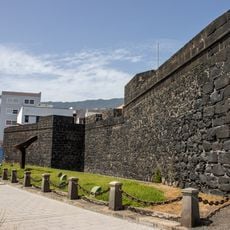
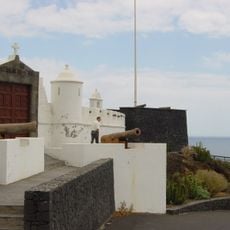
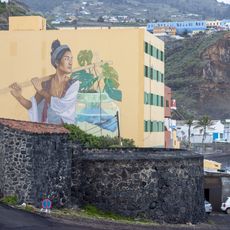
The Castle of Santa Catalina was built to defend against pirates and stands as a reminder of the city's maritime past, now visible as a historical monument. The fortress shows how critical harbor defense was to protecting the trading wealth of that period.
The community of curious travelers
AroundUs brings together thousands of curated places, local tips, and hidden gems, enriched daily by 91,691 contributors worldwide.