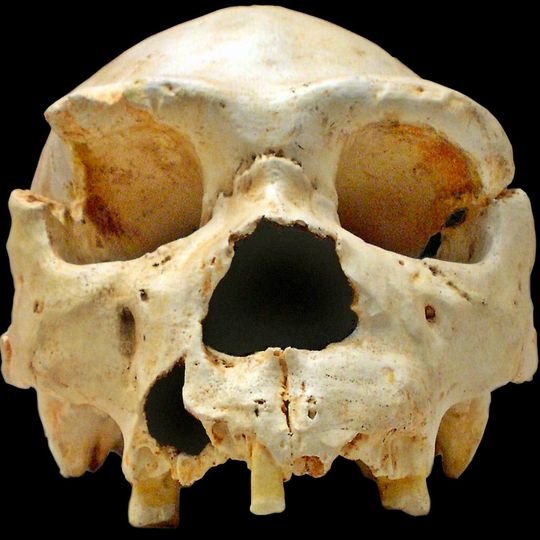
Atapuerca, Archaeological site near Burgos, Spain
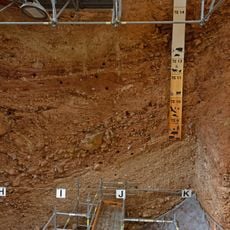
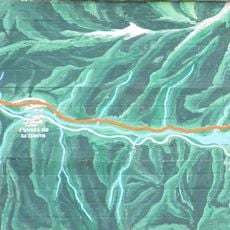
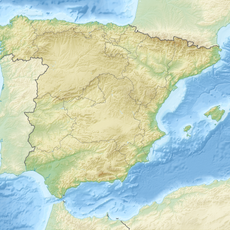
Atapuerca is an archaeological complex in the Sierra de Atapuerca near Burgos, spread across several caves and rock fissures in limestone terrain. Two of the best-known areas are Gran Dolina, a former karst cave, and Sima de los Huesos, a deep shaft inside the mountain.
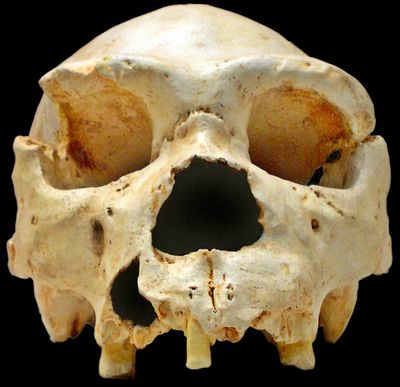
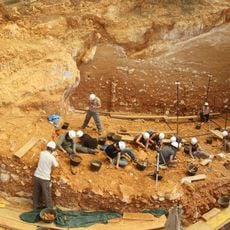
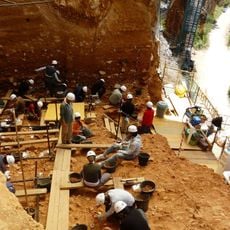
The first systematic excavations began in the 1970s, when researchers found bones and tools pointing to human settlement more than 800,000 years ago. Since then, the finds at Atapuerca have fundamentally changed our understanding of early human history in Europe.
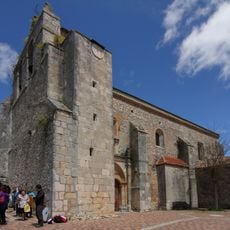
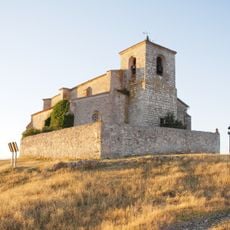
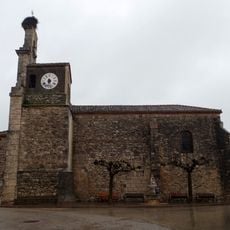
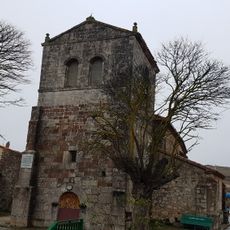
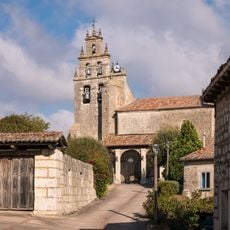
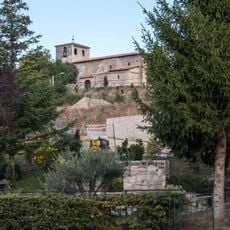
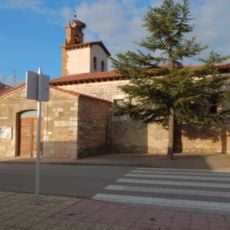
The name Atapuerca now stands for both the fossil sites and the small mountain village visitors pass through on their way to the caves. Many people come here to see how scientists piece together the lives of our earliest ancestors from tiny bone fragments and stone tools.
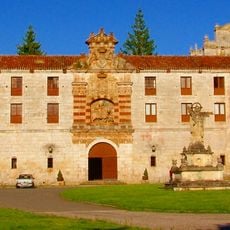
Access is through the visitor center in Ibeas de Juarros, where guided tours are offered because the excavation sites themselves are not freely accessible. The paths through the area are mostly level, but sturdy footwear is recommended as some sections cross natural ground.
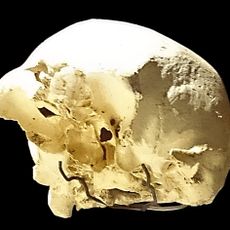
More than 5,500 human bone fragments were recovered from Sima de los Huesos, the largest collection of early human remains ever found in one place. Researchers believe the bones were placed in the shaft deliberately, possibly as a form of early burial practice.
The community of curious travelers
AroundUs brings together thousands of curated places, local tips, and hidden gems, enriched daily by 91,127 contributors worldwide.