Gran Dolina, Archaeological cave in Atapuerca Mountains, Spain
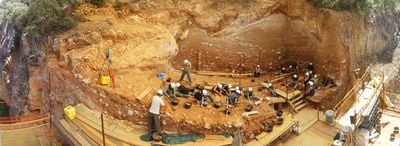
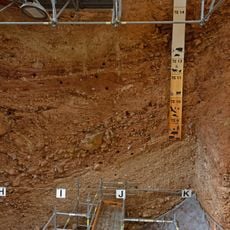
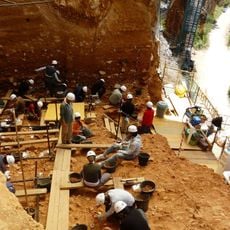
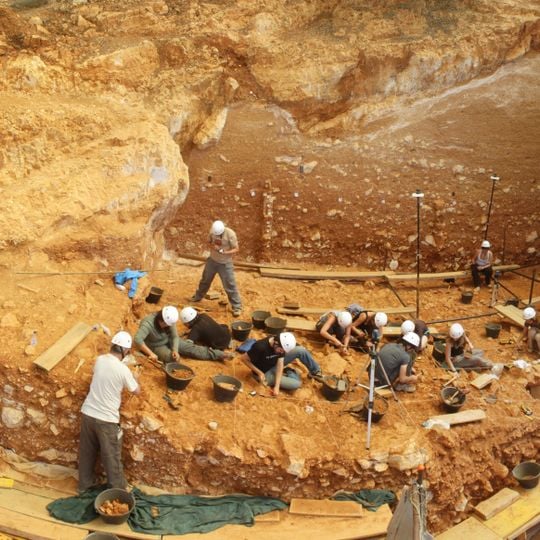
Gran Dolina is a cave in the Atapuerca Mountains containing eleven distinct sedimentary layers that extend up to 20 meters deep. The exposed limestone formation displays clear stratification that helps researchers understand the geological history.
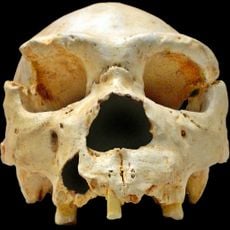
The cave was inhabited by early humans about 800,000 years ago, with fossils showing this as the oldest evidence of human settlement in Western Europe. A railway trench cut through the cave and exposed its interior, which enabled extensive archaeological research.
The cave holds evidence of early habitation through tools and bone remains scattered across its layers. These finds tell a story of how people lived and interacted in this place.
The site is best explored on foot, and visitors should be prepared for uneven terrain and narrow passages. Sturdy footwear and a flashlight are helpful, as interior areas can be quite dark.
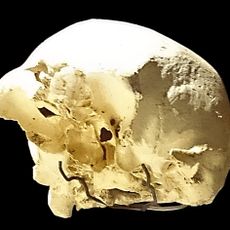
Bone remains from at least eleven individuals bear cut marks suggesting cannibalism, offering a rare window into early human behavior. This discovery provides researchers with insights into social practices and survival strategies in prehistoric times.
The community of curious travelers
AroundUs brings together thousands of curated places, local tips, and hidden gems, enriched daily by 90,842 contributors worldwide.