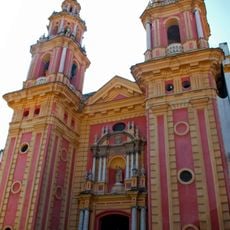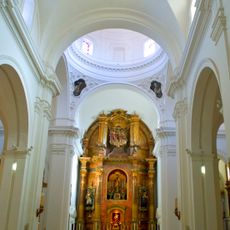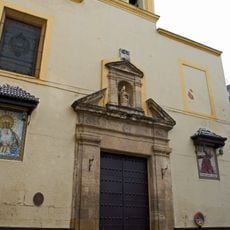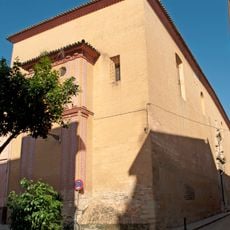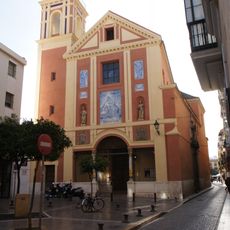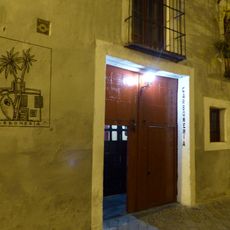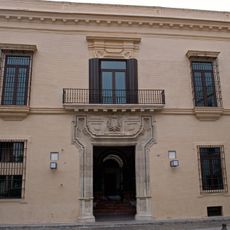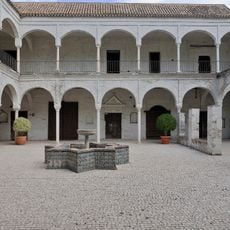
Casa de Pilatos, Andalusian palace in historic center of Seville, Spain
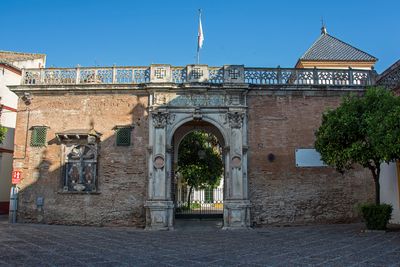
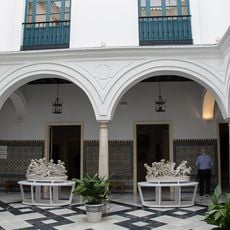
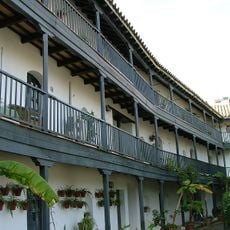
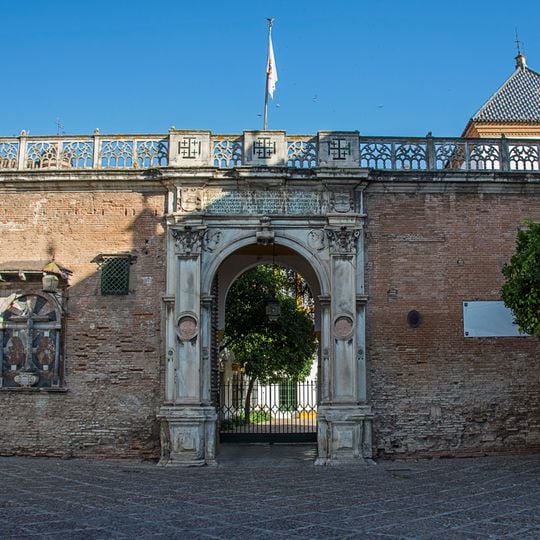
Casa de Pilatos is a palace in the historic center of Seville combining Gothic-Mudéjar and Renaissance elements. It spreads over two floors with courtyards, marble gates, gardens, and decorated galleries housing sculptures.
Building work began in 1483 under Pedro Enríquez de Quiñones and Catalina de Rivera. Their son Fadrique completed it after returning from Jerusalem in the early 16th century.
The name comes from the house of Pontius Pilate in Jerusalem, as the owner wanted to recreate it after his pilgrimage. Walls are covered with tiles showing scenes and patterns, while sculptures from Roman times stand in the galleries.
The ground floor can be explored on your own, while the upper floor is accessible only with a guided tour. The palace opens in the morning and closes in the evening, with times varying slightly by season.
The building marks the start of a processional route established in 1520 leading to Cruz del Campo. Some rooms carry names recalling stations from the Passion story.
Location: Seville
Inception: 1483
Founders: Pedro Enriquez de Quiñones
Architectural style: Mudéjar architecture
Floors above the ground: 2
Accessibility: Wheelchair limited access
Operator: Fundacion Casa Ducal de Medinaceli
Part of: Seville old town
Address: Plaza de Pilatos
Opening Hours: 09:00-19:00
Phone: +34954225298
Website: http://fundacionmedinaceli.org/monumentos/pilatos
GPS coordinates: 37.39027,-5.98699
Latest update: December 5, 2025 22:24
Seville reveals its story through the marks of many years. The Cathedral and its Giralda tower show the change from Gothic to baroque. The Royal Alcázar mixes Islamic designs with gardens shaded by orange trees. Walking through the streets, you move from the narrow alleys of Santa Cruz to the open views of Plaza de España, built in the early 20th century with channels and colorful tiles. Maria Luisa Park gives a break under the Mediterranean trees, not far from the Metropol Parasol with its modern wooden shapes that stand out against the old buildings. Along the Guadalquivir River, the Torre del Oro hints at how important the river was in medieval times. The Triana Bridge connects the city center to the pottery and sailor neighborhoods. Places like the Fine Arts Museum and the Hospital de los Venerables open doors to spaces where art and architecture meet. Each spot tells a different part of the story, with no one dominating.
Andalusia holds a notable collection of historic gardens that reflect different periods of Spanish history. These sites combine Moorish, Christian, and modern design traditions and demonstrate the evolution of garden art on the Iberian Peninsula. From the terraced layouts of the Nasrid era to the parks of the 19th and 20th centuries, these places provide insight into the cultural influences of various ages. Granada contains several significant examples of this garden tradition. The Generalife served as the summer residence of the Nasrid sultans and features water features, patios, and planted terraces overlooking the Alhambra. The Carmen de los Mártires combines Moorish, French, and English garden elements, while the Fundación Rodríguez-Acosta represents an example of early 20th-century garden design. Additional sites such as the Carmen de la Victoria, the Jardin de los Adarves, and the Palacio de los Córdova complete the picture of Granada's garden tradition. Seville houses one of Spain's most important historic gardens at the Real Alcázar. The complex includes Moorish courtyards, Renaissance parterres, and modern plantings. The city also offers the Jardines de Murillo at the edge of the Alcázar grounds, the expansive María Luisa Park with its pavilions and plazas, the Jardín Americano with exotic vegetation, as well as Los Jardines de la Buhaira and La Cartuja de Sevilla. The Casa de Pilatos displays an ornate palace courtyard with plants and fountains. In Córdoba, the Alcázar de los Reyes Cristianos presents geometric gardens with water basins and cypresses, while the Palacio de Viana offers twelve different interior courtyards with varied plantings. Málaga contributes to the diversity with the Botanical Garden La Concepción and the Pedro Luis Alonso Gardens, and in Vélez de Benaudalla lies the Nasrid Garden of Vélez as another testimony to Moorish garden design.
Seville features an exceptional architectural and cultural ensemble. The city is home to the Gothic cathedral, the Moorish-influenced Alcázar, the Santa Cruz district, and the Plaza de España. Parks and gardens such as María Luisa offer spaces filled with orange trees and palm trees. The Guadalquivir River flows through the city, bordered by the Triana district known for its ceramics workshops. Museums, palaces, and churches house art collections from the Middle Ages to the present.
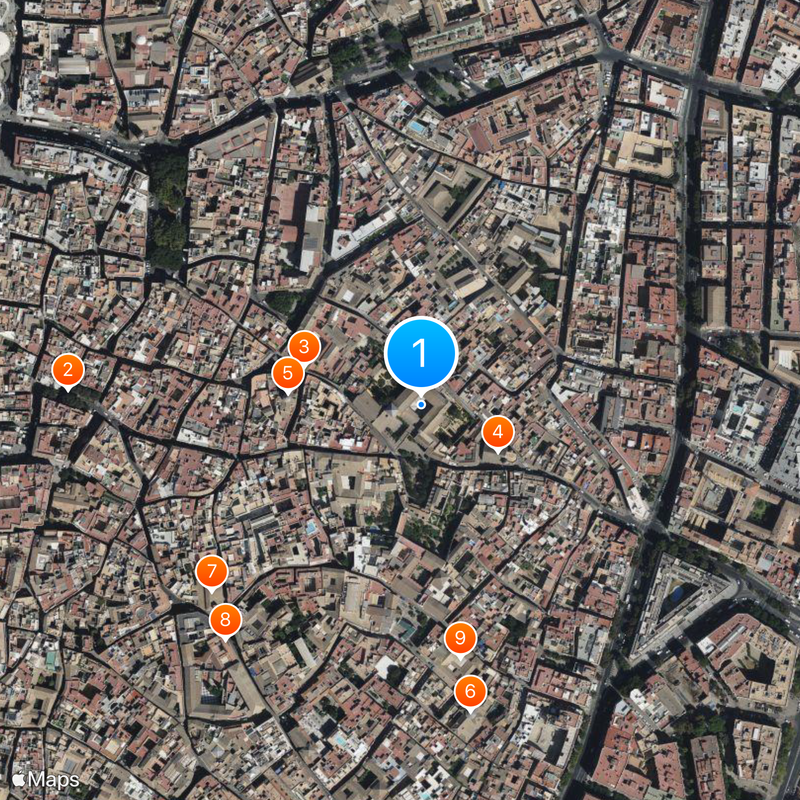
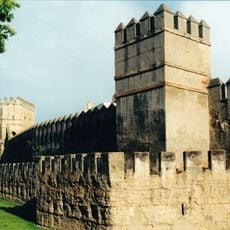
Murallas de Sevilla illojuan
340 m
Iglesia de Santa Catalina
335 m
Iglesia de San Pedro (Sevilla)
382 m
Mariano Bellver Collection
389 m
Flamenco Dance Museum
398 m
Monastery of San Leandro of Seville
119 m
Iglesia de San Esteban
86 m
Iglesia de San Ildefonso (Sevilla)
129 m
Iglesia de San Bartolomé
298 m
House Fabiola-Mariano Bellver Donation
400 m
Iglesia de San Nicolás de Bari (Sevilla)
270 m
Convento de Madre de Dios
294 m
Palacio de Mañara
246 m
Antiguo Convento de Padres Terceros
414 m
Iglesia de San Alberto
423 m
Church of the Convento de San José
341 m
Museo del Baile Flamenco
395 m
Convento Santa María de Jesús
84 m
Palacio de Altamira
376 m
La Carbonería
255 m
Church of Santiago, Seville
131 m
Archivo Histórico Provincial de Sevilla
336 m
Palacio de Villapanés
161 m
Hemeroteca Municipal de Sevilla
332 m
Convento de Santa María de los Reyes
151 m
Corral del Conde
205 m
Velazquez birthplace
306 m
Casa en Calle Fabiola, nº 1
376 mVisited this place? Tap the stars to rate it and share your experience / photos with the community! Try now! You can cancel it anytime.
Discover hidden gems everywhere you go!
From secret cafés to breathtaking viewpoints, skip the crowded tourist spots and find places that match your style. Our app makes it easy with voice search, smart filtering, route optimization, and insider tips from travelers worldwide. Download now for the complete mobile experience.
A unique approach to discovering new places❞
— Le Figaro
All the places worth exploring❞
— France Info
A tailor-made excursion in just a few clicks❞
— 20 Minutes