See the monuments around you in AROpen chests in the app
Around Us is built for your phone — point your camera at the streets and discover the monuments and places around you in augmented reality.Around Us is built for your phone — chests unlock when you walk, explore and capture nearby places.
Architecture in Seville: Gothic cathedrals, Moorish palaces, and old neighborhoods
Seville reveals its story through the marks of many years. The Cathedral and its Giralda tower show the change from Gothic to baroque. The Royal Alcázar mixes Islamic designs with gardens shaded by orange trees. Walking through the streets, you move from the narrow alleys of Santa Cruz to the open views of Plaza de España, built in the early 20th century with channels and colorful tiles.
Maria Luisa Park gives a break under the Mediterranean trees, not far from the Metropol Parasol with its modern wooden shapes that stand out against the old buildings. Along the Guadalquivir River, the Torre del Oro hints at how important the river was in medieval times. The Triana Bridge connects the city center to the pottery and sailor neighborhoods. Places like the Fine Arts Museum and the Hospital de los Venerables open doors to spaces where art and architecture meet. Each spot tells a different part of the story, with no one dominating.
Architecture in Seville: Gothic cathedrals, Moorish palaces, and old neighborhoods
Seville reveals its story through the marks of many years. The Cathedral and its Giralda tower show the change from Gothic to baroque. The Royal Alcázar mixes Islamic designs with gardens shaded by orange trees. Walking through the streets, you move from the narrow alleys of Santa Cruz to the open views of Plaza de España, built in the early 20th century with channels and colorful tiles.
Maria Luisa Park gives a break under the Mediterranean trees, not far from the Metropol Parasol with its modern wooden shapes that stand out against the old buildings. Along the Guadalquivir River, the Torre del Oro hints at how important the river was in medieval times. The Triana Bridge connects the city center to the pottery and sailor neighborhoods. Places like the Fine Arts Museum and the Hospital de los Venerables open doors to spaces where art and architecture meet. Each spot tells a different part of the story, with no one dominating.
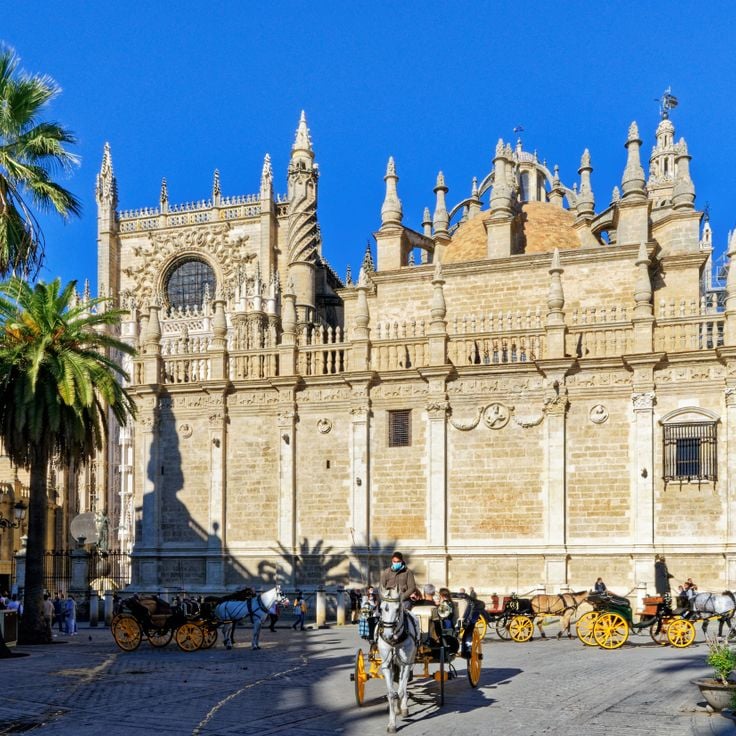
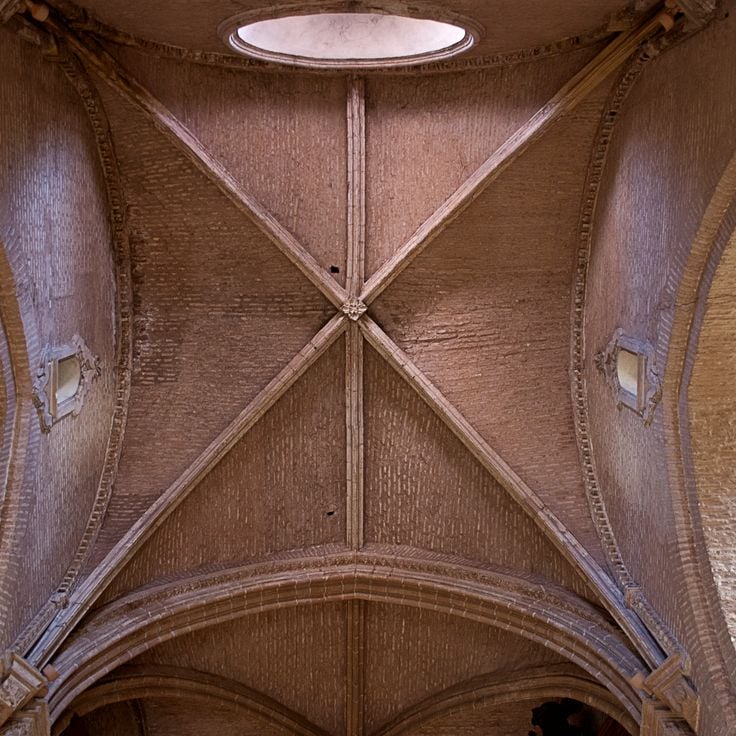
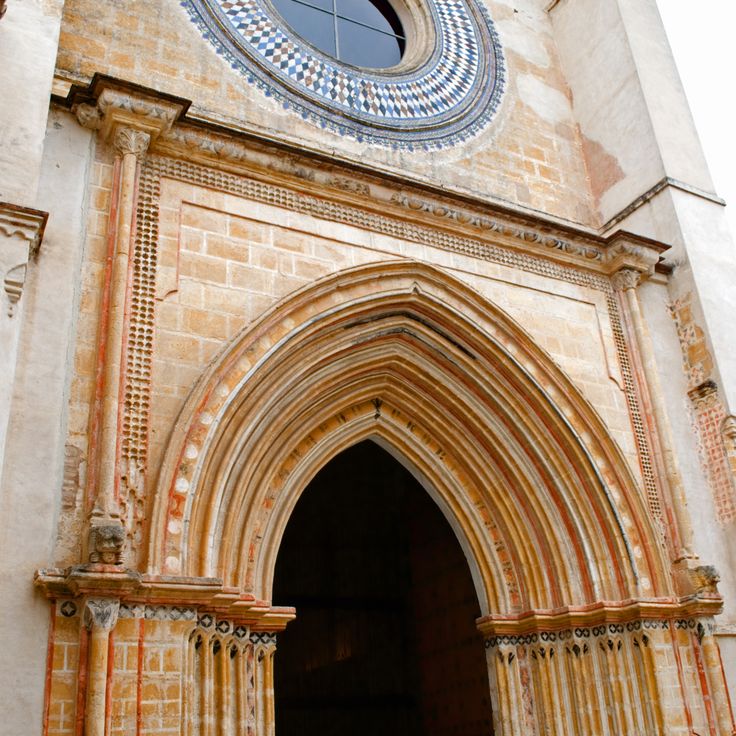
This cathedral stands where the great mosque of Seville once rose. Parts of the older structure can be recognized in the Giralda, a tower built in the 12th century as a minaret. Later, it was extended and topped with a Christian bell chamber. The church dates from the 15th century and is among the largest Gothic religious buildings in Europe. Inside, tall vaults alternate with chapels set up by different brotherhoods. There are wooden altars, gilded carvings, and paintings from several periods. The choir and the sacristy show the transition between Gothic and Renaissance. The tomb of Christopher Columbus lies in a side chapel. From the upper level of the Giralda, rooftops, the river, and the neighboring districts spread out below. The cathedral forms the center of a group of buildings that includes the Archbishop's Palace and the Alcázar.
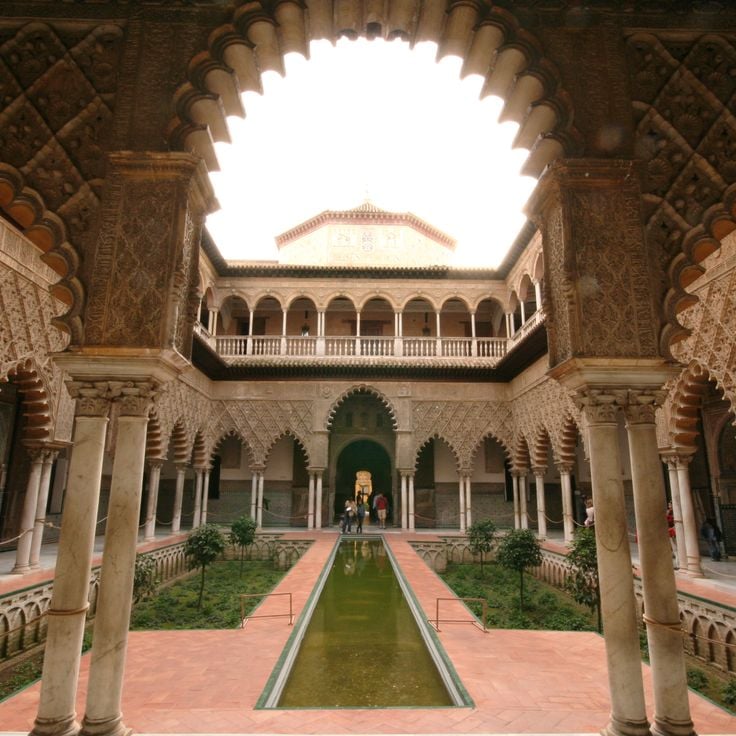
The Royal Alcazar of Seville is made up of several courtyards and halls whose walls are covered with ceramic tiles, carved plaster, and wooden ceilings. The building has been extended and altered over centuries, so Islamic arches and ornaments sit beside rooms in Gothic or Renaissance style. The gardens spread across multiple levels and are crossed by channels that distribute water from an old irrigation system. Orange trees, palms, and low hedges form shady paths between the pavilions. The site is still used for official receptions today and remains an example of the layers of history that overlap in Seville.
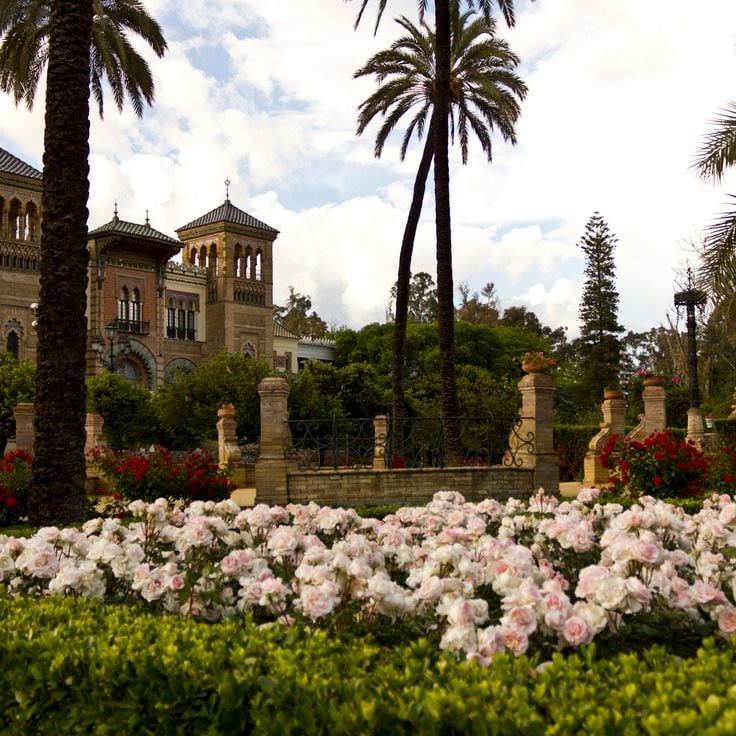
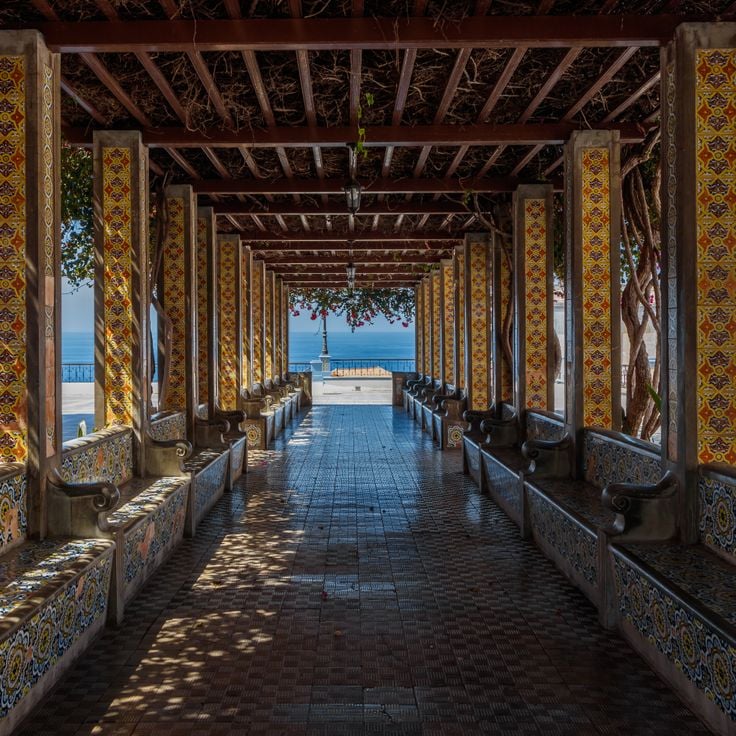
Parque de María Luisa invites you to walk beneath Mediterranean trees, among fountains and pavilions built in the early 20th century in an Andalusian style. Paths wind through palm groves and past orange trees, while ceramic benches and water basins offer moments of rest in the shade. The park lies next to Plaza de España and forms a green link between Seville's historic buildings and the banks of the Guadalquivir. Joggers, families with children, and visitors seeking quiet before or after a museum visit gather here. Vegetation shifts from manicured beds to thicker patches where ducks pause by small ponds. The pavilions show traces of Moorish ornament, though no single building takes center stage. The park feels like a garden expanded over time, with small squares and avenues opening in different directions.
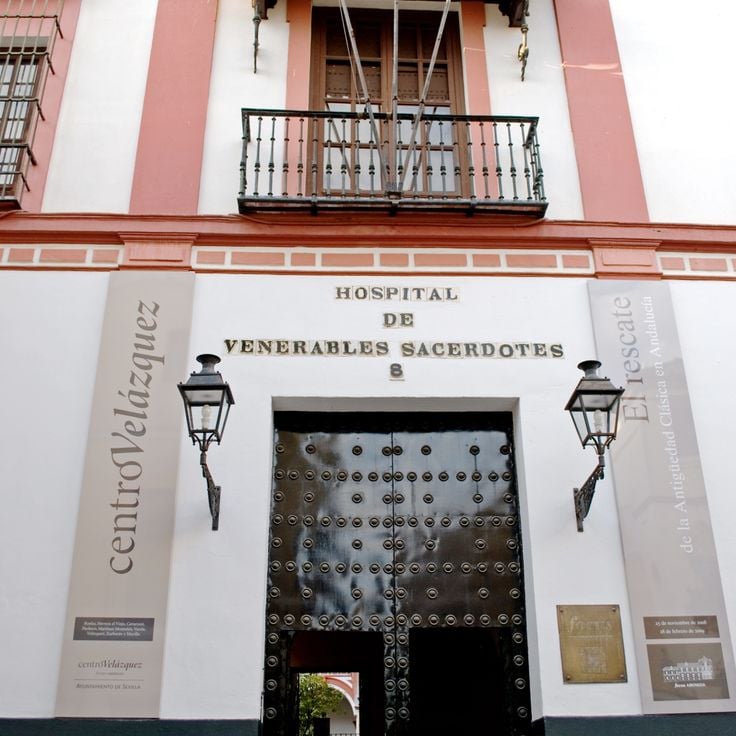
The Hospital de los Venerables was built in the 17th century and served as a residence for elderly priests. Inside, the rectangular courtyard with its fountain shows the design of religious houses from the period. The chapel preserves frescoes by Juan de Valdés Leal depicting scenes from the lives of the apostles. The space is decorated with gilded altarpieces and carved woodwork reflecting Seville's baroque style. Today the building houses the collection of the Focus-Abengoa Foundation, with paintings by Velázquez and other artists from the Golden Age. You walk through a place that is both quiet architecture and living art history.
The Plaza de España was built in the 1920s for the Ibero-American Exposition and presents a large semicircular plaza surrounded by a building of brick and glazed ceramic. Along the façade, alcoves decorated with colored tiles represent the Spanish provinces. In front of the building, a canal runs through the space, crossed by small bridges. Visitors can sit on the benches inside the alcoves, walk along the water, or take rowboats on the canal. The plaza forms part of María Luisa Park and blends the landscape with the architecture of the period.
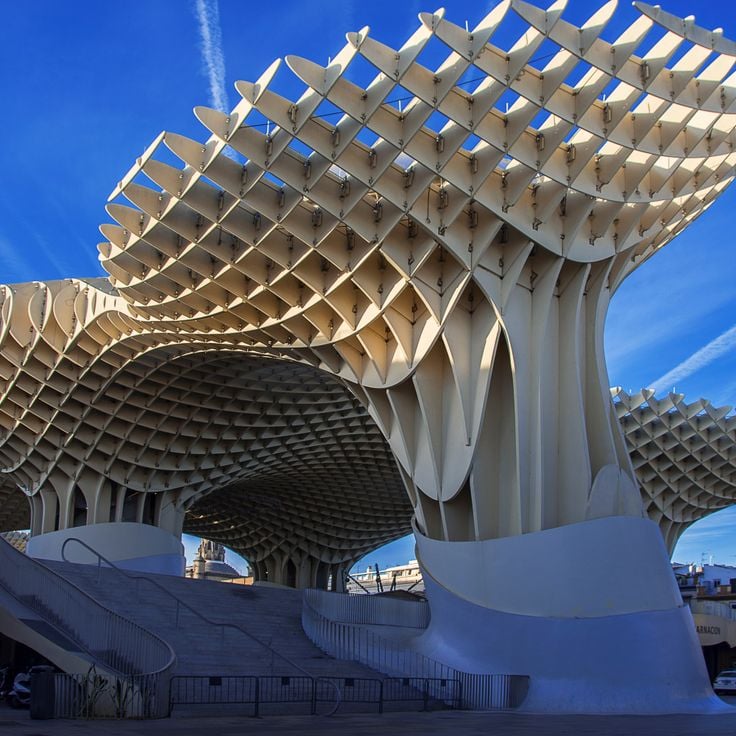
The Metropol Parasol was built in 2011 on Plaza de la Encarnación and consists of six interconnected wooden structures extending roughly 150 meters (490 feet) in length. The undulating canopies rest on concrete columns and provide shade over the square, where a market and an underground museum are located. Staircases and elevators lead to the upper levels, offering views over the rooftops of the old town toward the cathedral and the river. The laminated timber cladding forms a lattice that creates shifting patterns of light and shadow throughout the day. The structure stands in the middle of a historic district and contrasts with the surrounding baroque and Gothic facades through its contemporary forms.
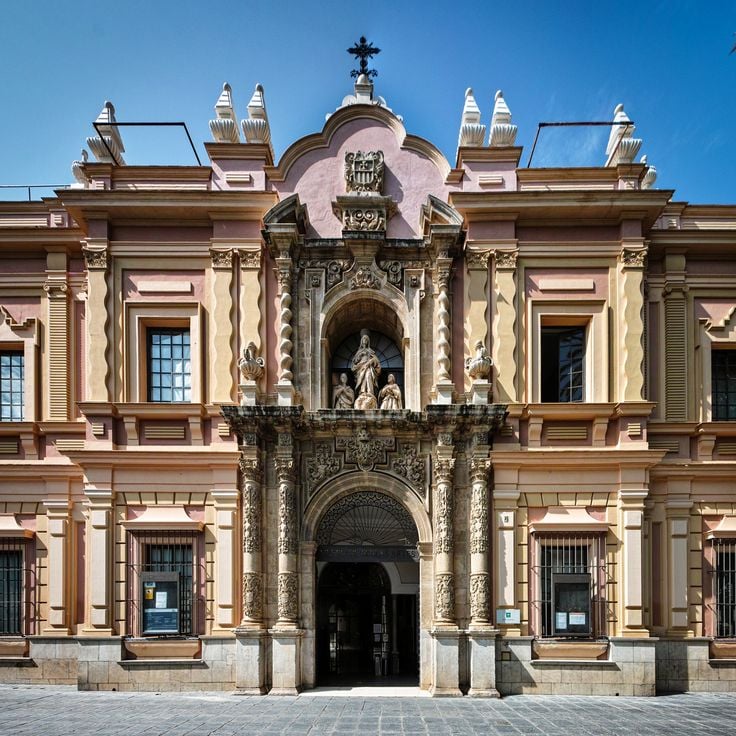
The Fine Arts Museum occupies a former Mercedarian monastery, a building with courtyards, galleries, and chapels dating from the 17th century. The rooms hold paintings, sculptures, and ceramics from the medieval period through the 20th century, including works by Murillo, Zurbarán, and Valdés Leal. The collection focuses on art from Andalusia and traces the religious and secular painting of the region. The former convent spaces provide the setting for altarpieces, processional statues, and still lifes. The museum opened in 1839 and counts among the oldest public art collections in Spain. On the ground floor, galleries open onto courtyards with orange trees, while upper halls house larger canvases and wall paintings. Here you can follow how themes, light, and colors shifted in Spanish painting across the centuries.
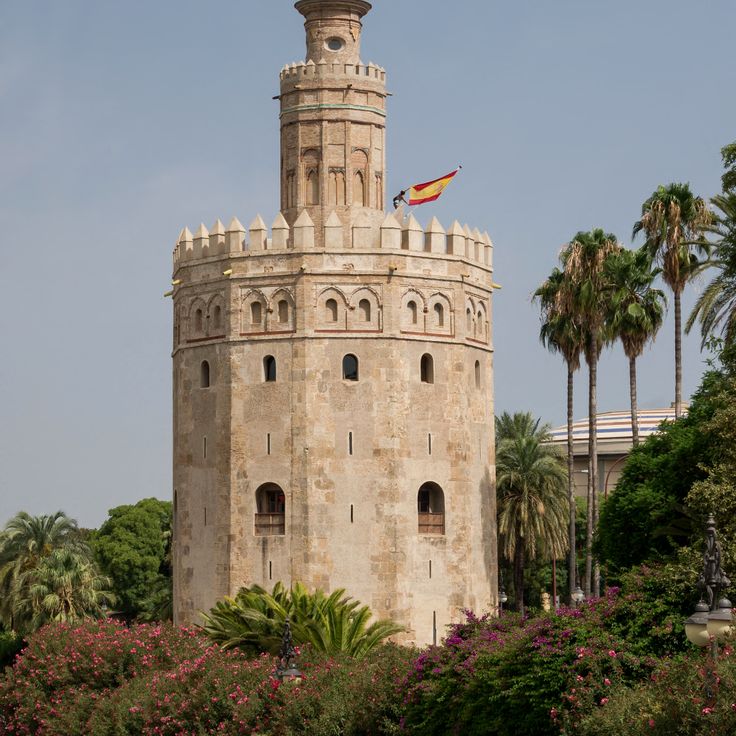
This twelve-sided watchtower was built in the early 13th century to monitor the passage of ships on the Guadalquivir River. Its location by the riverbank made it a key point for controlling trade routes toward the Atlantic. The name refers to the golden tiles that once covered the facade and reflected the sunlight. Today, the Torre del Oro houses a small collection on maritime history, displaying models, navigation instruments, and maps from different centuries. From the upper floor, you can see the river and the opposite banks, where boats and ferries still operate.
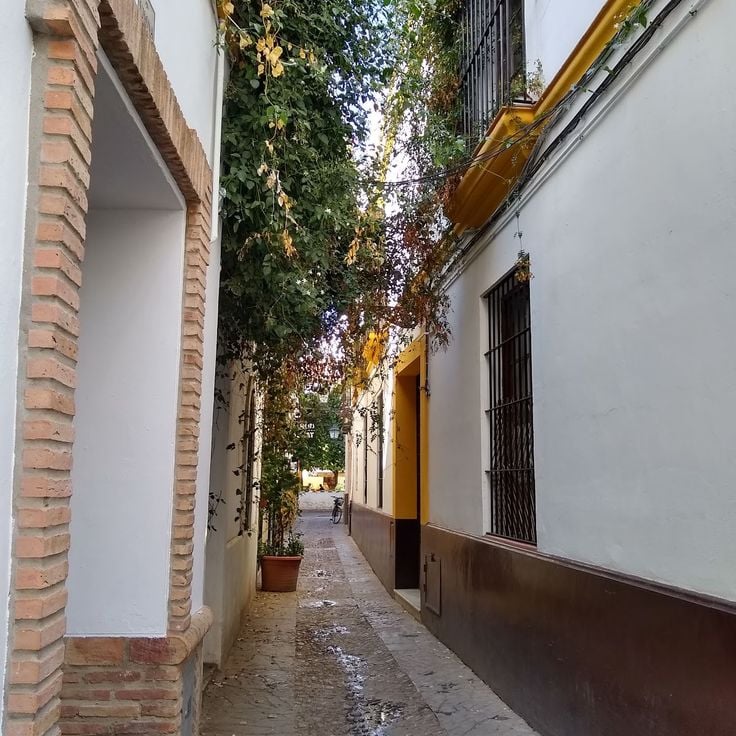
The Santa Cruz quarter shows the medieval heritage of the city through its white houses and narrow lanes. Orange trees grow between the walls, their scent mixing with that of flowers in small courtyards. Squares open suddenly between the tight paths, offering fountains and shaded seating. Windows with wrought-iron grilles, tiled facades, and low arches define the architecture. The Jewish community once lived here, and today the paths lead to restaurants, workshops, and homes where daily life continues.
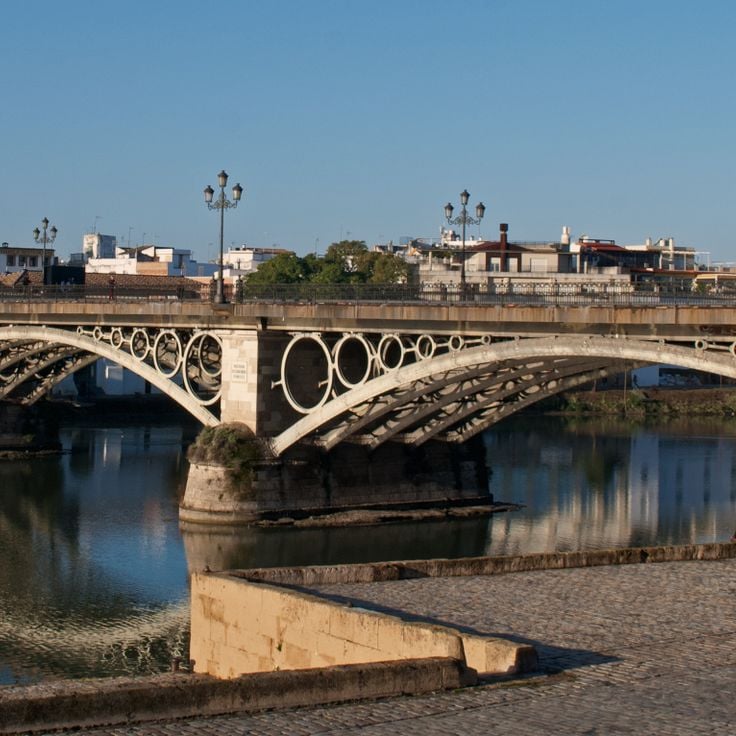
The Triana Bridge connects the center of Seville to the neighborhood of potters and sailors across the Guadalquivir River. It was built in the 19th century using iron and remains an important crossing for pedestrians and vehicles. From here you can watch the river that shaped the local economy for centuries and see the low houses of Triana stretching along the waterfront. The view reaches downstream to the Torre del Oro and to the historic neighborhoods on the other side.
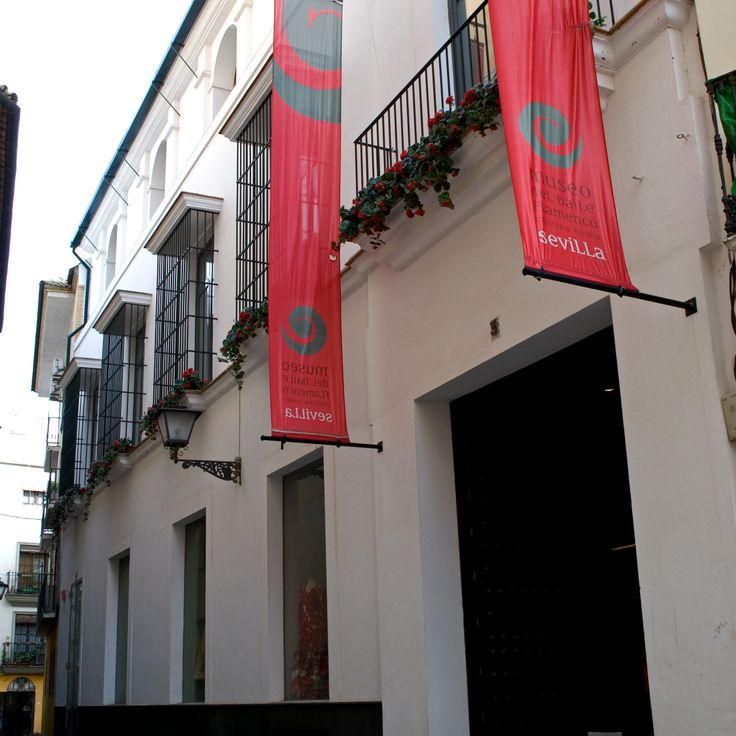
The museum displays costumes, instruments and documents tracing the development of Andalusian dance since the 18th century. Visitors to this building in the historic center follow the path of this art form from its origins to contemporary interpretations through photographs, posters and objects that reveal the daily life of performers and the evolution of staging.
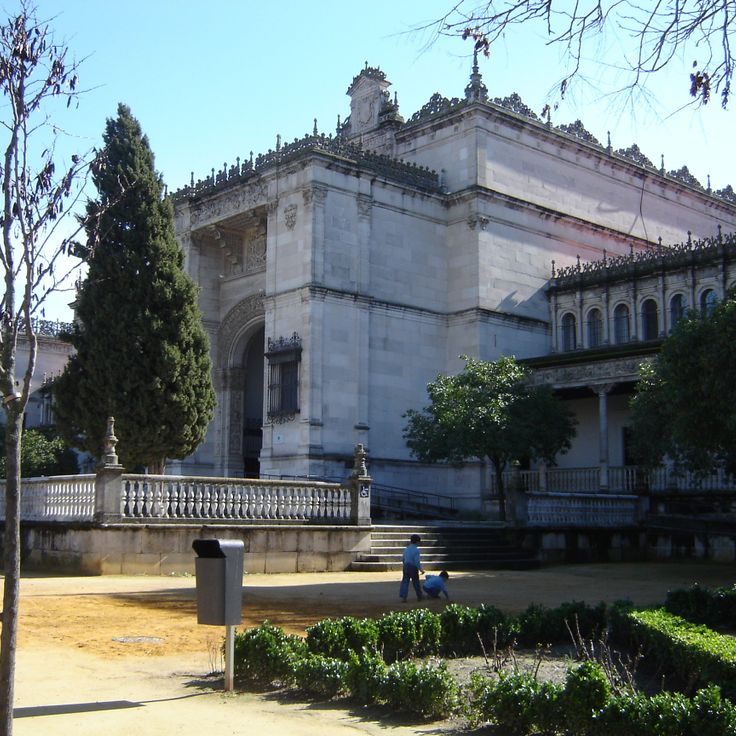
This museum holds sculptures, mosaics and objects from the Bronze Age as well as from Roman and Visigothic times in the region. The collection shows the successive cultures that settled on Andalusian soil. You see burial goods, ceramics, jewelry and coins found in the area around Seville and at other sites across Andalusia. Several rooms are devoted to Italic settlements and the trade routes that connected the Iberian Peninsula with the Mediterranean. The rooms follow a timeline that traces the evolution of local craftsmanship and the changes in daily life over the centuries.
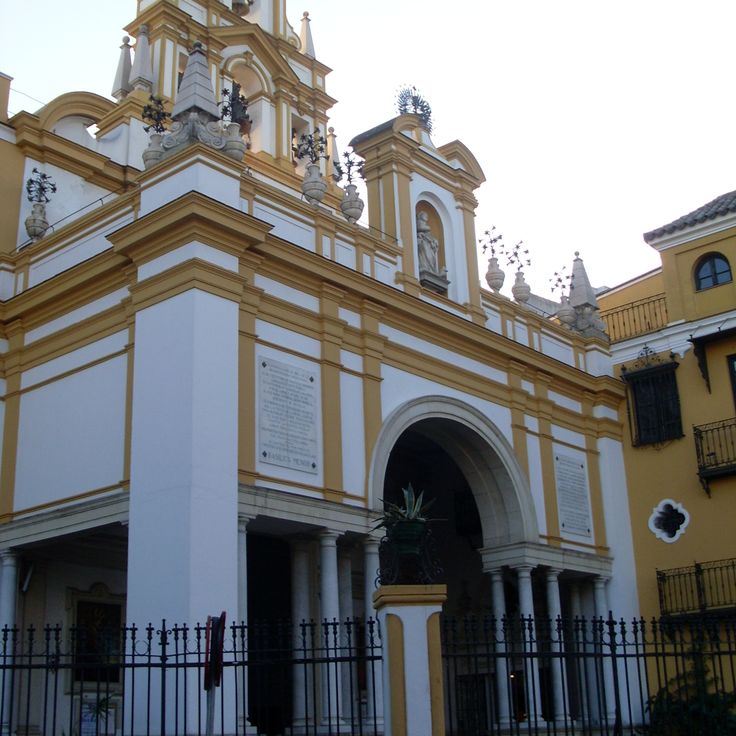
The Basilica de la Macarena was built in the 20th century in a Baroque style and houses the statue of the Esperanza Macarena, one of the most important religious figures in Seville. The church draws both worshippers and visitors who pause before the richly adorned statue of the Virgin. The architecture echoes traditional Baroque forms, while the statue itself displays changing details in its jewelry and garments throughout the year. During Holy Week, the figure is carried through the streets in processions, a moment deeply rooted in local customs. The interior is filled with candles, flowers, and votive offerings that reflect the close connection between the community and this representation of Mary.
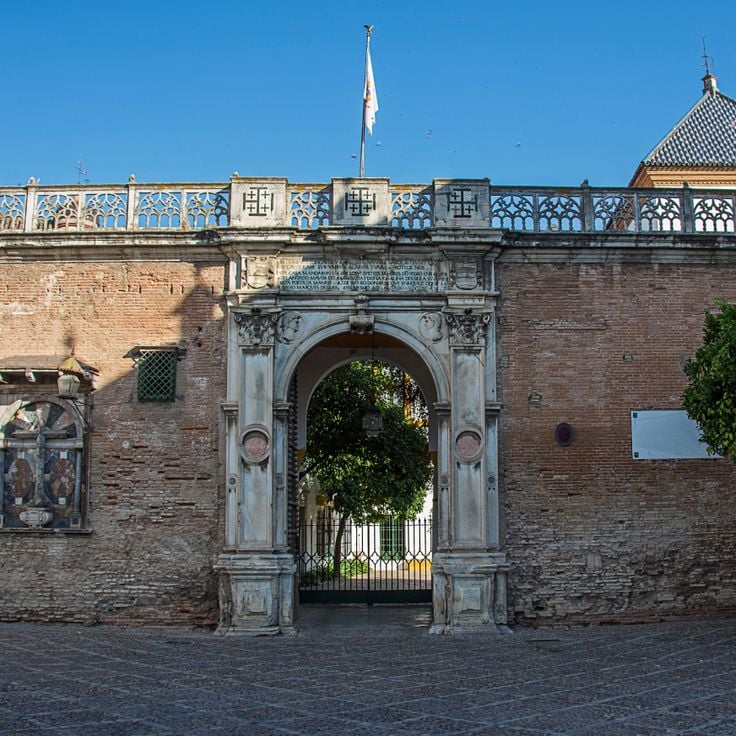
This 16th-century town palace combines elements of Moorish, Spanish, and Italian architecture. The Casa de Pilatos displays decorated tiles in geometric patterns, courtyards with columns and fountains, and gardens with orange and lemon trees. The rooms are arranged around several patios where light and shadow alternate. You find Renaissance sculptures beside Islamic arches, gilded coffered ceilings beside open loggias. The building served as the residence of noble families and is now partially open to visitors, allowing you to walk through the different floors and gardens.
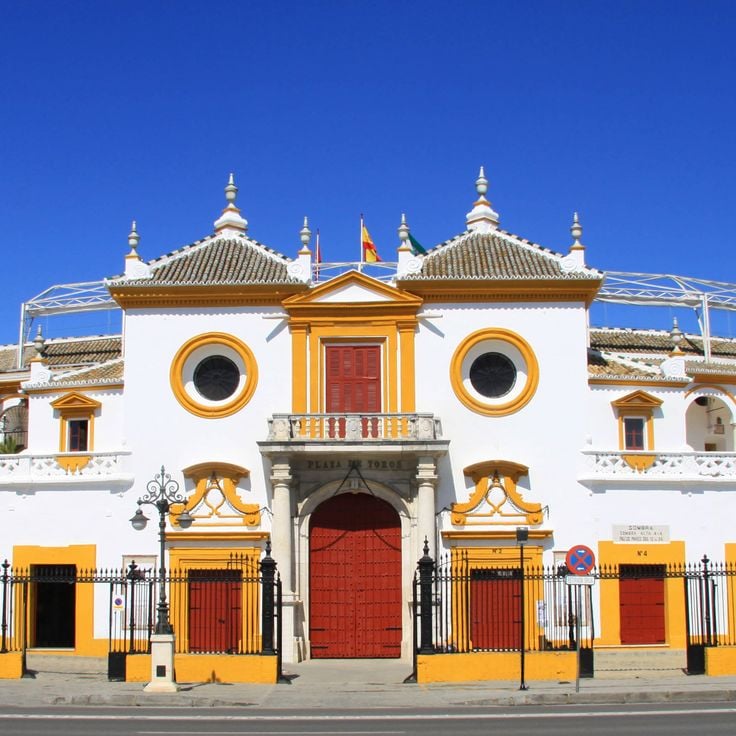
The Plaza de Toros de la Maestranza was built in the mid-18th century and stands as one of the oldest bullrings in Spain. Its oval structure of ochre stone sits near the banks of the Guadalquivir and shows the Sevillian mix of strong lines and baroque detail. Inside, the tiers rise in arches that throw shade across the seating. An attached museum collects costumes, posters, and mementos from the history of bullfighting. Visitors walk through narrow passages that lead to the stables and the chapel where toreros pray before entering the ring. From the upper rows, you can see the shining roof of the Hospital de la Caridad and the bridge crossing to Triana. The sand of the ring is raked smooth on fight days; on quiet days it lies empty under the sun.
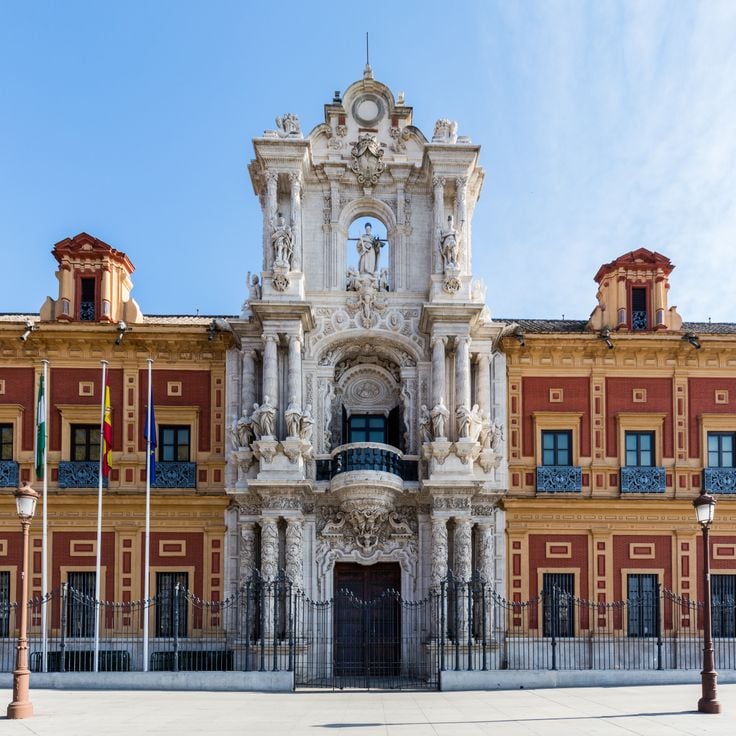
The Palacio de San Telmo was built in the 17th century as a training center for sailors and displays richly carved stonework in the Baroque style on its facade. The building sits at the edge of Parque de María Luisa and later became the residence of the Dukes of Montpensier before it was converted into the seat of the Andalusian regional government. The main facade opens onto Avenida de Roma and is notable for its elaborate central entrance, flanked by sculptures. The portal shows figures from maritime history and religious themes that recall the palace's original purpose. Today the building houses government offices, and the interior rooms are accessible only on special occasions. The gardens surrounding the palace connect with the park's green spaces and form a quiet transition between different parts of the city.
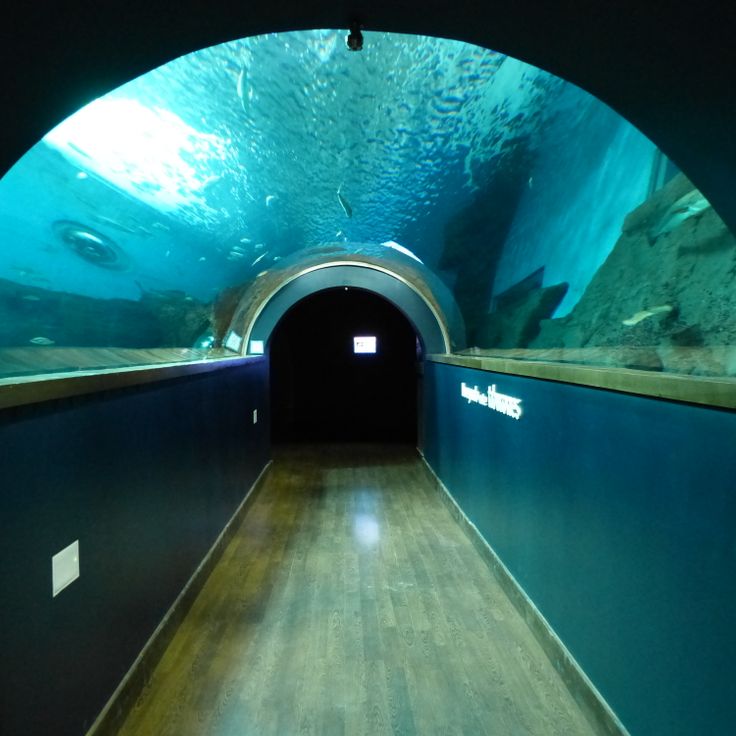
The Seville Aquarium presents marine life from the Mediterranean and the tropics. The collection is organized across 35 tanks where you can watch fish, rays and small sharks. An underwater tunnel passes through the largest tank and offers a view from below as animals swim overhead. The facility is located in the harbor, a short distance from the historic center. Besides the tanks, there are sections with explanations about the biology of the species and the role of the oceans. The building fits into the modern architecture of the harbor district.
This market occupies a 19th-century building that once served as a covered hall for the Triana neighborhood. Today you find stalls selling vegetables and fruit from the region, fresh fish from the coast, along with olives and spices from Andalusia. The iron columns and open structure recall the era when such halls were built in many Spanish cities. Visitors come in the morning when the selection is at its best, and sometimes you can sit at one of the small counters to eat tapas. The building stands right on the banks of the Guadalquivir, where potters used to have their workshops. You can still sense the connection between the market and the daily life of residents who shop and meet here.
This 17th-century hospital holds several paintings by Murillo and Valdés Leal in its chapel and halls. Both artists created works here that portray themes of life and death in a powerful way. The courtyard, with its fountain, leads to the rooms where the contemplative mood arises from the interplay of architecture and painting. The facade belongs to the ensemble of baroque buildings along the Guadalquivir, not far from the old town. The hospital remains active today, combining its charitable mission with the preservation of an important artistic heritage.
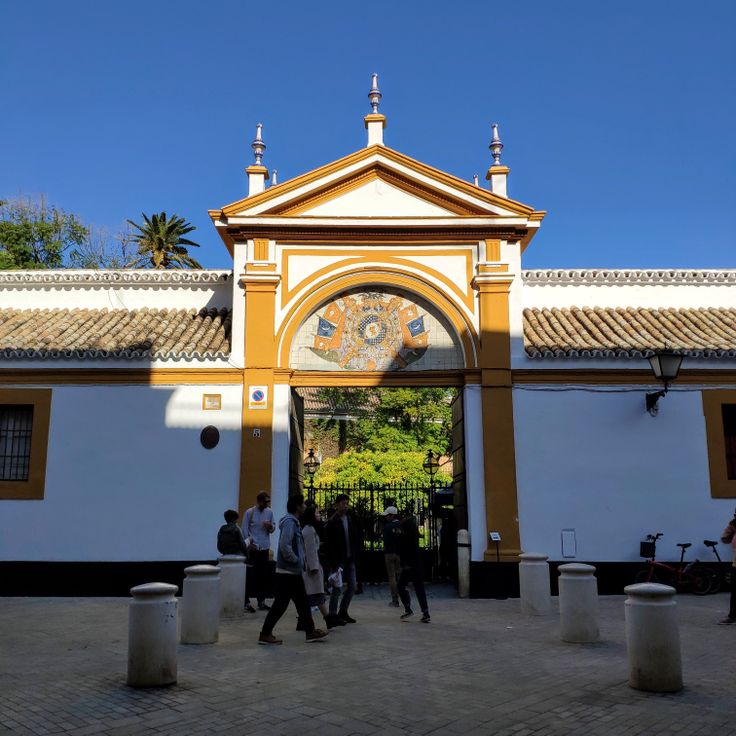
The Palace of the Duchess of Alba is one of the residences of the Alba family in Seville. Inside its rooms are paintings, sculptures and furnishings collected over the centuries. You see old carpets, carved furniture from different periods and historical manuscripts that document connections to Spanish kings and artists. The rooms are arranged as they were lived in, with heavy curtains, gilded frames and porcelain on consoles. The feeling is that of an inhabited house, not a public museum. In the library, bound volumes are stacked; in the salons, portraits of ancestors and contemporaries hang on the walls. Some documents recall travels, diplomatic missions or inheritances. The building itself shows features of various renovation phases, with courtyards, marble staircases and windows overlooking green patios.
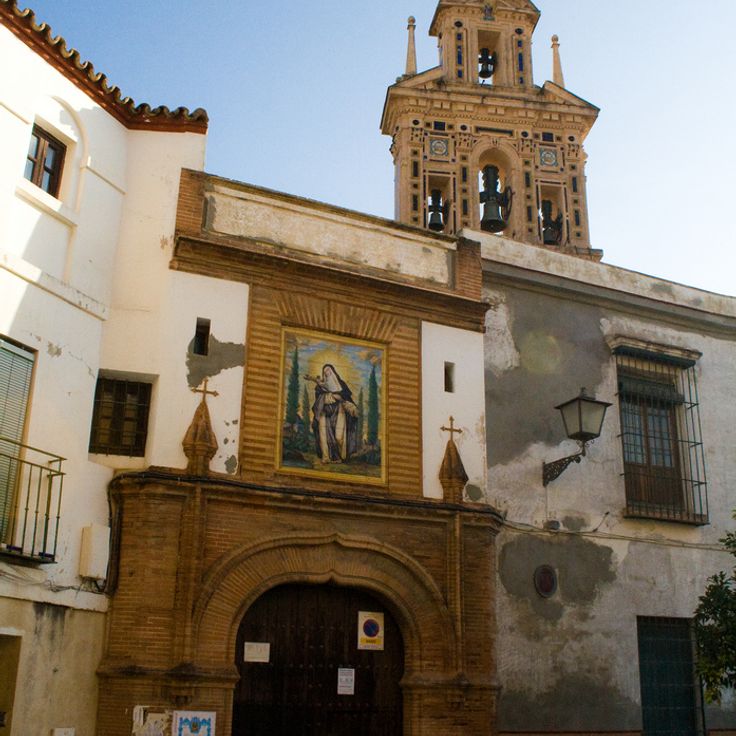
This 15th-century convent preserves religious artworks and handmade ceramics behind walls still inhabited by a monastic community. The courtyard displays azulejo tiles along its surfaces, while the church features gilded altarpieces and painted wooden ceilings. The museum holds paintings, carvings, and objects collected by the order over centuries. The nuns continue to produce jams and sweets, sold at the entrance. The site combines sacred spaces, artisan traditions, and the calm of an active monastery in the heart of the city.
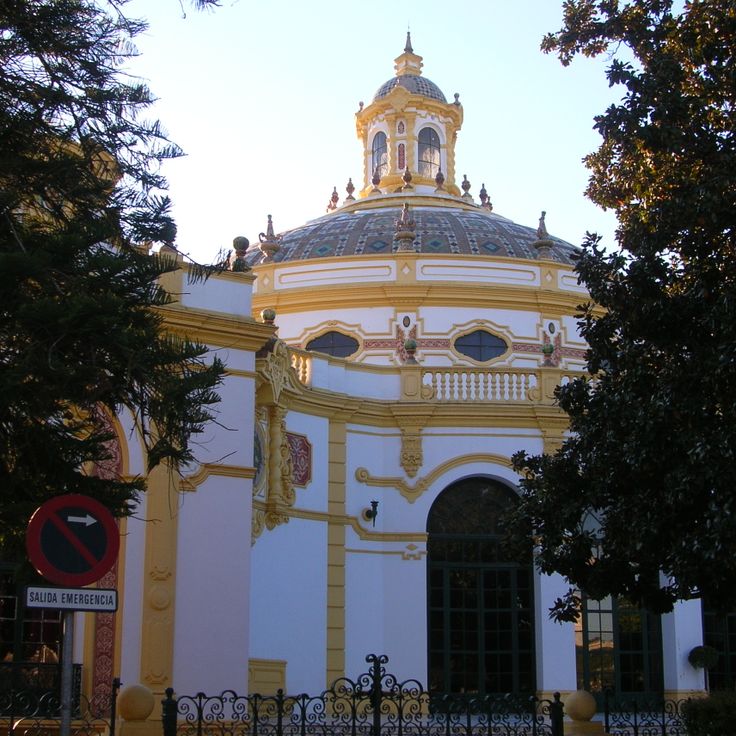
The Casino de la Exposición was built in the 1920s as a pavilion for the Ibero-American Exhibition and now displays contemporary art in its rooms. The facade combines classical elements with modernist touches, while the interior courtyards recall traditional Andalusian architecture. This building serves as a cultural center and hosts exhibitions, concerts, and events. The garden with its palms and fountains invites visitors to linger, just steps from the Parque de María Luisa.
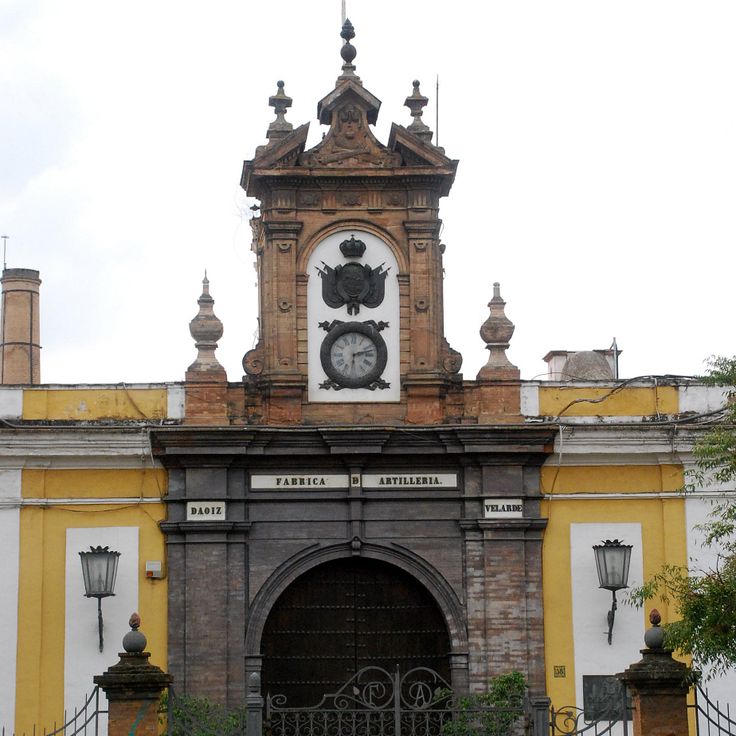
The Fabrica de Artillería was built in the 16th century to produce weapons and ammunition. The complex consists of several brick and stone buildings arranged around a large courtyard. After military use ended, the spaces were restored and now serve as a venue for exhibitions, concerts, and other cultural activities. The high ceilings and sturdy walls still recall the original function, while modern installations allow the site to meet today's needs. You often find temporary art projects and local initiatives here that bring new life to the place and turn it into a meeting point for visitors and residents.
The church of Santa Ana was built at the end of the 13th century in the Gothic style and is one of the oldest places of worship in the city. Inside, there are frescoes from the Middle Ages and carved altarpieces shaped over several centuries. The mood is calm, with light falling through narrow windows and illuminating the walls and vaults. Many residents of the neighborhood come here to light candles or simply pause for a moment. The church stands in the Triana district, the historic quarter of potters and sailors, forming a contrast to the busy streets around it.
This 19th-century house brings together Moorish elements and decorative figures in Seville's architectural mix. The facade displays several female figures with fish tails, giving the building its name. The arches and decorations recall the connection between European building traditions and Eastern forms, found along many streets in the city. The house stands in a neighborhood where residential buildings from different periods exist side by side, distinguished by their facade treatments and ornamentation.
The Monastery of La Cartuja was founded in the 15th century and served as a temporary residence for Christopher Columbus. Today, artists and exhibitions occupy the former monks' cells and cloisters, while orange trees and ceramic fountains in the courtyards recall the monastic past. The rooms connect late Gothic vaults with contemporary installations. In the garden, palms stand beside old cypresses, and paths lead through shade to the outer brick walls.
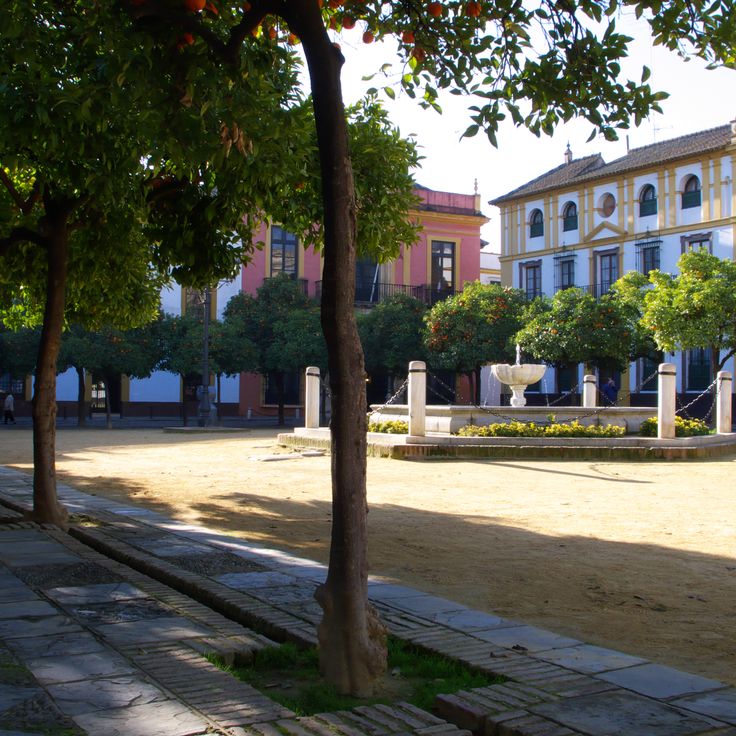
The Patio de Banderas sits right next to the Alcázar and forms a quiet square where orange trees provide shade. Stone benches invite people to rest, while traditional houses with white facades and balconies surround the space and show the architecture of old Seville. The square connects several alleys in the historic center and serves as a passage between the palace and the narrow streets of Santa Cruz. The feeling remains calm despite the nearness to the main monuments, and the arrangement of houses around the open space recalls medieval urban planning. Here old structures meet the daily use by residents and visitors looking for a pause.
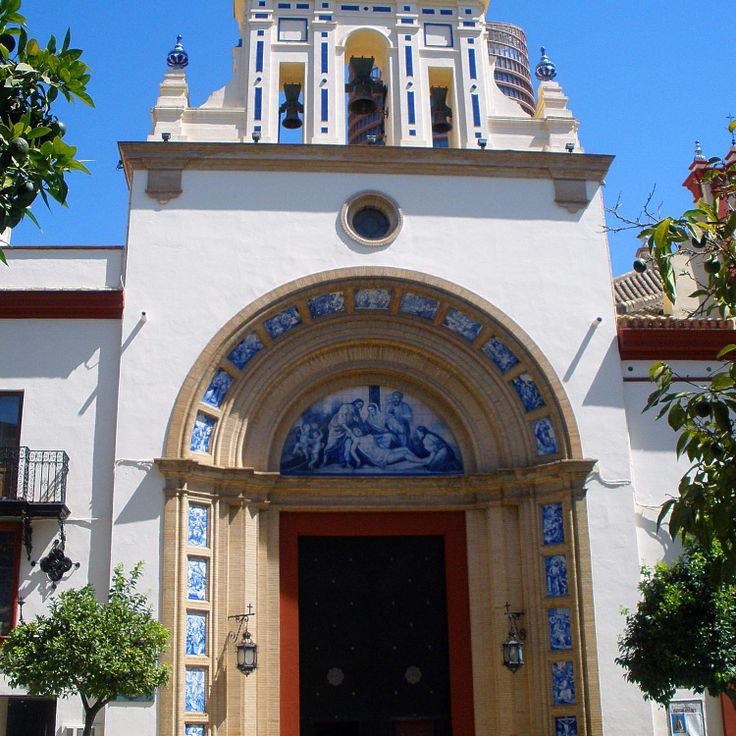
The Basilica del Cristo de la Expiración is a 17th-century baroque church that holds a carved wooden figure of Christ, carried through the narrow streets during Holy Week processions. The building shows typical baroque ornamentation on the facade and inside the side chapels, where altars gather paintings and carvings donated by local brotherhoods. You step into a dimmed space where candles and gilded frames amplify the low light. The basilica sits in a quiet neighborhood away from the tourist routes, forming part of the religious life that organizes around Holy Week in Seville.
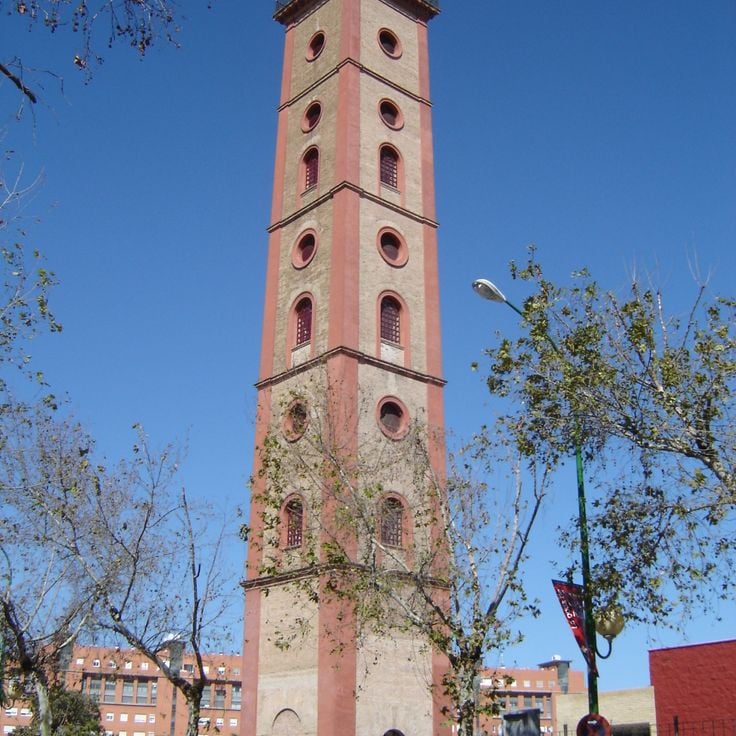
This 19th-century industrial tower was built for producing shotgun pellets and still rises about 115 feet (35 meters) above the ground. The method relied on molten lead dripping through sieves and solidifying into small spheres during the fall. The platform at the top offers a full view across rooftops, church towers, and the riverbanks of Seville. The brick facade shows the practical building style of a time when industrial facilities often stood at the city's edge. Today the tower sits within a residential area and opens occasionally for exhibitions and cultural events. From above, you see the spread of the city and how older and newer neighborhoods fit together.
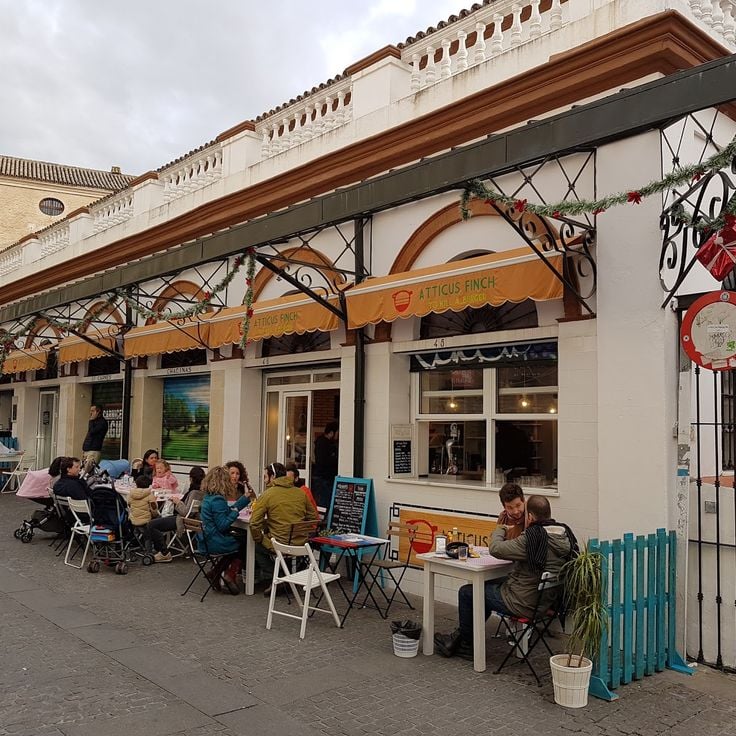
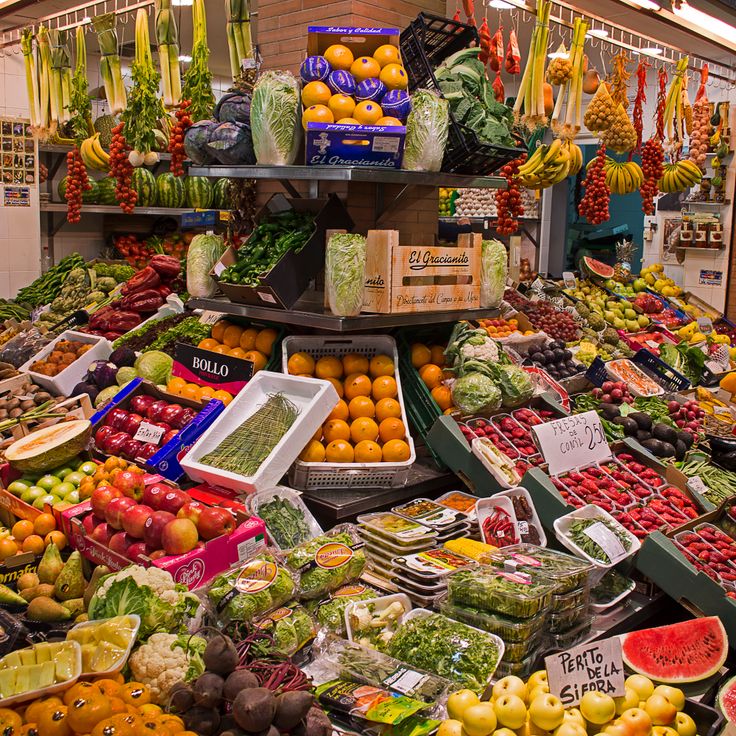
This market in the city center brings together vegetable stalls, fishmongers and restaurants grouped around covered walkways. You find fresh produce from the area and dishes prepared on the spot, with flavors and customs from Andalusian cooking. The Mercado de Feria keeps the feel of a neighborhood market where locals shop and eat at the counters.
This cathedral stands where the great mosque of Seville once rose. Parts of the older structure can be recognized in the Giralda, a tower built in the 12th century as a minaret. Later, it was extended and topped with a Christian bell chamber. The church dates from the 15th century and is among the largest Gothic religious buildings in Europe. Inside, tall vaults alternate with chapels set up by different brotherhoods. There are wooden altars, gilded carvings, and paintings from several periods. The choir and the sacristy show the transition between Gothic and Renaissance. The tomb of Christopher Columbus lies in a side chapel. From the upper level of the Giralda, rooftops, the river, and the neighboring districts spread out below. The cathedral forms the center of a group of buildings that includes the Archbishop's Palace and the Alcázar.
The Royal Alcazar of Seville is made up of several courtyards and halls whose walls are covered with ceramic tiles, carved plaster, and wooden ceilings. The building has been extended and altered over centuries, so Islamic arches and ornaments sit beside rooms in Gothic or Renaissance style. The gardens spread across multiple levels and are crossed by channels that distribute water from an old irrigation system. Orange trees, palms, and low hedges form shady paths between the pavilions. The site is still used for official receptions today and remains an example of the layers of history that overlap in Seville.
Parque de María Luisa invites you to walk beneath Mediterranean trees, among fountains and pavilions built in the early 20th century in an Andalusian style. Paths wind through palm groves and past orange trees, while ceramic benches and water basins offer moments of rest in the shade. The park lies next to Plaza de España and forms a green link between Seville's historic buildings and the banks of the Guadalquivir. Joggers, families with children, and visitors seeking quiet before or after a museum visit gather here. Vegetation shifts from manicured beds to thicker patches where ducks pause by small ponds. The pavilions show traces of Moorish ornament, though no single building takes center stage. The park feels like a garden expanded over time, with small squares and avenues opening in different directions.
The Hospital de los Venerables was built in the 17th century and served as a residence for elderly priests. Inside, the rectangular courtyard with its fountain shows the design of religious houses from the period. The chapel preserves frescoes by Juan de Valdés Leal depicting scenes from the lives of the apostles. The space is decorated with gilded altarpieces and carved woodwork reflecting Seville's baroque style. Today the building houses the collection of the Focus-Abengoa Foundation, with paintings by Velázquez and other artists from the Golden Age. You walk through a place that is both quiet architecture and living art history.
The Plaza de España was built in the 1920s for the Ibero-American Exposition and presents a large semicircular plaza surrounded by a building of brick and glazed ceramic. Along the façade, alcoves decorated with colored tiles represent the Spanish provinces. In front of the building, a canal runs through the space, crossed by small bridges. Visitors can sit on the benches inside the alcoves, walk along the water, or take rowboats on the canal. The plaza forms part of María Luisa Park and blends the landscape with the architecture of the period.
The Metropol Parasol was built in 2011 on Plaza de la Encarnación and consists of six interconnected wooden structures extending roughly 150 meters (490 feet) in length. The undulating canopies rest on concrete columns and provide shade over the square, where a market and an underground museum are located. Staircases and elevators lead to the upper levels, offering views over the rooftops of the old town toward the cathedral and the river. The laminated timber cladding forms a lattice that creates shifting patterns of light and shadow throughout the day. The structure stands in the middle of a historic district and contrasts with the surrounding baroque and Gothic facades through its contemporary forms.
The Fine Arts Museum occupies a former Mercedarian monastery, a building with courtyards, galleries, and chapels dating from the 17th century. The rooms hold paintings, sculptures, and ceramics from the medieval period through the 20th century, including works by Murillo, Zurbarán, and Valdés Leal. The collection focuses on art from Andalusia and traces the religious and secular painting of the region. The former convent spaces provide the setting for altarpieces, processional statues, and still lifes. The museum opened in 1839 and counts among the oldest public art collections in Spain. On the ground floor, galleries open onto courtyards with orange trees, while upper halls house larger canvases and wall paintings. Here you can follow how themes, light, and colors shifted in Spanish painting across the centuries.
This twelve-sided watchtower was built in the early 13th century to monitor the passage of ships on the Guadalquivir River. Its location by the riverbank made it a key point for controlling trade routes toward the Atlantic. The name refers to the golden tiles that once covered the facade and reflected the sunlight. Today, the Torre del Oro houses a small collection on maritime history, displaying models, navigation instruments, and maps from different centuries. From the upper floor, you can see the river and the opposite banks, where boats and ferries still operate.
The Santa Cruz quarter shows the medieval heritage of the city through its white houses and narrow lanes. Orange trees grow between the walls, their scent mixing with that of flowers in small courtyards. Squares open suddenly between the tight paths, offering fountains and shaded seating. Windows with wrought-iron grilles, tiled facades, and low arches define the architecture. The Jewish community once lived here, and today the paths lead to restaurants, workshops, and homes where daily life continues.
The Triana Bridge connects the center of Seville to the neighborhood of potters and sailors across the Guadalquivir River. It was built in the 19th century using iron and remains an important crossing for pedestrians and vehicles. From here you can watch the river that shaped the local economy for centuries and see the low houses of Triana stretching along the waterfront. The view reaches downstream to the Torre del Oro and to the historic neighborhoods on the other side.
The museum displays costumes, instruments and documents tracing the development of Andalusian dance since the 18th century. Visitors to this building in the historic center follow the path of this art form from its origins to contemporary interpretations through photographs, posters and objects that reveal the daily life of performers and the evolution of staging.
This museum holds sculptures, mosaics and objects from the Bronze Age as well as from Roman and Visigothic times in the region. The collection shows the successive cultures that settled on Andalusian soil. You see burial goods, ceramics, jewelry and coins found in the area around Seville and at other sites across Andalusia. Several rooms are devoted to Italic settlements and the trade routes that connected the Iberian Peninsula with the Mediterranean. The rooms follow a timeline that traces the evolution of local craftsmanship and the changes in daily life over the centuries.
The Basilica de la Macarena was built in the 20th century in a Baroque style and houses the statue of the Esperanza Macarena, one of the most important religious figures in Seville. The church draws both worshippers and visitors who pause before the richly adorned statue of the Virgin. The architecture echoes traditional Baroque forms, while the statue itself displays changing details in its jewelry and garments throughout the year. During Holy Week, the figure is carried through the streets in processions, a moment deeply rooted in local customs. The interior is filled with candles, flowers, and votive offerings that reflect the close connection between the community and this representation of Mary.
This 16th-century town palace combines elements of Moorish, Spanish, and Italian architecture. The Casa de Pilatos displays decorated tiles in geometric patterns, courtyards with columns and fountains, and gardens with orange and lemon trees. The rooms are arranged around several patios where light and shadow alternate. You find Renaissance sculptures beside Islamic arches, gilded coffered ceilings beside open loggias. The building served as the residence of noble families and is now partially open to visitors, allowing you to walk through the different floors and gardens.
The Plaza de Toros de la Maestranza was built in the mid-18th century and stands as one of the oldest bullrings in Spain. Its oval structure of ochre stone sits near the banks of the Guadalquivir and shows the Sevillian mix of strong lines and baroque detail. Inside, the tiers rise in arches that throw shade across the seating. An attached museum collects costumes, posters, and mementos from the history of bullfighting. Visitors walk through narrow passages that lead to the stables and the chapel where toreros pray before entering the ring. From the upper rows, you can see the shining roof of the Hospital de la Caridad and the bridge crossing to Triana. The sand of the ring is raked smooth on fight days; on quiet days it lies empty under the sun.
The Palacio de San Telmo was built in the 17th century as a training center for sailors and displays richly carved stonework in the Baroque style on its facade. The building sits at the edge of Parque de María Luisa and later became the residence of the Dukes of Montpensier before it was converted into the seat of the Andalusian regional government. The main facade opens onto Avenida de Roma and is notable for its elaborate central entrance, flanked by sculptures. The portal shows figures from maritime history and religious themes that recall the palace's original purpose. Today the building houses government offices, and the interior rooms are accessible only on special occasions. The gardens surrounding the palace connect with the park's green spaces and form a quiet transition between different parts of the city.
The Seville Aquarium presents marine life from the Mediterranean and the tropics. The collection is organized across 35 tanks where you can watch fish, rays and small sharks. An underwater tunnel passes through the largest tank and offers a view from below as animals swim overhead. The facility is located in the harbor, a short distance from the historic center. Besides the tanks, there are sections with explanations about the biology of the species and the role of the oceans. The building fits into the modern architecture of the harbor district.
This market occupies a 19th-century building that once served as a covered hall for the Triana neighborhood. Today you find stalls selling vegetables and fruit from the region, fresh fish from the coast, along with olives and spices from Andalusia. The iron columns and open structure recall the era when such halls were built in many Spanish cities. Visitors come in the morning when the selection is at its best, and sometimes you can sit at one of the small counters to eat tapas. The building stands right on the banks of the Guadalquivir, where potters used to have their workshops. You can still sense the connection between the market and the daily life of residents who shop and meet here.
This 17th-century hospital holds several paintings by Murillo and Valdés Leal in its chapel and halls. Both artists created works here that portray themes of life and death in a powerful way. The courtyard, with its fountain, leads to the rooms where the contemplative mood arises from the interplay of architecture and painting. The facade belongs to the ensemble of baroque buildings along the Guadalquivir, not far from the old town. The hospital remains active today, combining its charitable mission with the preservation of an important artistic heritage.
The Palace of the Duchess of Alba is one of the residences of the Alba family in Seville. Inside its rooms are paintings, sculptures and furnishings collected over the centuries. You see old carpets, carved furniture from different periods and historical manuscripts that document connections to Spanish kings and artists. The rooms are arranged as they were lived in, with heavy curtains, gilded frames and porcelain on consoles. The feeling is that of an inhabited house, not a public museum. In the library, bound volumes are stacked; in the salons, portraits of ancestors and contemporaries hang on the walls. Some documents recall travels, diplomatic missions or inheritances. The building itself shows features of various renovation phases, with courtyards, marble staircases and windows overlooking green patios.
This 15th-century convent preserves religious artworks and handmade ceramics behind walls still inhabited by a monastic community. The courtyard displays azulejo tiles along its surfaces, while the church features gilded altarpieces and painted wooden ceilings. The museum holds paintings, carvings, and objects collected by the order over centuries. The nuns continue to produce jams and sweets, sold at the entrance. The site combines sacred spaces, artisan traditions, and the calm of an active monastery in the heart of the city.
The Casino de la Exposición was built in the 1920s as a pavilion for the Ibero-American Exhibition and now displays contemporary art in its rooms. The facade combines classical elements with modernist touches, while the interior courtyards recall traditional Andalusian architecture. This building serves as a cultural center and hosts exhibitions, concerts, and events. The garden with its palms and fountains invites visitors to linger, just steps from the Parque de María Luisa.
The Fabrica de Artillería was built in the 16th century to produce weapons and ammunition. The complex consists of several brick and stone buildings arranged around a large courtyard. After military use ended, the spaces were restored and now serve as a venue for exhibitions, concerts, and other cultural activities. The high ceilings and sturdy walls still recall the original function, while modern installations allow the site to meet today's needs. You often find temporary art projects and local initiatives here that bring new life to the place and turn it into a meeting point for visitors and residents.
The church of Santa Ana was built at the end of the 13th century in the Gothic style and is one of the oldest places of worship in the city. Inside, there are frescoes from the Middle Ages and carved altarpieces shaped over several centuries. The mood is calm, with light falling through narrow windows and illuminating the walls and vaults. Many residents of the neighborhood come here to light candles or simply pause for a moment. The church stands in the Triana district, the historic quarter of potters and sailors, forming a contrast to the busy streets around it.
This 19th-century house brings together Moorish elements and decorative figures in Seville's architectural mix. The facade displays several female figures with fish tails, giving the building its name. The arches and decorations recall the connection between European building traditions and Eastern forms, found along many streets in the city. The house stands in a neighborhood where residential buildings from different periods exist side by side, distinguished by their facade treatments and ornamentation.
The Monastery of La Cartuja was founded in the 15th century and served as a temporary residence for Christopher Columbus. Today, artists and exhibitions occupy the former monks' cells and cloisters, while orange trees and ceramic fountains in the courtyards recall the monastic past. The rooms connect late Gothic vaults with contemporary installations. In the garden, palms stand beside old cypresses, and paths lead through shade to the outer brick walls.
The Patio de Banderas sits right next to the Alcázar and forms a quiet square where orange trees provide shade. Stone benches invite people to rest, while traditional houses with white facades and balconies surround the space and show the architecture of old Seville. The square connects several alleys in the historic center and serves as a passage between the palace and the narrow streets of Santa Cruz. The feeling remains calm despite the nearness to the main monuments, and the arrangement of houses around the open space recalls medieval urban planning. Here old structures meet the daily use by residents and visitors looking for a pause.
The Basilica del Cristo de la Expiración is a 17th-century baroque church that holds a carved wooden figure of Christ, carried through the narrow streets during Holy Week processions. The building shows typical baroque ornamentation on the facade and inside the side chapels, where altars gather paintings and carvings donated by local brotherhoods. You step into a dimmed space where candles and gilded frames amplify the low light. The basilica sits in a quiet neighborhood away from the tourist routes, forming part of the religious life that organizes around Holy Week in Seville.
This 19th-century industrial tower was built for producing shotgun pellets and still rises about 115 feet (35 meters) above the ground. The method relied on molten lead dripping through sieves and solidifying into small spheres during the fall. The platform at the top offers a full view across rooftops, church towers, and the riverbanks of Seville. The brick facade shows the practical building style of a time when industrial facilities often stood at the city's edge. Today the tower sits within a residential area and opens occasionally for exhibitions and cultural events. From above, you see the spread of the city and how older and newer neighborhoods fit together.
This market in the city center brings together vegetable stalls, fishmongers and restaurants grouped around covered walkways. You find fresh produce from the area and dishes prepared on the spot, with flavors and customs from Andalusian cooking. The Mercado de Feria keeps the feel of a neighborhood market where locals shop and eat at the counters.
This cathedral stands where the great mosque of Seville once rose. Parts of the older structure can be recognized in the Giralda, a tower built in the 12th century as a minaret. Later, it was extended and topped with a Christian bell chamber. The church dates from the 15th century and is among the largest Gothic religious buildings in Europe. Inside, tall vaults alternate with chapels set up by different brotherhoods. There are wooden altars, gilded carvings, and paintings from several periods. The choir and the sacristy show the transition between Gothic and Renaissance. The tomb of Christopher Columbus lies in a side chapel. From the upper level of the Giralda, rooftops, the river, and the neighboring districts spread out below. The cathedral forms the center of a group of buildings that includes the Archbishop's Palace and the Alcázar.
The Royal Alcazar of Seville is made up of several courtyards and halls whose walls are covered with ceramic tiles, carved plaster, and wooden ceilings. The building has been extended and altered over centuries, so Islamic arches and ornaments sit beside rooms in Gothic or Renaissance style. The gardens spread across multiple levels and are crossed by channels that distribute water from an old irrigation system. Orange trees, palms, and low hedges form shady paths between the pavilions. The site is still used for official receptions today and remains an example of the layers of history that overlap in Seville.
Parque de María Luisa invites you to walk beneath Mediterranean trees, among fountains and pavilions built in the early 20th century in an Andalusian style. Paths wind through palm groves and past orange trees, while ceramic benches and water basins offer moments of rest in the shade. The park lies next to Plaza de España and forms a green link between Seville's historic buildings and the banks of the Guadalquivir. Joggers, families with children, and visitors seeking quiet before or after a museum visit gather here. Vegetation shifts from manicured beds to thicker patches where ducks pause by small ponds. The pavilions show traces of Moorish ornament, though no single building takes center stage. The park feels like a garden expanded over time, with small squares and avenues opening in different directions.
The Hospital de los Venerables was built in the 17th century and served as a residence for elderly priests. Inside, the rectangular courtyard with its fountain shows the design of religious houses from the period. The chapel preserves frescoes by Juan de Valdés Leal depicting scenes from the lives of the apostles. The space is decorated with gilded altarpieces and carved woodwork reflecting Seville's baroque style. Today the building houses the collection of the Focus-Abengoa Foundation, with paintings by Velázquez and other artists from the Golden Age. You walk through a place that is both quiet architecture and living art history.
The Plaza de España was built in the 1920s for the Ibero-American Exposition and presents a large semicircular plaza surrounded by a building of brick and glazed ceramic. Along the façade, alcoves decorated with colored tiles represent the Spanish provinces. In front of the building, a canal runs through the space, crossed by small bridges. Visitors can sit on the benches inside the alcoves, walk along the water, or take rowboats on the canal. The plaza forms part of María Luisa Park and blends the landscape with the architecture of the period.
The Metropol Parasol was built in 2011 on Plaza de la Encarnación and consists of six interconnected wooden structures extending roughly 150 meters (490 feet) in length. The undulating canopies rest on concrete columns and provide shade over the square, where a market and an underground museum are located. Staircases and elevators lead to the upper levels, offering views over the rooftops of the old town toward the cathedral and the river. The laminated timber cladding forms a lattice that creates shifting patterns of light and shadow throughout the day. The structure stands in the middle of a historic district and contrasts with the surrounding baroque and Gothic facades through its contemporary forms.
The Fine Arts Museum occupies a former Mercedarian monastery, a building with courtyards, galleries, and chapels dating from the 17th century. The rooms hold paintings, sculptures, and ceramics from the medieval period through the 20th century, including works by Murillo, Zurbarán, and Valdés Leal. The collection focuses on art from Andalusia and traces the religious and secular painting of the region. The former convent spaces provide the setting for altarpieces, processional statues, and still lifes. The museum opened in 1839 and counts among the oldest public art collections in Spain. On the ground floor, galleries open onto courtyards with orange trees, while upper halls house larger canvases and wall paintings. Here you can follow how themes, light, and colors shifted in Spanish painting across the centuries.
This twelve-sided watchtower was built in the early 13th century to monitor the passage of ships on the Guadalquivir River. Its location by the riverbank made it a key point for controlling trade routes toward the Atlantic. The name refers to the golden tiles that once covered the facade and reflected the sunlight. Today, the Torre del Oro houses a small collection on maritime history, displaying models, navigation instruments, and maps from different centuries. From the upper floor, you can see the river and the opposite banks, where boats and ferries still operate.
The Santa Cruz quarter shows the medieval heritage of the city through its white houses and narrow lanes. Orange trees grow between the walls, their scent mixing with that of flowers in small courtyards. Squares open suddenly between the tight paths, offering fountains and shaded seating. Windows with wrought-iron grilles, tiled facades, and low arches define the architecture. The Jewish community once lived here, and today the paths lead to restaurants, workshops, and homes where daily life continues.
The Triana Bridge connects the center of Seville to the neighborhood of potters and sailors across the Guadalquivir River. It was built in the 19th century using iron and remains an important crossing for pedestrians and vehicles. From here you can watch the river that shaped the local economy for centuries and see the low houses of Triana stretching along the waterfront. The view reaches downstream to the Torre del Oro and to the historic neighborhoods on the other side.
The museum displays costumes, instruments and documents tracing the development of Andalusian dance since the 18th century. Visitors to this building in the historic center follow the path of this art form from its origins to contemporary interpretations through photographs, posters and objects that reveal the daily life of performers and the evolution of staging.
This museum holds sculptures, mosaics and objects from the Bronze Age as well as from Roman and Visigothic times in the region. The collection shows the successive cultures that settled on Andalusian soil. You see burial goods, ceramics, jewelry and coins found in the area around Seville and at other sites across Andalusia. Several rooms are devoted to Italic settlements and the trade routes that connected the Iberian Peninsula with the Mediterranean. The rooms follow a timeline that traces the evolution of local craftsmanship and the changes in daily life over the centuries.
The Basilica de la Macarena was built in the 20th century in a Baroque style and houses the statue of the Esperanza Macarena, one of the most important religious figures in Seville. The church draws both worshippers and visitors who pause before the richly adorned statue of the Virgin. The architecture echoes traditional Baroque forms, while the statue itself displays changing details in its jewelry and garments throughout the year. During Holy Week, the figure is carried through the streets in processions, a moment deeply rooted in local customs. The interior is filled with candles, flowers, and votive offerings that reflect the close connection between the community and this representation of Mary.
This 16th-century town palace combines elements of Moorish, Spanish, and Italian architecture. The Casa de Pilatos displays decorated tiles in geometric patterns, courtyards with columns and fountains, and gardens with orange and lemon trees. The rooms are arranged around several patios where light and shadow alternate. You find Renaissance sculptures beside Islamic arches, gilded coffered ceilings beside open loggias. The building served as the residence of noble families and is now partially open to visitors, allowing you to walk through the different floors and gardens.
The Plaza de Toros de la Maestranza was built in the mid-18th century and stands as one of the oldest bullrings in Spain. Its oval structure of ochre stone sits near the banks of the Guadalquivir and shows the Sevillian mix of strong lines and baroque detail. Inside, the tiers rise in arches that throw shade across the seating. An attached museum collects costumes, posters, and mementos from the history of bullfighting. Visitors walk through narrow passages that lead to the stables and the chapel where toreros pray before entering the ring. From the upper rows, you can see the shining roof of the Hospital de la Caridad and the bridge crossing to Triana. The sand of the ring is raked smooth on fight days; on quiet days it lies empty under the sun.
The Palacio de San Telmo was built in the 17th century as a training center for sailors and displays richly carved stonework in the Baroque style on its facade. The building sits at the edge of Parque de María Luisa and later became the residence of the Dukes of Montpensier before it was converted into the seat of the Andalusian regional government. The main facade opens onto Avenida de Roma and is notable for its elaborate central entrance, flanked by sculptures. The portal shows figures from maritime history and religious themes that recall the palace's original purpose. Today the building houses government offices, and the interior rooms are accessible only on special occasions. The gardens surrounding the palace connect with the park's green spaces and form a quiet transition between different parts of the city.
The Seville Aquarium presents marine life from the Mediterranean and the tropics. The collection is organized across 35 tanks where you can watch fish, rays and small sharks. An underwater tunnel passes through the largest tank and offers a view from below as animals swim overhead. The facility is located in the harbor, a short distance from the historic center. Besides the tanks, there are sections with explanations about the biology of the species and the role of the oceans. The building fits into the modern architecture of the harbor district.
This market occupies a 19th-century building that once served as a covered hall for the Triana neighborhood. Today you find stalls selling vegetables and fruit from the region, fresh fish from the coast, along with olives and spices from Andalusia. The iron columns and open structure recall the era when such halls were built in many Spanish cities. Visitors come in the morning when the selection is at its best, and sometimes you can sit at one of the small counters to eat tapas. The building stands right on the banks of the Guadalquivir, where potters used to have their workshops. You can still sense the connection between the market and the daily life of residents who shop and meet here.
This 17th-century hospital holds several paintings by Murillo and Valdés Leal in its chapel and halls. Both artists created works here that portray themes of life and death in a powerful way. The courtyard, with its fountain, leads to the rooms where the contemplative mood arises from the interplay of architecture and painting. The facade belongs to the ensemble of baroque buildings along the Guadalquivir, not far from the old town. The hospital remains active today, combining its charitable mission with the preservation of an important artistic heritage.
The Palace of the Duchess of Alba is one of the residences of the Alba family in Seville. Inside its rooms are paintings, sculptures and furnishings collected over the centuries. You see old carpets, carved furniture from different periods and historical manuscripts that document connections to Spanish kings and artists. The rooms are arranged as they were lived in, with heavy curtains, gilded frames and porcelain on consoles. The feeling is that of an inhabited house, not a public museum. In the library, bound volumes are stacked; in the salons, portraits of ancestors and contemporaries hang on the walls. Some documents recall travels, diplomatic missions or inheritances. The building itself shows features of various renovation phases, with courtyards, marble staircases and windows overlooking green patios.
This 15th-century convent preserves religious artworks and handmade ceramics behind walls still inhabited by a monastic community. The courtyard displays azulejo tiles along its surfaces, while the church features gilded altarpieces and painted wooden ceilings. The museum holds paintings, carvings, and objects collected by the order over centuries. The nuns continue to produce jams and sweets, sold at the entrance. The site combines sacred spaces, artisan traditions, and the calm of an active monastery in the heart of the city.
The Casino de la Exposición was built in the 1920s as a pavilion for the Ibero-American Exhibition and now displays contemporary art in its rooms. The facade combines classical elements with modernist touches, while the interior courtyards recall traditional Andalusian architecture. This building serves as a cultural center and hosts exhibitions, concerts, and events. The garden with its palms and fountains invites visitors to linger, just steps from the Parque de María Luisa.
The Fabrica de Artillería was built in the 16th century to produce weapons and ammunition. The complex consists of several brick and stone buildings arranged around a large courtyard. After military use ended, the spaces were restored and now serve as a venue for exhibitions, concerts, and other cultural activities. The high ceilings and sturdy walls still recall the original function, while modern installations allow the site to meet today's needs. You often find temporary art projects and local initiatives here that bring new life to the place and turn it into a meeting point for visitors and residents.
The church of Santa Ana was built at the end of the 13th century in the Gothic style and is one of the oldest places of worship in the city. Inside, there are frescoes from the Middle Ages and carved altarpieces shaped over several centuries. The mood is calm, with light falling through narrow windows and illuminating the walls and vaults. Many residents of the neighborhood come here to light candles or simply pause for a moment. The church stands in the Triana district, the historic quarter of potters and sailors, forming a contrast to the busy streets around it.
This 19th-century house brings together Moorish elements and decorative figures in Seville's architectural mix. The facade displays several female figures with fish tails, giving the building its name. The arches and decorations recall the connection between European building traditions and Eastern forms, found along many streets in the city. The house stands in a neighborhood where residential buildings from different periods exist side by side, distinguished by their facade treatments and ornamentation.
The Monastery of La Cartuja was founded in the 15th century and served as a temporary residence for Christopher Columbus. Today, artists and exhibitions occupy the former monks' cells and cloisters, while orange trees and ceramic fountains in the courtyards recall the monastic past. The rooms connect late Gothic vaults with contemporary installations. In the garden, palms stand beside old cypresses, and paths lead through shade to the outer brick walls.
The Patio de Banderas sits right next to the Alcázar and forms a quiet square where orange trees provide shade. Stone benches invite people to rest, while traditional houses with white facades and balconies surround the space and show the architecture of old Seville. The square connects several alleys in the historic center and serves as a passage between the palace and the narrow streets of Santa Cruz. The feeling remains calm despite the nearness to the main monuments, and the arrangement of houses around the open space recalls medieval urban planning. Here old structures meet the daily use by residents and visitors looking for a pause.
The Basilica del Cristo de la Expiración is a 17th-century baroque church that holds a carved wooden figure of Christ, carried through the narrow streets during Holy Week processions. The building shows typical baroque ornamentation on the facade and inside the side chapels, where altars gather paintings and carvings donated by local brotherhoods. You step into a dimmed space where candles and gilded frames amplify the low light. The basilica sits in a quiet neighborhood away from the tourist routes, forming part of the religious life that organizes around Holy Week in Seville.
This 19th-century industrial tower was built for producing shotgun pellets and still rises about 115 feet (35 meters) above the ground. The method relied on molten lead dripping through sieves and solidifying into small spheres during the fall. The platform at the top offers a full view across rooftops, church towers, and the riverbanks of Seville. The brick facade shows the practical building style of a time when industrial facilities often stood at the city's edge. Today the tower sits within a residential area and opens occasionally for exhibitions and cultural events. From above, you see the spread of the city and how older and newer neighborhoods fit together.
This market in the city center brings together vegetable stalls, fishmongers and restaurants grouped around covered walkways. You find fresh produce from the area and dishes prepared on the spot, with flavors and customs from Andalusian cooking. The Mercado de Feria keeps the feel of a neighborhood market where locals shop and eat at the counters.