Archeological Museum of Seville, Archaeological museum in Plaza de América, Seville, Spain
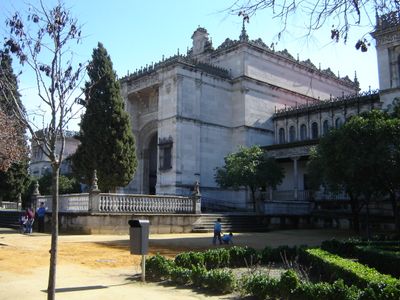
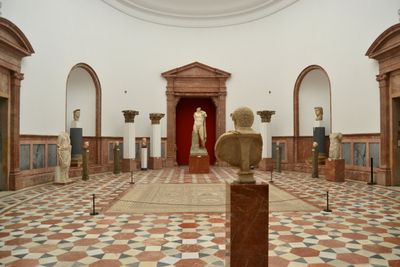
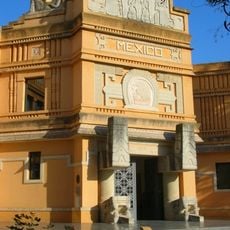
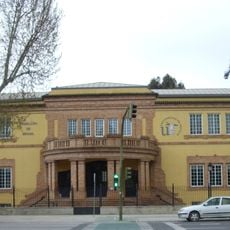
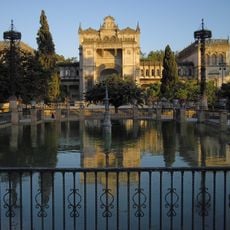
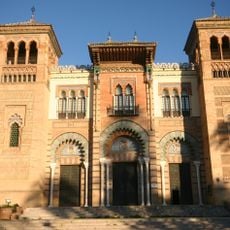
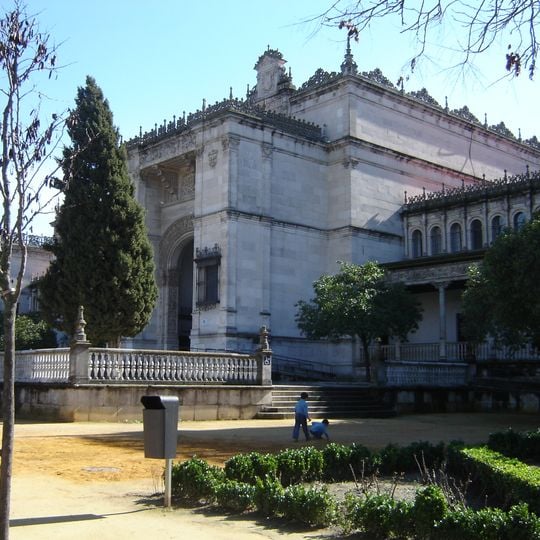
The Archaeological Museum of Seville is an archaeological museum at Plaza de América displaying finds from prehistoric times through the Islamic period in Seville province. The exhibits are arranged across three floors and present objects from Roman, Visigothic, and Islamic eras.
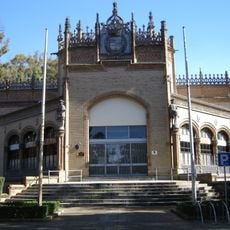
The museum was founded in 1879 and later moved to its current building, which Aníbal González designed for the Ibero-American Exposition of 1929 in Seville. The structure reflects the architecture of that era and was part of a major international exhibition project.
The collection shows artworks and objects from various periods of Andalusian history, including Roman statues from Italica and the El Carambolo treasure. These items help visitors understand the different cultures that lived in this region over time.
The museum is located in María Luisa Park and is easy to reach on foot. The spaces are fully accessible for wheelchair users, and the exhibition spreads across several levels with clear signage.
The basement of the museum contains ten rooms dedicated exclusively to material from prehistoric societies, offering a rare chance to view very ancient finds. These underground spaces are often less visited than the upper floors, yet they house some of the oldest objects in the collection.
The community of curious travelers
AroundUs brings together thousands of curated places, local tips, and hidden gems, enriched daily by 60,000 contributors worldwide.