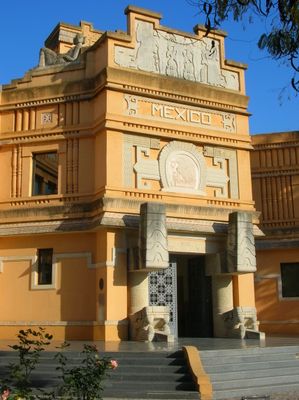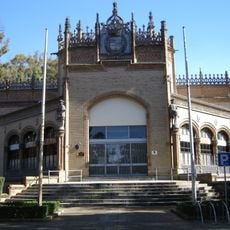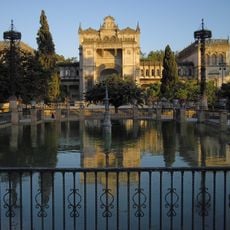
Pabellón de México para la Exposición Iberoamericana de 1929, Mexican exhibition building from 1929 in Parque María Luisa, Spain
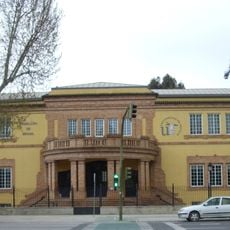
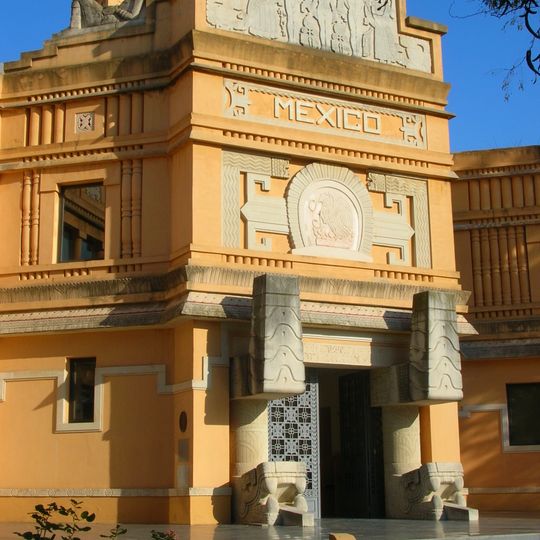
The Pabellón de México is a two-story structure within Parque María Luisa that draws its form from Chichén Itzá and other mesoamerican architectural styles. It combines classical European building techniques with decorative elements rooted in Puuc traditions, creating a fusion of two different design approaches.
Construction took place between 1927 and 1929 following Mexico's acceptance of Spain's invitation to participate in the Ibero-American Exposition. Architect Manuel María Amábilis Domínguez directed the project, resulting in a landmark that represented cultural cooperation between the two nations.
The walls bear inscriptions reflecting the relationship between Spain and Mexico that visitors encounter as they move through the rooms. The exterior displays Maya and Toltec motifs through carved sculptures and relief work that speak to the building's mesoamerican roots.
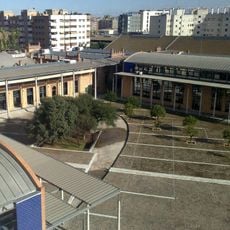
The building currently serves as a branch of the University of Seville and has limited access for general visitors. Focus on viewing the exterior and decorative details from the park pathways to fully appreciate the carved work and sculptural elements.
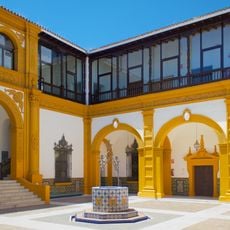
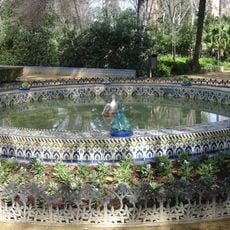
A hidden courtyard within the building features a fountain incorporating authentic Maya and Toltec decorative patterns and symbolic details. This secluded spot contains artistic craftsmanship that many visitors miss because it sits away from the main viewpoints.
The community of curious travelers
AroundUs brings together thousands of curated places, local tips, and hidden gems, enriched daily by 60,000 contributors worldwide.