Parque de María Luisa

Log in to your account

AroundUs is a community-driven map of interesting places, built by curious explorers like you. It grows with every review, story, and photo you share.
Connect to save your favorite spots, contribute locations, and create personalized routes.
By continuing, you accept our Terms and Conditions and our Privacy Policy
Add to collection
Map
Suggest a change
Share

Parque de María Luisa, Historic garden in Seville, Spain

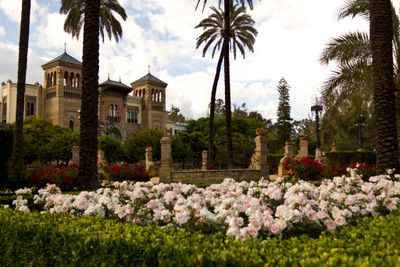
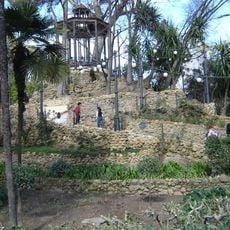
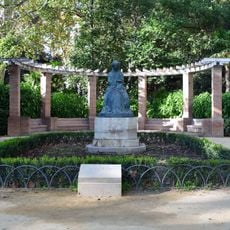
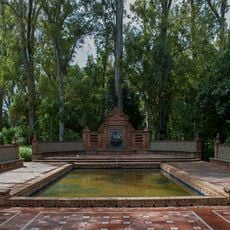
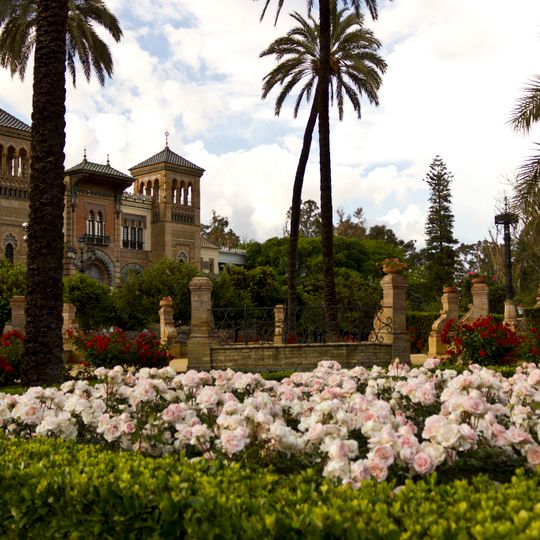
The park contains numerous pathways bordered by orange trees, Mediterranean pines, and palms spread across 34 hectares of landscaped terrain.

Infanta Maria Luisa Fernanda de Borbon donated these gardens, originally part of San Telmo Palace, to Seville in 1893 for public use.

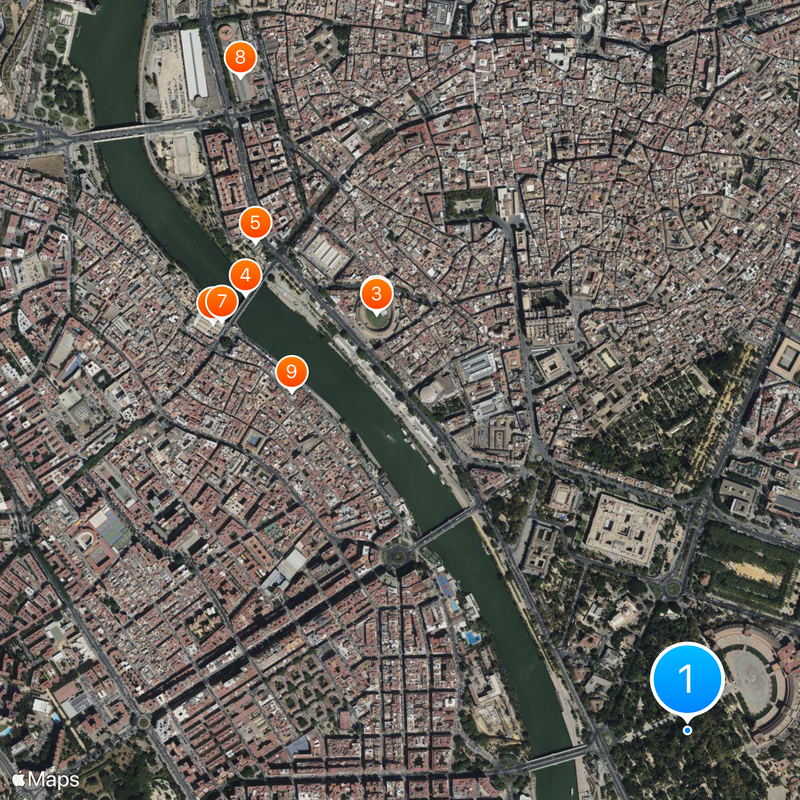
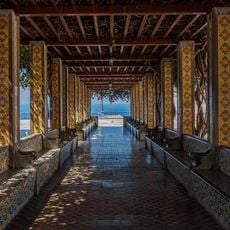
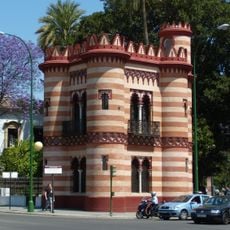
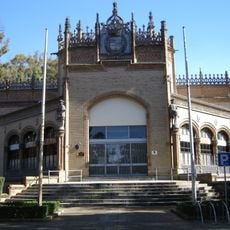
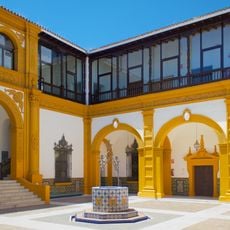
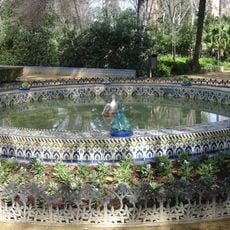
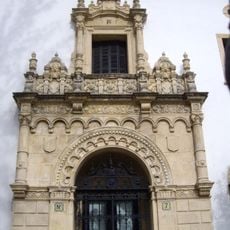
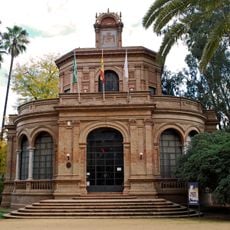
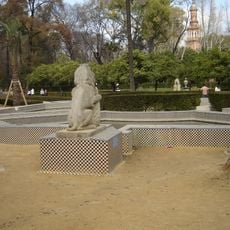
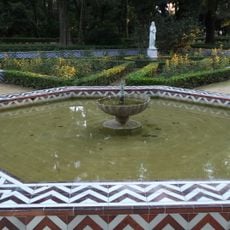
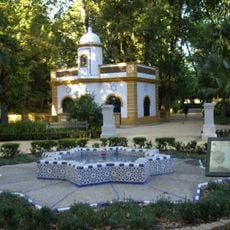
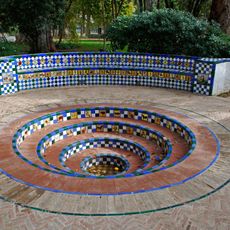
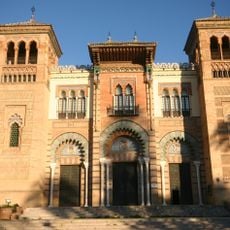
The gardens integrate French and Spanish design elements, featuring tiled fountains, decorative pavilions, and ponds that reflect regional architectural traditions.

The park remains open daily from 8:00 AM to midnight, with multiple entrances accessible from nearby bus and tram stations.

Plaza de España, constructed for the 1929 Ibero-American Exhibition, occupies the northwestern section with its semicircular structure and water features.

Location: Seville

Inception: April 18, 1914

Official opening: April 18, 1914

Architectural style: Romanticism

Address: P.º de las Delicias, s/n, 41013 Sevilla, Spain 41013 Sevilla

Opening Hours: Monday-Sunday 08:00-00:00

Phone: +34955473232

Website: https://sevilla.org/ayuntamiento/competencias-areas/area-de-habitat-urbano-cultura-y-turismo/servicio-de-parques-y-jardines/parques/parques-y-jardines-historicos-1/parque-de-maria-luisa

GPS coordinates: 37.37574,-5.98889

Latest update: July 24, 2025 18:22

Historical sites and architecture in Seville

Seville contains architectural elements from multiple periods. The city combines Gothic cathedrals, Moorish palaces, and modern structures. The Alcázar displays Islamic heritage, while Plaza de España represents Renaissance style. Parks, museums, and historic districts complement the architectural legacy.

Gardens behind walls in Andalusia

Andalusia holds a notable collection of historic gardens that reflect different periods of Spanish history. These sites combine Moorish, Christian, and modern design traditions and demonstrate the evolution of garden art on the Iberian Peninsula. From the terraced layouts of the Nasrid era to the parks of the 19th and 20th centuries, these places provide insight into the cultural influences of various ages. Granada contains several significant examples of this garden tradition. The Generalife served as the summer residence of the Nasrid sultans and features water features, patios, and planted terraces overlooking the Alhambra. The Carmen de los Mártires combines Moorish, French, and English garden elements, while the Fundación Rodríguez-Acosta represents an example of early 20th-century garden design. Additional sites such as the Carmen de la Victoria, the Jardin de los Adarves, and the Palacio de los Córdova complete the picture of Granada's garden tradition. Seville houses one of Spain's most important historic gardens at the Real Alcázar. The complex includes Moorish courtyards, Renaissance parterres, and modern plantings. The city also offers the Jardines de Murillo at the edge of the Alcázar grounds, the expansive María Luisa Park with its pavilions and plazas, the Jardín Americano with exotic vegetation, as well as Los Jardines de la Buhaira and La Cartuja de Sevilla. The Casa de Pilatos displays an ornate palace courtyard with plants and fountains. In Córdoba, the Alcázar de los Reyes Cristianos presents geometric gardens with water basins and cypresses, while the Palacio de Viana offers twelve different interior courtyards with varied plantings. Málaga contributes to the diversity with the Botanical Garden La Concepción and the Pedro Luis Alonso Gardens, and in Vélez de Benaudalla lies the Nasrid Garden of Vélez as another testimony to Moorish garden design.

Historical and Cultural Sites in Seville

Seville features an exceptional architectural and cultural ensemble. The city is home to the Gothic cathedral, the Moorish-influenced Alcázar, the Santa Cruz district, and the Plaza de España. Parks and gardens such as María Luisa offer spaces filled with orange trees and palm trees. The Guadalquivir River flows through the city, bordered by the Triana district known for its ceramics workshops. Museums, palaces, and churches house art collections from the Middle Ages to the present.

Reviews

Real people, real opinions — but not verified.

Visited this place? Tap the stars to rate it and share your experience / photos with the community! Try now! You can cancel it anytime.

chrisb61
@chrisb61

Jul 24, 2025 18:21

Magnificent.

« Parque de María Luisa: Historic garden in Seville, Spain » is provided by Around Us (aroundus.com). Images and texts are derived from Wikimedia project under a Creative Commons license. You are allowed to copy, distribute, and modify copies of this page, under the conditions set by the license, as long as this note is clearly visible.

Discover hidden gems everywhere you go!

From secret cafés to breathtaking viewpoints, skip the crowded tourist spots and find places that match your style. Our app makes it easy with voice search, smart filtering, route optimization, and insider tips from travelers worldwide. Download now for the complete mobile experience.

Around Us App Screenshot

A unique approach to discovering new places

Le Figaro

All the places worth exploring

France Info

A tailor-made excursion in just a few clicks

20 Minutes