See the monuments around you in AROpen chests in the app
Around Us is built for your phone — point your camera at the streets and discover the monuments and places around you in augmented reality.Around Us is built for your phone — chests unlock when you walk, explore and capture nearby places.
Seville brings together layers of history in one place. Walking through the city, you encounter a Gothic cathedral that towers above the streets, the Alcázar palace with its Moorish-inspired courtyards and tilework, and the winding alleys of the Santa Cruz neighborhood where locals still live and work. The grand Plaza de España draws people with its curved architecture and reflective pools, while María Luisa Park provides shade beneath orange and palm trees, offering a place where residents and visitors sit to escape the heat.
The Guadalquivir River divides the city, with the Triana district on the far bank known for its long tradition of pottery making. Here, artisans continue working in small workshops much as they have for centuries. Across the river, the Historical Center holds a concentration of museums, palaces, and churches displaying art spanning from medieval times to today. You can visit Casa de Pilatos with its Renaissance courtyard, climb the Giralda Tower for city views, or simply wander streets lined with ceramic tiles and whitewashed walls.
For a modern perspective, the Metropol Parasol stands in sharp contrast to these older buildings, while the Triana Market remains a lively gathering spot for daily life. These sites together tell the story of a city shaped by Christian, Muslim, and Jewish cultures, where each period has left its mark on the buildings, streets, and daily routines that define Seville today.
Seville brings together layers of history in one place. Walking through the city, you encounter a Gothic cathedral that towers above the streets, the Alcázar palace with its Moorish-inspired courtyards and tilework, and the winding alleys of the Santa Cruz neighborhood where locals still live and work. The grand Plaza de España draws people with its curved architecture and reflective pools, while María Luisa Park provides shade beneath orange and palm trees, offering a place where residents and visitors sit to escape the heat.
The Guadalquivir River divides the city, with the Triana district on the far bank known for its long tradition of pottery making. Here, artisans continue working in small workshops much as they have for centuries. Across the river, the Historical Center holds a concentration of museums, palaces, and churches displaying art spanning from medieval times to today. You can visit Casa de Pilatos with its Renaissance courtyard, climb the Giralda Tower for city views, or simply wander streets lined with ceramic tiles and whitewashed walls.
For a modern perspective, the Metropol Parasol stands in sharp contrast to these older buildings, while the Triana Market remains a lively gathering spot for daily life. These sites together tell the story of a city shaped by Christian, Muslim, and Jewish cultures, where each period has left its mark on the buildings, streets, and daily routines that define Seville today.
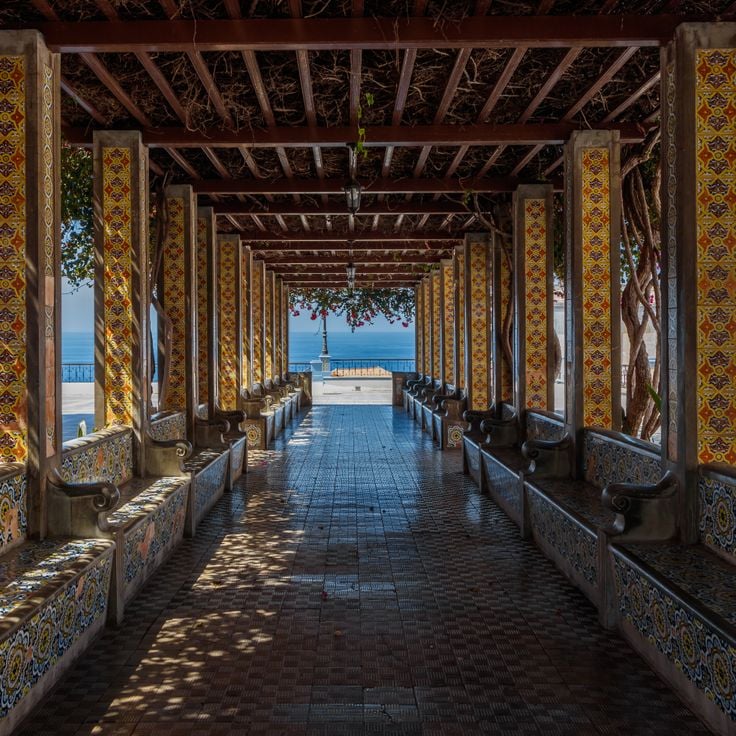
The Plaza de España is a large architectural complex in Seville built in 1928 for the Ibero-American Exposition. It draws people with its curved architecture and reflective pools. The complex features semi-circular galleries, fountains, and benches adorned with tiles. With its broad arcades, calm waters, and benches, this plaza offers a place where residents and visitors can escape the heat and bustle of the city.
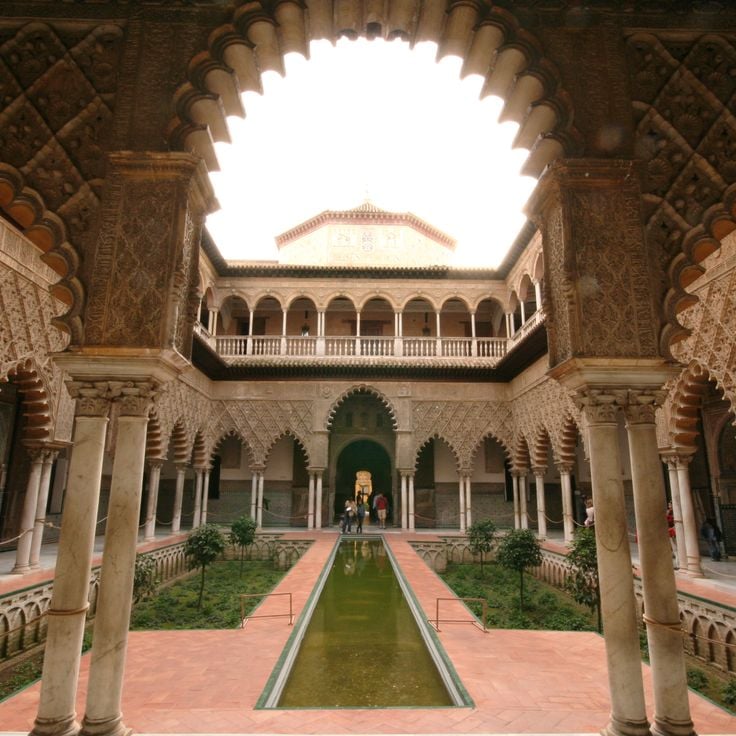
The Real Alcázar of Seville is a royal palace established in the 10th century, displaying Mudejar, Gothic, and Renaissance architecture. This palace shows how different cultures have shaped the city, with courtyards inspired by Moorish patterns, intricate tilework, and rooms that hold centuries of history. The palace gardens invite visitors to wander through fountains, orange trees, and shaded pathways where you can escape the heat and bustle of the streets.
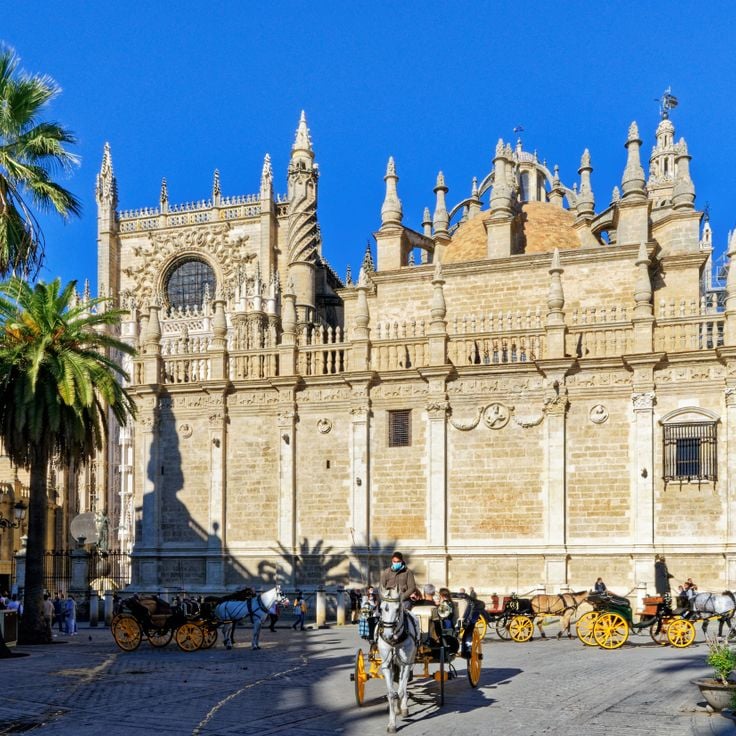
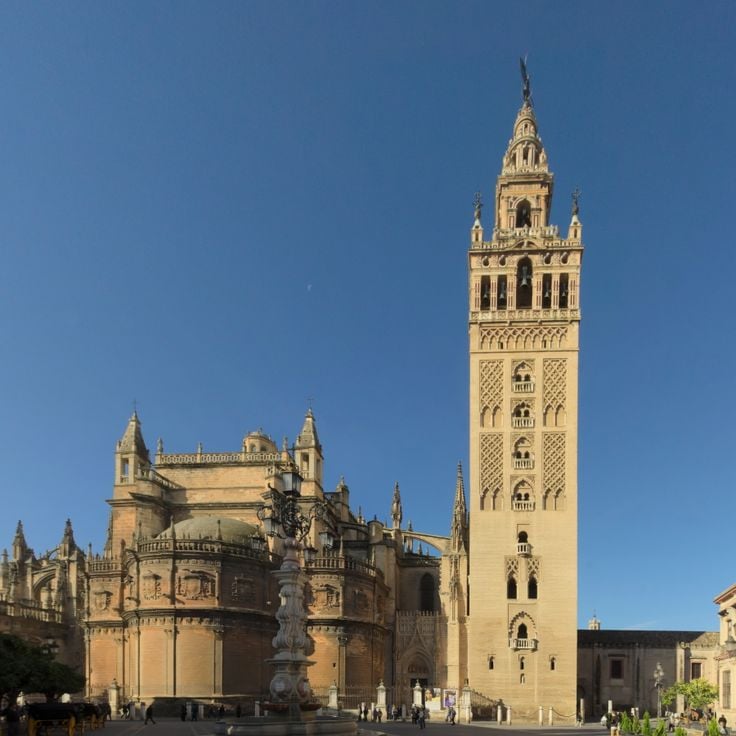
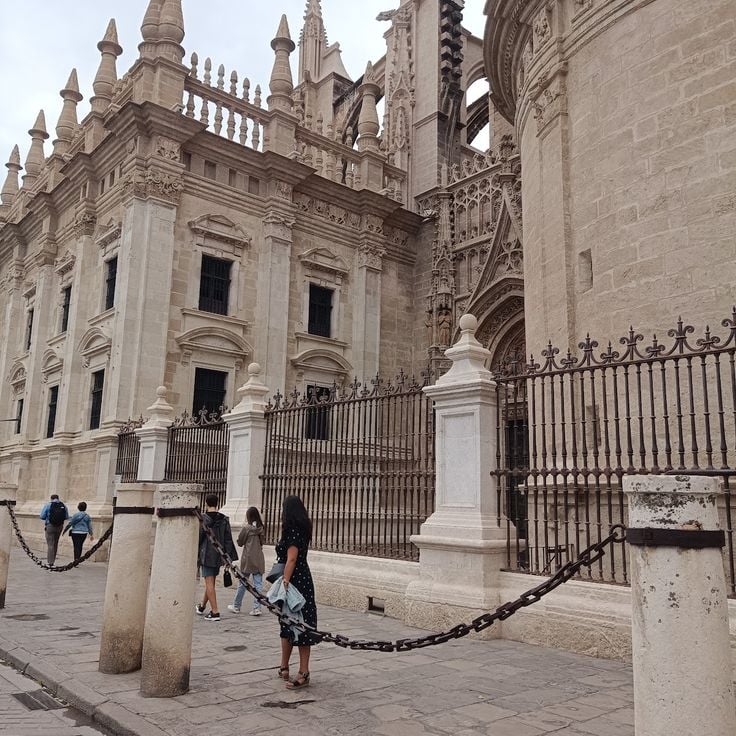
Seville Cathedral is a centerpiece of this collection of historical and cultural sites in the city. This Gothic structure was built in the 15th century on the site of a former mosque. The Giralda Tower, a former minaret, rises to 97 meters (318 feet) in height and towers above the surrounding streets. The tower and cathedral together show how different periods and cultures have shaped Seville's buildings and streets.
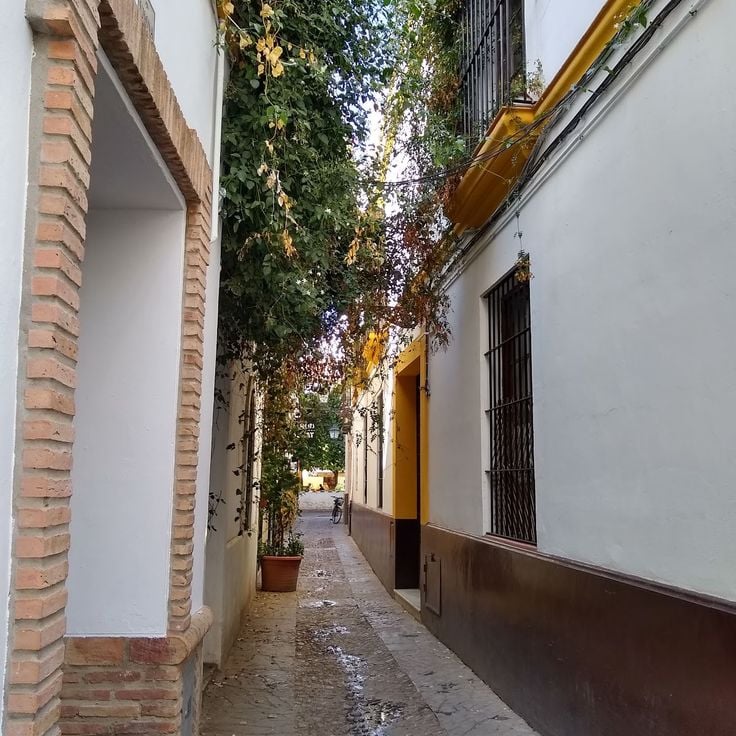
The Santa Cruz District in Seville represents a key part of the city that brings together multiple historical layers. This medieval Jewish quarter displays its character through cobbled streets, small squares with fountains, and houses with flower-filled courtyards. People still live and work in these narrow alleys today, much as they did centuries ago. The whitewashed walls and ceramic tiles that line the streets reflect a city shaped by Christian, Muslim, and Jewish cultures, each leaving its mark on the buildings and daily life that define this neighborhood.
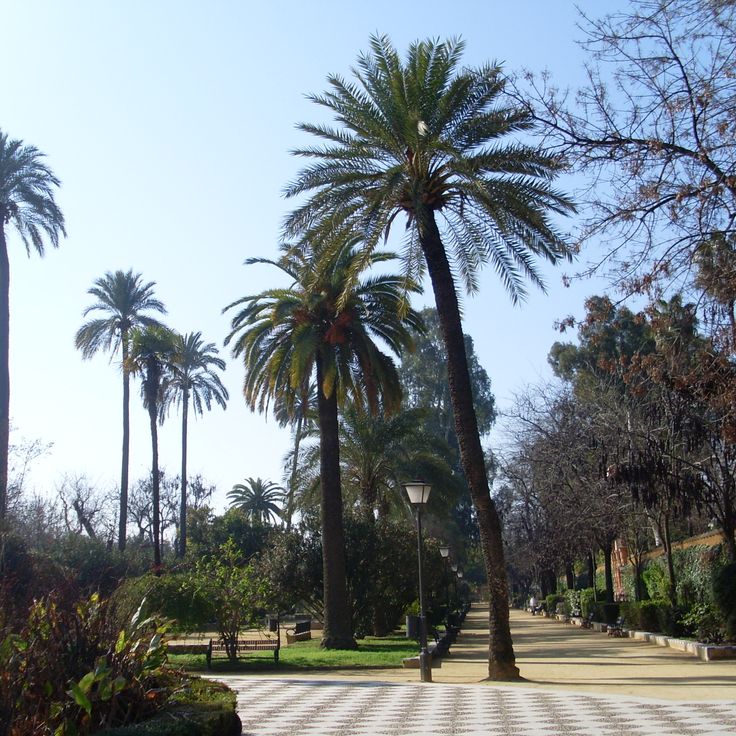
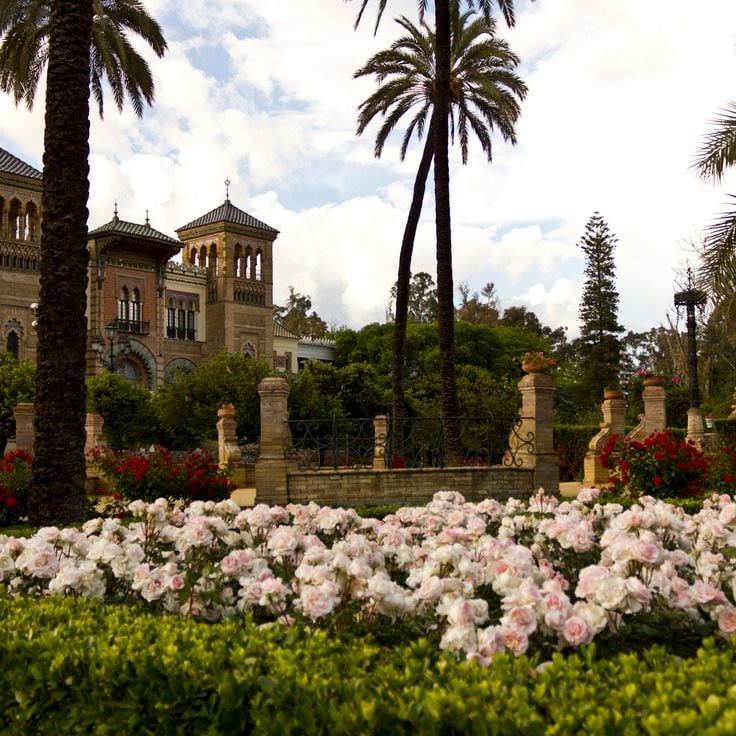
Maria Luisa Park is a public green space in Seville, part of the city's collection of cultural and historical sites. Laid out in 1914, the park offers shade beneath orange and palm trees where residents and visitors come to rest and escape the heat. The park contains botanical gardens, fountains, ponds, and exhibition pavilions decorated with ceramic tiles that reflect the artistic traditions woven throughout Seville's streets.
The Giralda Tower of this cathedral is a 97-meter minaret built in the 12th century and later integrated into the Christian structure. From its platform, visitors look out over all of Seville. The tower combines Moorish and Christian traditions, showing how different cultures shaped the city. With its geometric decorations and detailed stonework, it displays the craftsmanship of multiple periods in one structure.
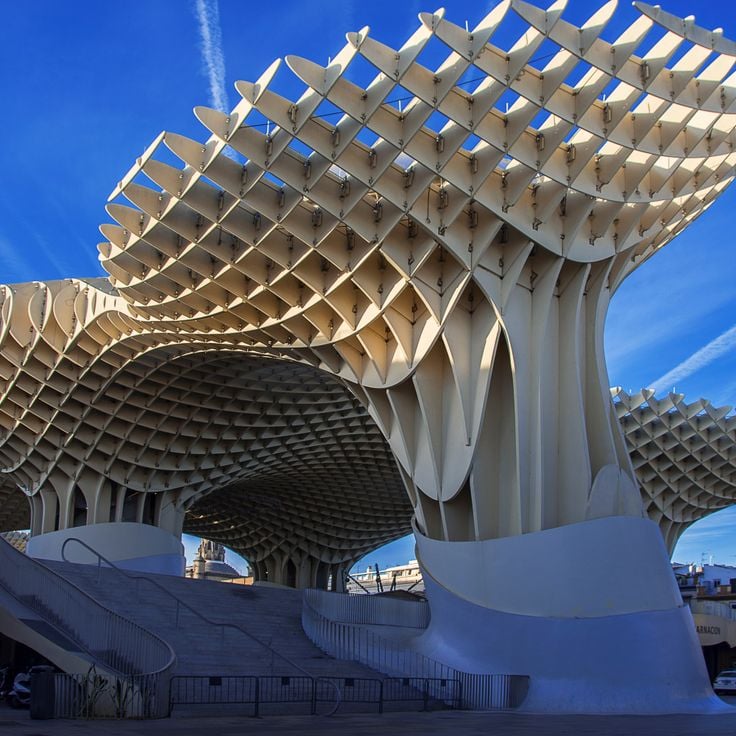
The Metropol Parasol is a modern wooden architectural structure built in 2011 that stands in striking contrast to Seville's older buildings. This structure houses a covered market, a restaurant, and observation terraces at various levels. Located in the heart of the historic city, it demonstrates how Seville has evolved from its medieval, Muslim, and Jewish roots into the present day.
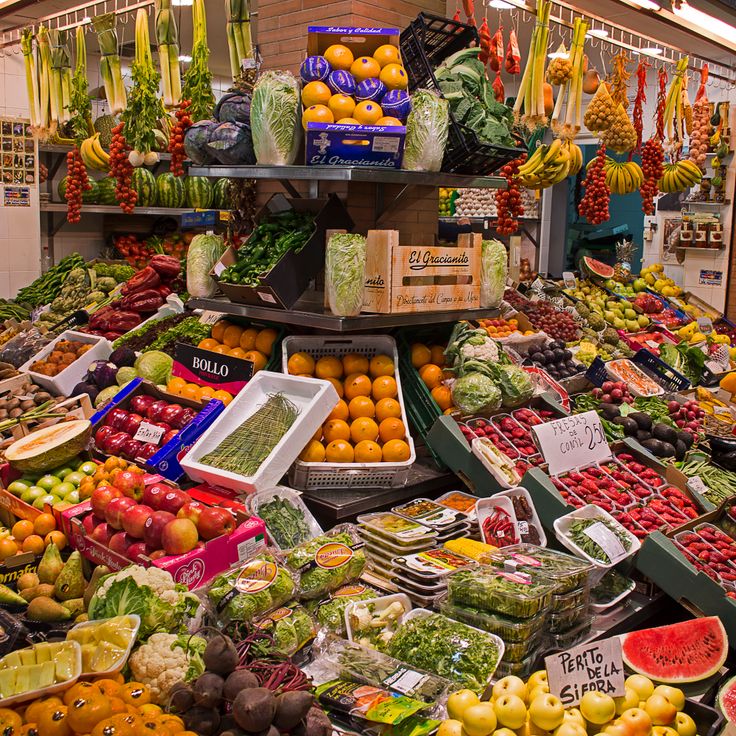
The Triana Market is a covered commercial space in this historic district of Seville, located across the Guadalquivir River in an area known for centuries of pottery making. Stalls here sell fruits, vegetables, meats, and fish, while restaurants prepare regional Andalusian dishes. It remains a gathering spot where residents shop and meet, continuing the daily rhythms that have shaped life in Triana for generations.
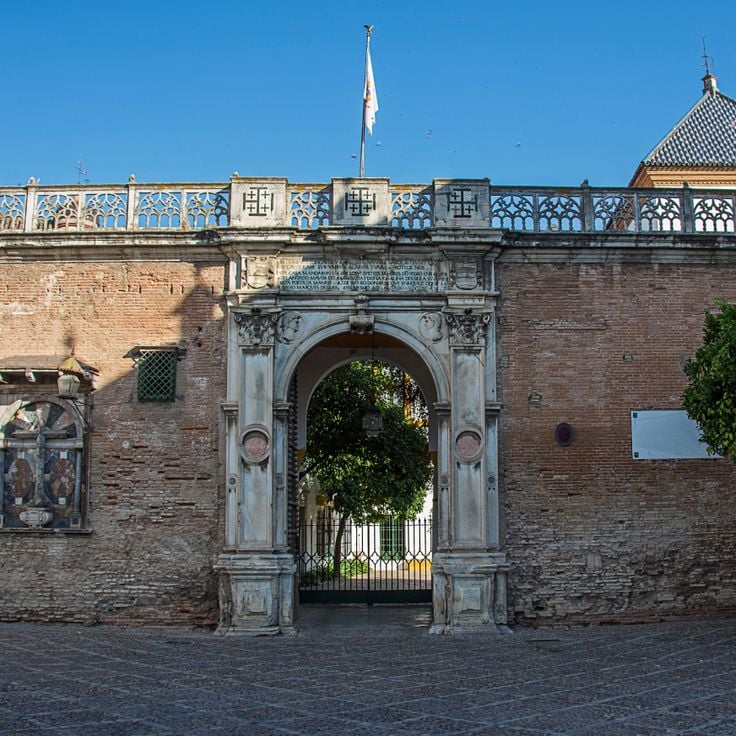
Casa de Pilatos is a palace built in the 16th century that embodies Seville's layered history. The building combines Gothic, Mudejar, and Renaissance architecture, showing how different cultures shaped the city. The courtyards are adorned with colorful ceramic tiles, reflecting the craftsmanship traditions that continue in Seville. Visitors can walk through the rooms and encounter the blend of artistic styles that developed over centuries.
The Historical Center of Seville is an ancient district with buildings constructed between 1400 and 1800. It forms part of the historical and cultural sites of Seville, where layers of history come together in one place. Here you find narrow alleys, public squares, and fountains that define the character of the neighborhood. The center holds a concentration of museums, palaces, and churches displaying art from medieval times to today. You can visit Casa de Pilatos with its Renaissance courtyard, climb the Giralda Tower for city views, or simply walk streets lined with ceramic tiles and whitewashed walls.
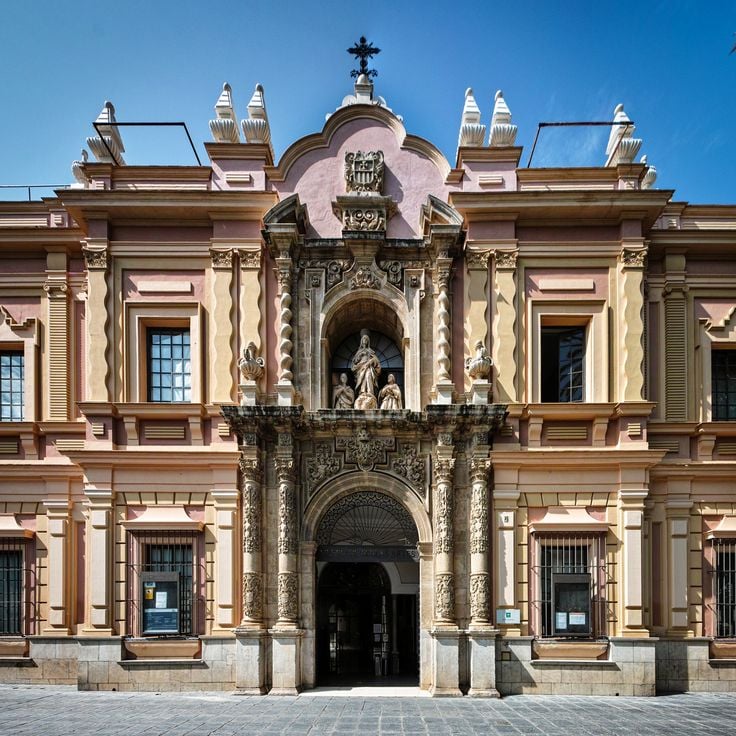
The Museum of Fine Arts of Seville displays Spanish art within a former monastery from the 13th century. Inside, you will find paintings by Murillo, Zurbarán, and other classic painters. This museum tells the story of Spanish painting and fits naturally within Seville's rich artistic tradition, gathering works from different periods that have shaped the city's cultural legacy.
The Triana District sits on the western bank of the Guadalquivir River and represents a vital piece of Seville's historical and cultural identity. This quarter has been the heart of pottery making for centuries, where artisans work in small shops and pass their skills through generations. You will find traditional taverns where locals eat and drink, and the lively Triana Market where people gather daily. Whitewashed houses and narrow streets create a distinctive character that reflects how residents actually live here. The Triana District connects craft tradition with present-day life, showing how the city has been shaped by Christian, Muslim, and Jewish cultures that have left their mark on these streets.
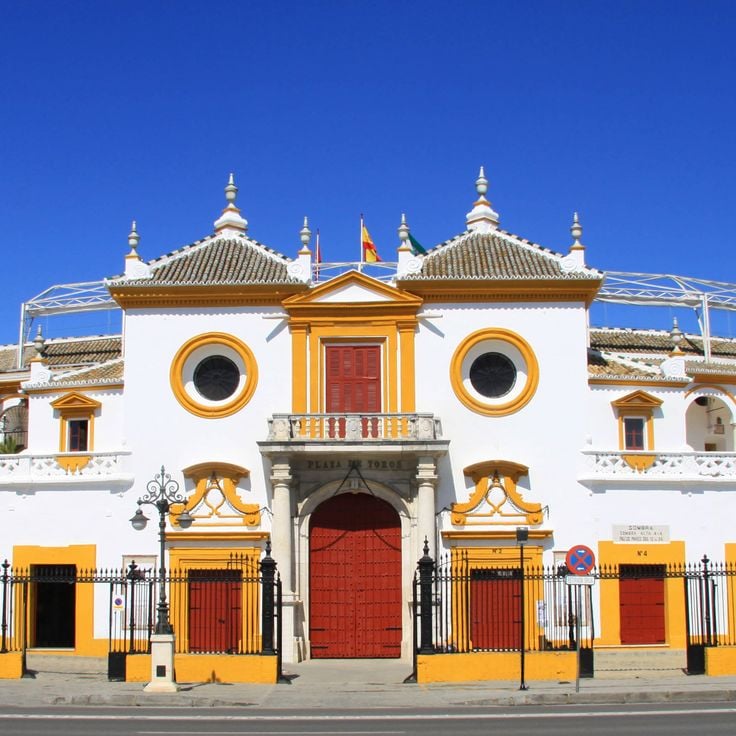
The Maestranza Bullring is a circular Baroque-style arena built in the 18th century that shows the history of bullfighting tradition in Seville. As part of the city's historical and cultural sites, this arena shapes the cityscape and houses a collection of Spanish bullfighting objects. Visitors can explore the distinctive architecture and learn about an art form that has been practiced in Seville for centuries.
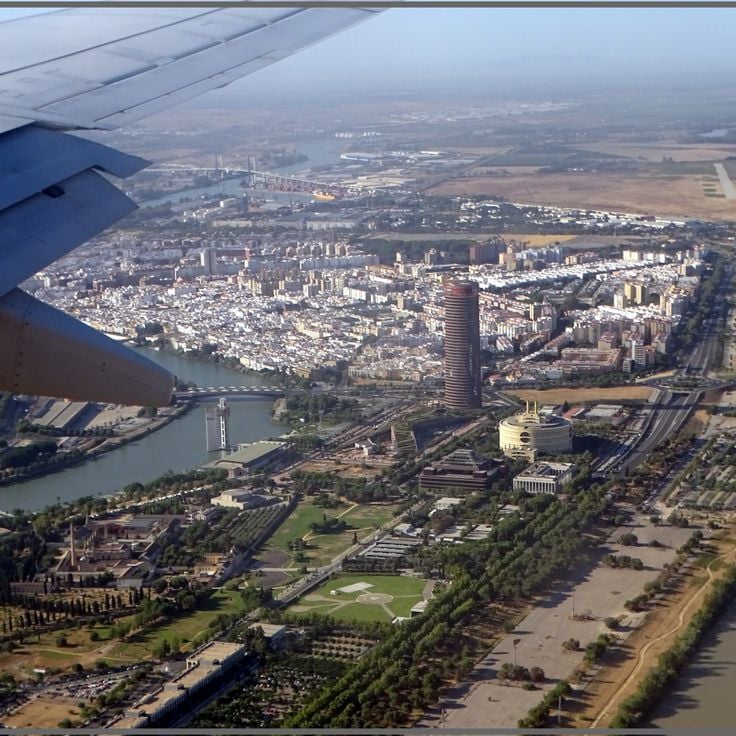
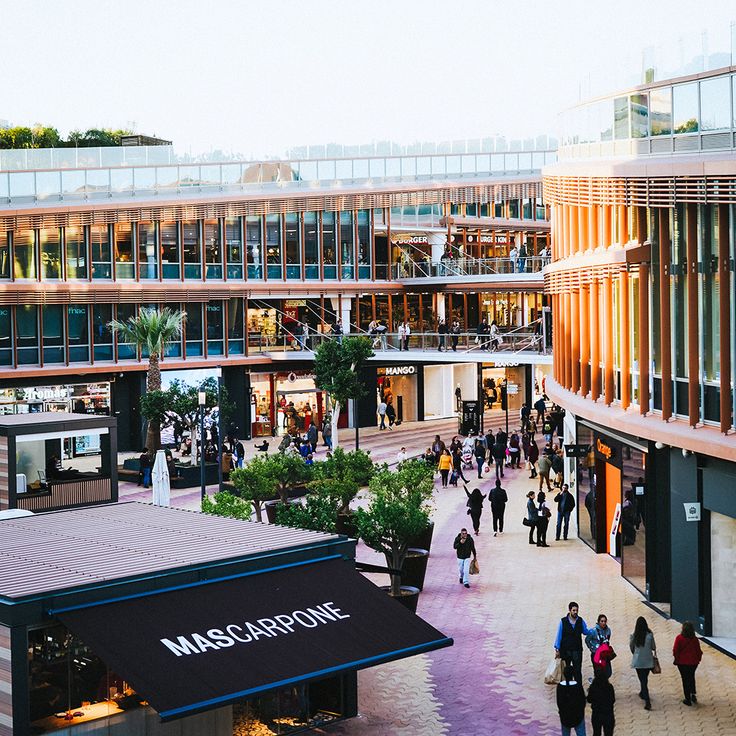
The Torre Sevilla Shopping Center is a modern shopping complex located at the base of Seville's tallest skyscraper, fitting into the historical and cultural landscape of the city. It offers shops, restaurants, and a multiplex cinema, showing how Seville continues to evolve alongside its medieval palaces, mosques, and winding streets. This center represents the modern side of the city, while historical sites like the cathedral and Alcázar Palace preserve the older layers of the past.
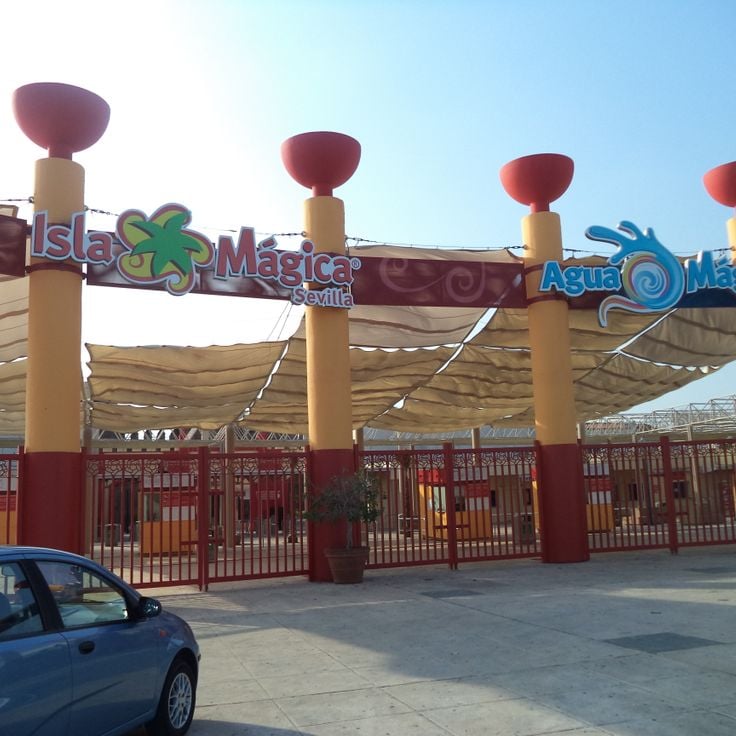
Isla Mágica Park in Seville is an amusement park offering attractions and shows that recreate 16th-century Spain and the era of great maritime explorations. This park complements Seville's historical and cultural sites by bringing the city's maritime history to life through modern entertainment, offering visitors another perspective on the age of Spanish discovery.
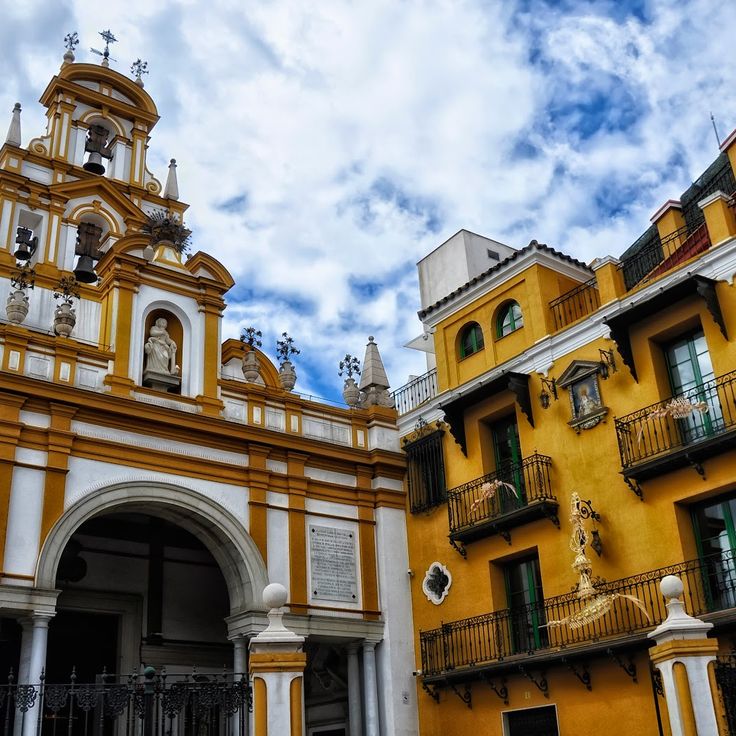
The Macarena Basilica stands as an important place in Seville's religious story. Built in the 17th century, this building displays the artistic power of its time and houses baroque sculptures, sacred artworks, and a revered statue of the Virgin Mary. Visitors step into a space that reflects centuries of devotion and artistic creation, revealing the deep Christian tradition that shaped the city.
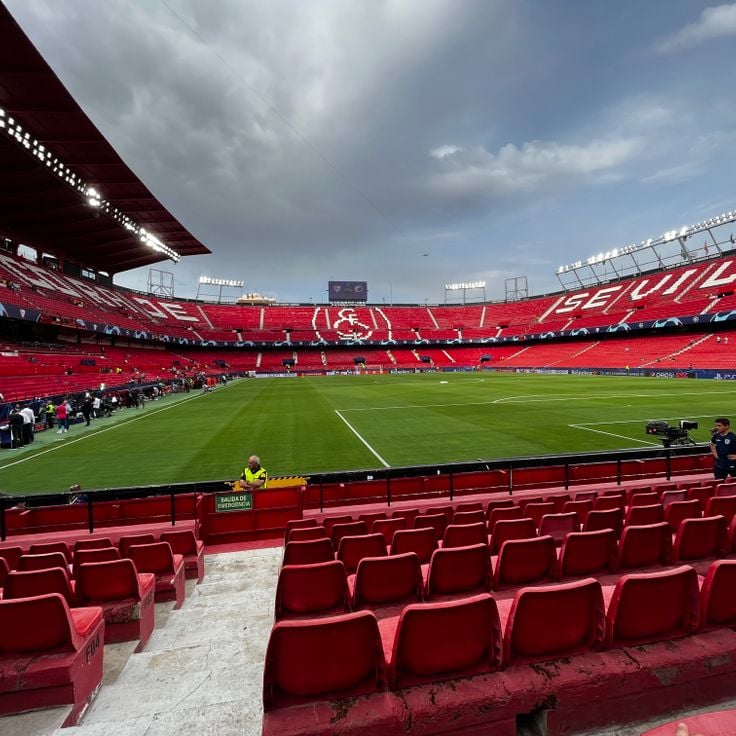
The Ramón Sánchez Pizjuán Stadium in Seville is a football stadium that has stood since 1958 and serves as the home of FC Seville. With its capacity, the stadium hosts major matches and international competitions. It stands as a modern venue in a city otherwise defined by layers of history. Here, fans and residents gather to watch the game and share their passion for football.
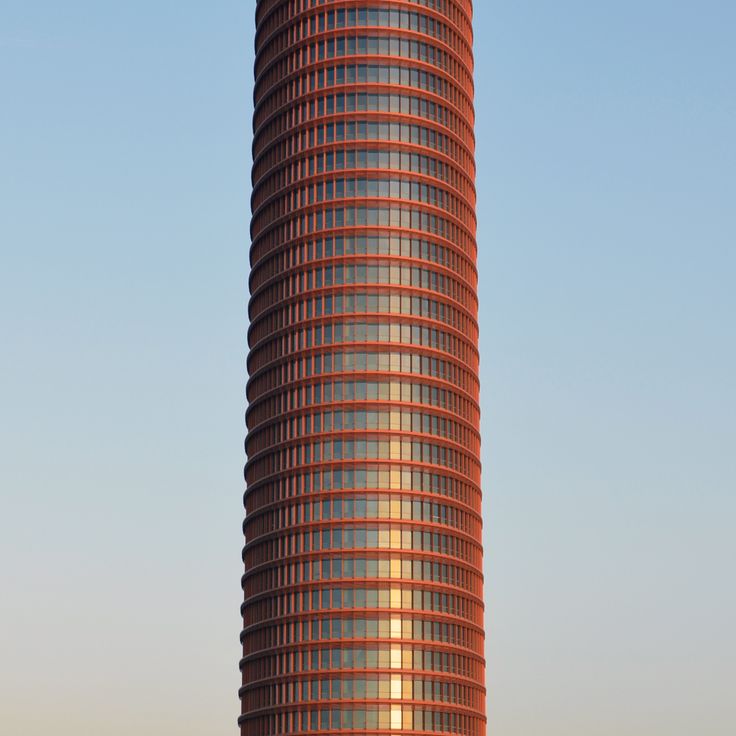
The Seville Tower in Seville marks the contemporary skyline of this city with its many historical layers. This office tower with 37 floors and a height of 180 meters was built in 2015 and offers a public observation platform. From there, visitors can see the collection of historical and cultural sites: the Gothic cathedral, the Alcázar palace with its Moorish courtyards, the winding streets of Santa Cruz, and the curved architecture of Plaza de España. The tower provides a modern contrast to the older buildings and is the highest vantage point in Andalusia.
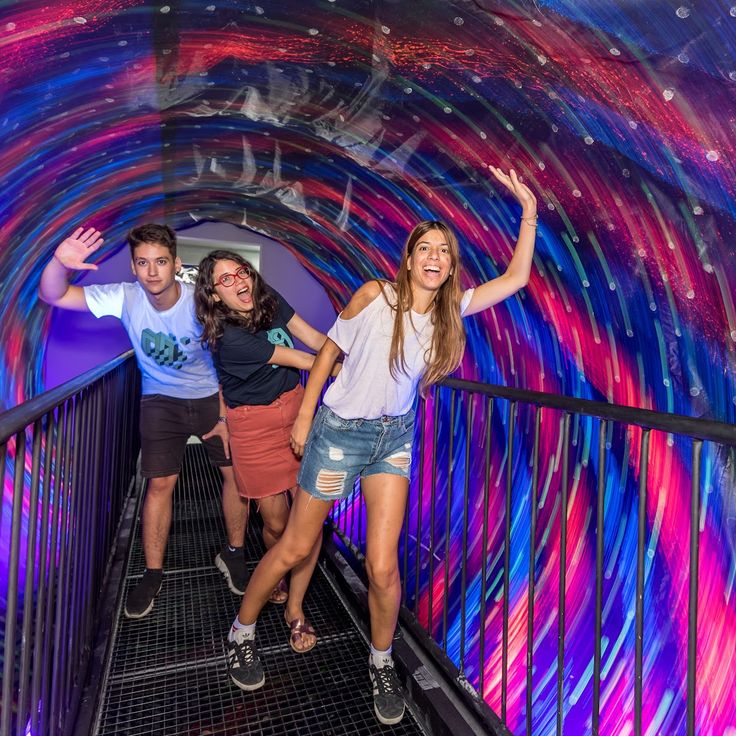
The Museum of Illusions adds to Seville's collection of historical and cultural sites. This space holds 60 interactive installations across 400 square meters that play with optical illusions and sensory perception. As you walk through, you encounter displays that challenge the way you see and understand the world around you. The museum offers a modern perspective alongside Seville's medieval palaces, churches, and traditional neighborhoods, showing how creative thinking continues to shape the city.
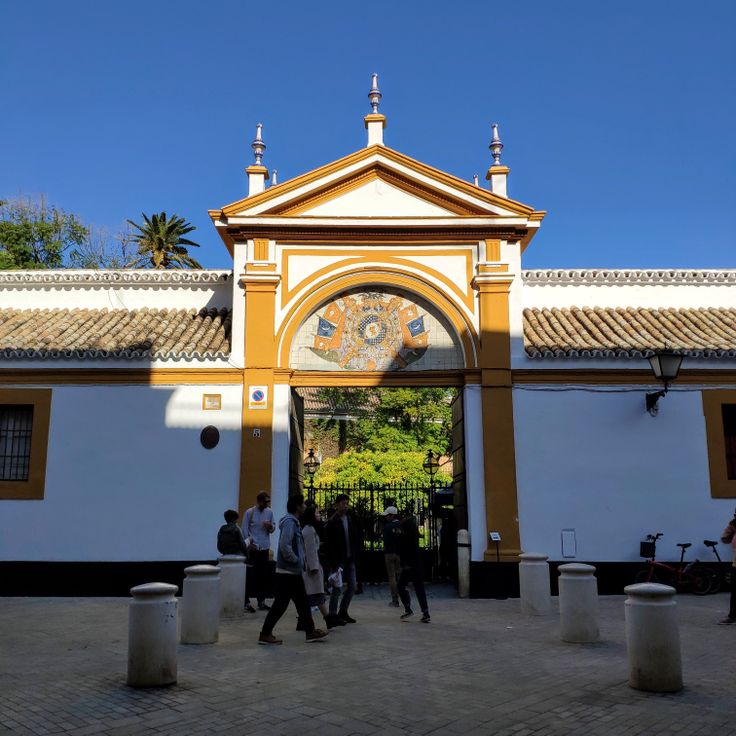
Dueñas Palace is an aristocratic residence built in the 15th century in Seville that reflects the city's layered history. This mansion blends Gothic and Mudejar elements, showing how Christian and Muslim cultures shaped the building styles of the city. Inside, courtyards with fountains and gardens surround art collections. The palace sits within the winding streets of the old center, where you can still see the daily rhythms of local life.
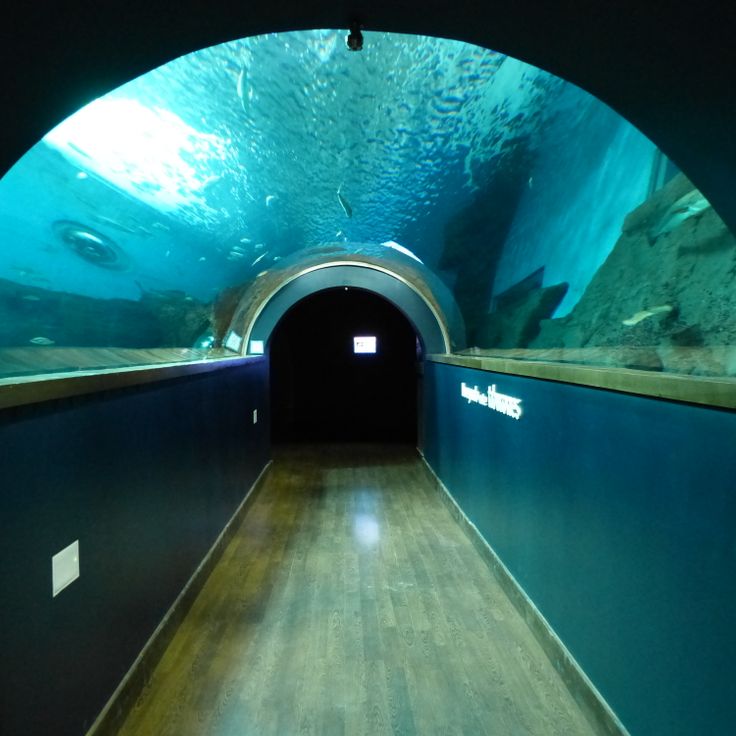
The Seville Aquarium displays marine life from Mediterranean and tropical waters in a contemporary setting. With 35 tanks organized into seven themed sections, it presents around 400 fish species. This center offers a different perspective on the natural world surrounding Seville, providing balance to the city's historical and cultural sites.
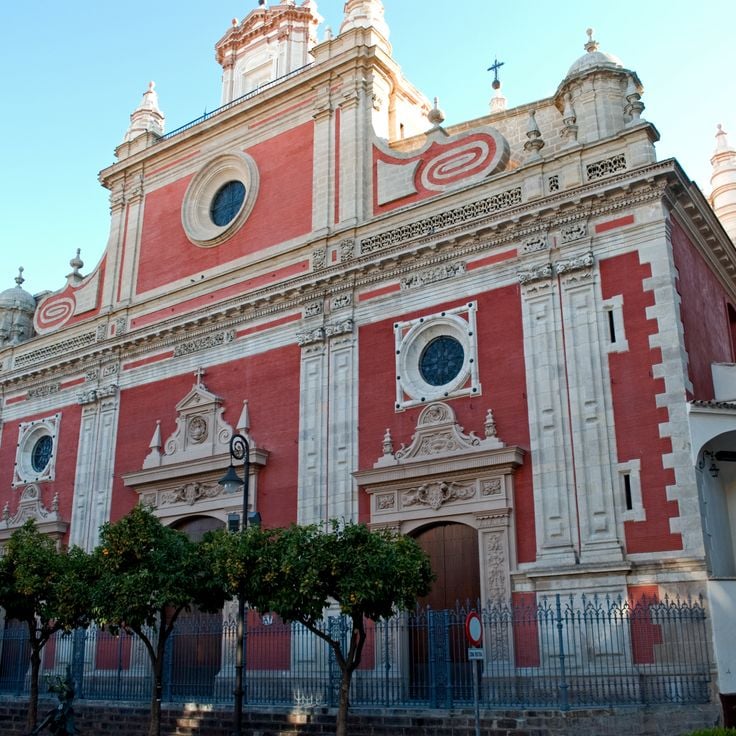
The Church of the Divine Savior is a 17th-century religious monument in Baroque style that represents one of Seville's historical and cultural sites. Its interior features altars decorated with gold leaf and a series of religious sculptures. This church embodies the Christian architecture that has shaped Seville's appearance and spiritual life over the centuries.
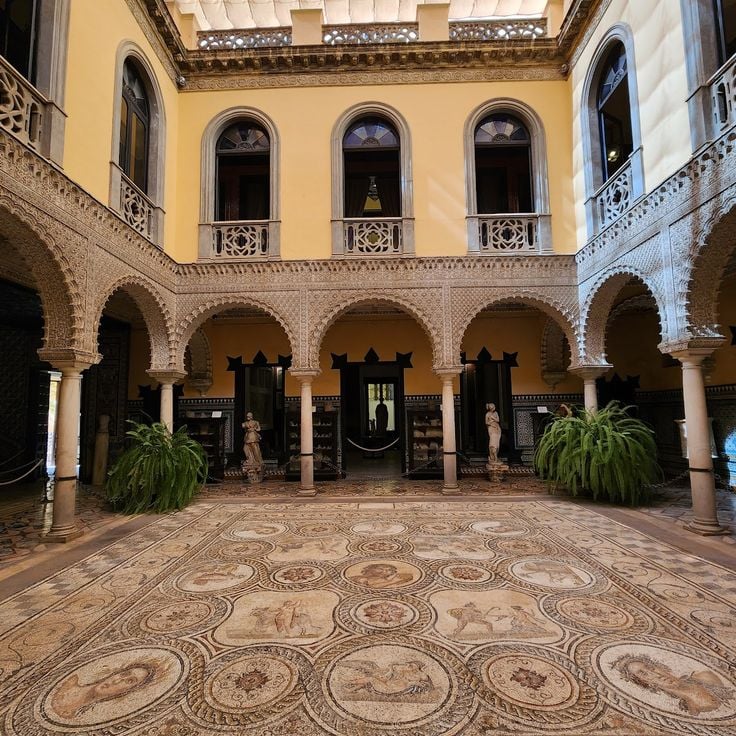
The Lebrija Palace stands as a 16th-century building in Seville's historic center, part of the city's layered story. Inside, the palace houses a museum displaying Roman mosaics and antiquities in historic rooms, offering visitors a chance to see the ancient foundations beneath the city's Christian, Muslim, and Jewish heritage that shaped Seville over centuries.
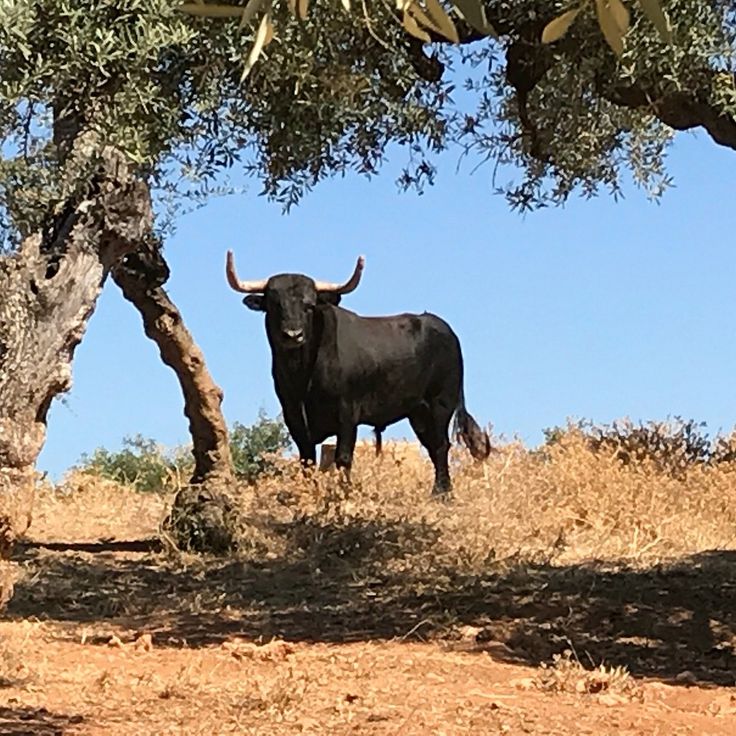
This bull breeding farm in Seville is a working center where visitors can watch breeders care for their animals and observe training methods passed down through generations. The farm demonstrates traditional practices that remain central to local culture and daily life in the region.
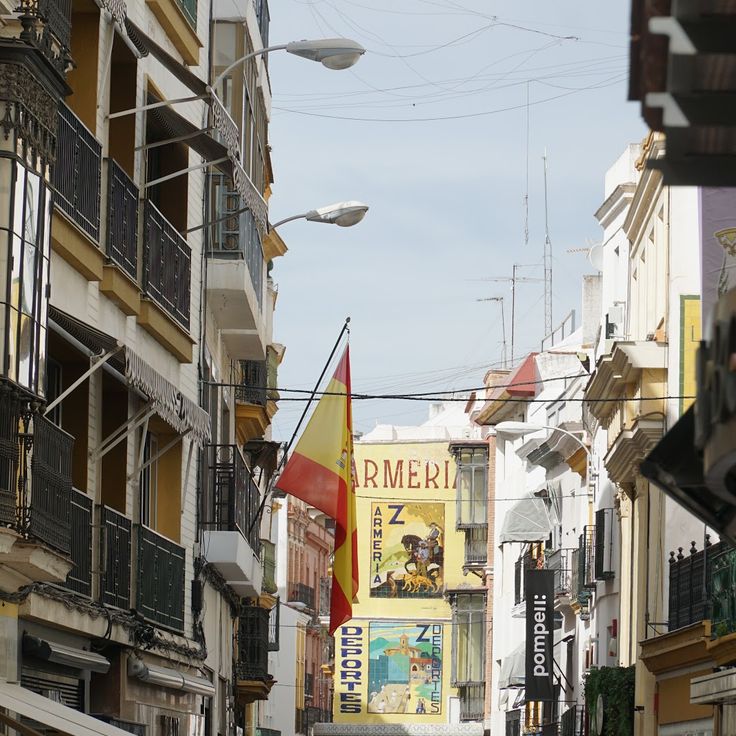
Calle Sierpes is the main shopping street in central Seville and a key location within this collection of historical and cultural sites. The street runs through the heart of the city and is shaded with cloths that protect from the sun. Along its length you find shops, cafes, and restaurants where locals and visitors gather throughout the day. The street connects different historic quarters and shows how Seville has developed from a medieval city into a modern commercial hub.
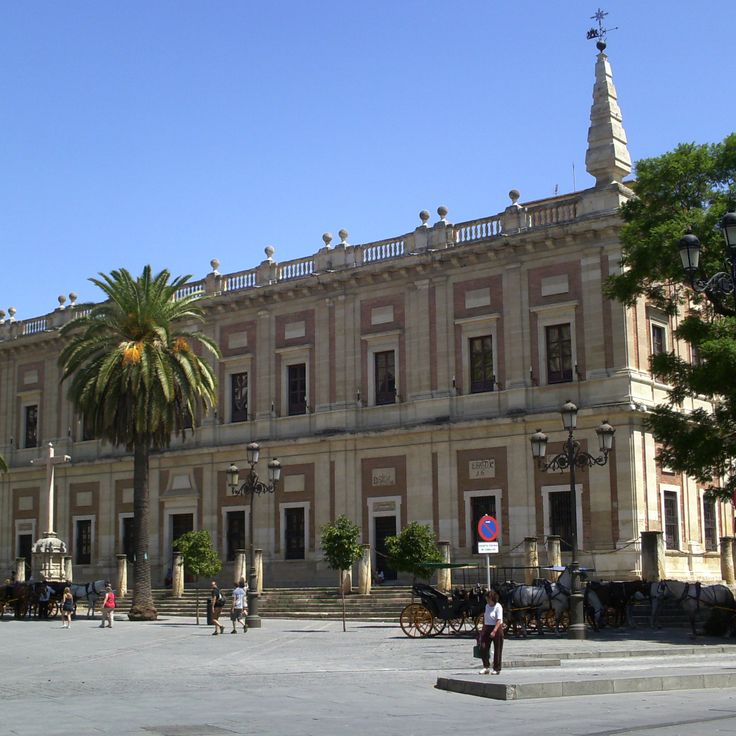
The Archives of the Indies sits in a 16th-century building and preserves documents from Spain's colonial period in America. This archive fits squarely into Seville's story, where Christian, Muslim, and Jewish cultures left their marks on the city. As you walk through Seville, you encounter the Gothic cathedral, the Alcázar palace with its Moorish courtyards, and the winding streets of Santa Cruz. The Archives of the Indies shows how this city served as a gateway to the New World and how it connected people and periods of history.
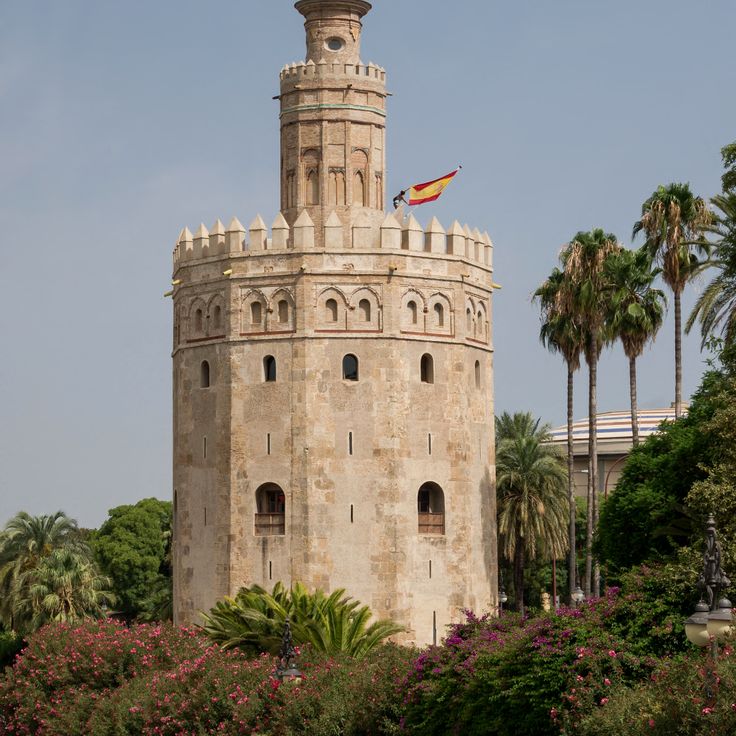
The Tower of Gold is a 12-sided military structure from the 13th century located on the banks of the Guadalquivir in Seville. As part of the city's historical and cultural sites, this tower once served as a port watchtower, standing where trading ships passed by on the river. Its distinctive shape and riverside location make it a recognizable landmark of the city, a reminder of the time when Seville was an important port and trading center.
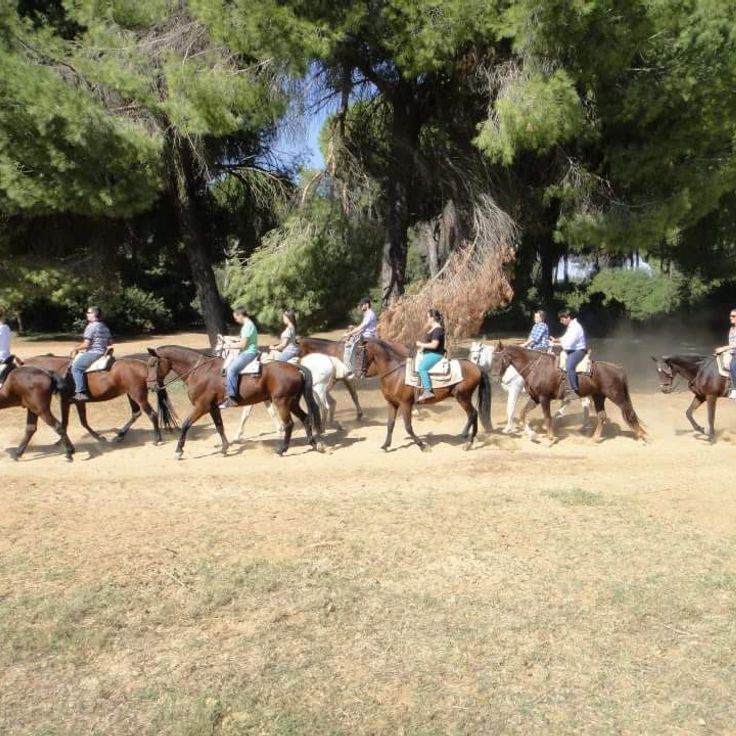
The Entrepinares Equestrian Center connects to Seville's living traditions and offers visitors a chance to experience the city's equestrian heritage. This riding center provides training and guided tours. Facilities include an indoor riding hall and horse stalls.
The Murillo Gardens are a 19th-century public park in Seville, contributing to the city's layered history and cultural richness. The gardens stretch along the walls of the Alcazar, offering pathways shaded by palm trees, water features, and sculptures. Like the nearby María Luisa Park, this green space provides visitors and residents with a place to rest and escape the heat while remaining close to the Historic Center with its concentration of palaces, museums, and churches.
The Plaza de España is a large architectural complex in Seville built in 1928 for the Ibero-American Exposition. It draws people with its curved architecture and reflective pools. The complex features semi-circular galleries, fountains, and benches adorned with tiles. With its broad arcades, calm waters, and benches, this plaza offers a place where residents and visitors can escape the heat and bustle of the city.
The Real Alcázar of Seville is a royal palace established in the 10th century, displaying Mudejar, Gothic, and Renaissance architecture. This palace shows how different cultures have shaped the city, with courtyards inspired by Moorish patterns, intricate tilework, and rooms that hold centuries of history. The palace gardens invite visitors to wander through fountains, orange trees, and shaded pathways where you can escape the heat and bustle of the streets.
Seville Cathedral is a centerpiece of this collection of historical and cultural sites in the city. This Gothic structure was built in the 15th century on the site of a former mosque. The Giralda Tower, a former minaret, rises to 97 meters (318 feet) in height and towers above the surrounding streets. The tower and cathedral together show how different periods and cultures have shaped Seville's buildings and streets.
The Santa Cruz District in Seville represents a key part of the city that brings together multiple historical layers. This medieval Jewish quarter displays its character through cobbled streets, small squares with fountains, and houses with flower-filled courtyards. People still live and work in these narrow alleys today, much as they did centuries ago. The whitewashed walls and ceramic tiles that line the streets reflect a city shaped by Christian, Muslim, and Jewish cultures, each leaving its mark on the buildings and daily life that define this neighborhood.
Maria Luisa Park is a public green space in Seville, part of the city's collection of cultural and historical sites. Laid out in 1914, the park offers shade beneath orange and palm trees where residents and visitors come to rest and escape the heat. The park contains botanical gardens, fountains, ponds, and exhibition pavilions decorated with ceramic tiles that reflect the artistic traditions woven throughout Seville's streets.
The Giralda Tower of this cathedral is a 97-meter minaret built in the 12th century and later integrated into the Christian structure. From its platform, visitors look out over all of Seville. The tower combines Moorish and Christian traditions, showing how different cultures shaped the city. With its geometric decorations and detailed stonework, it displays the craftsmanship of multiple periods in one structure.
The Metropol Parasol is a modern wooden architectural structure built in 2011 that stands in striking contrast to Seville's older buildings. This structure houses a covered market, a restaurant, and observation terraces at various levels. Located in the heart of the historic city, it demonstrates how Seville has evolved from its medieval, Muslim, and Jewish roots into the present day.
The Triana Market is a covered commercial space in this historic district of Seville, located across the Guadalquivir River in an area known for centuries of pottery making. Stalls here sell fruits, vegetables, meats, and fish, while restaurants prepare regional Andalusian dishes. It remains a gathering spot where residents shop and meet, continuing the daily rhythms that have shaped life in Triana for generations.
Casa de Pilatos is a palace built in the 16th century that embodies Seville's layered history. The building combines Gothic, Mudejar, and Renaissance architecture, showing how different cultures shaped the city. The courtyards are adorned with colorful ceramic tiles, reflecting the craftsmanship traditions that continue in Seville. Visitors can walk through the rooms and encounter the blend of artistic styles that developed over centuries.
The Historical Center of Seville is an ancient district with buildings constructed between 1400 and 1800. It forms part of the historical and cultural sites of Seville, where layers of history come together in one place. Here you find narrow alleys, public squares, and fountains that define the character of the neighborhood. The center holds a concentration of museums, palaces, and churches displaying art from medieval times to today. You can visit Casa de Pilatos with its Renaissance courtyard, climb the Giralda Tower for city views, or simply walk streets lined with ceramic tiles and whitewashed walls.
The Museum of Fine Arts of Seville displays Spanish art within a former monastery from the 13th century. Inside, you will find paintings by Murillo, Zurbarán, and other classic painters. This museum tells the story of Spanish painting and fits naturally within Seville's rich artistic tradition, gathering works from different periods that have shaped the city's cultural legacy.
The Triana District sits on the western bank of the Guadalquivir River and represents a vital piece of Seville's historical and cultural identity. This quarter has been the heart of pottery making for centuries, where artisans work in small shops and pass their skills through generations. You will find traditional taverns where locals eat and drink, and the lively Triana Market where people gather daily. Whitewashed houses and narrow streets create a distinctive character that reflects how residents actually live here. The Triana District connects craft tradition with present-day life, showing how the city has been shaped by Christian, Muslim, and Jewish cultures that have left their mark on these streets.
The Maestranza Bullring is a circular Baroque-style arena built in the 18th century that shows the history of bullfighting tradition in Seville. As part of the city's historical and cultural sites, this arena shapes the cityscape and houses a collection of Spanish bullfighting objects. Visitors can explore the distinctive architecture and learn about an art form that has been practiced in Seville for centuries.
The Torre Sevilla Shopping Center is a modern shopping complex located at the base of Seville's tallest skyscraper, fitting into the historical and cultural landscape of the city. It offers shops, restaurants, and a multiplex cinema, showing how Seville continues to evolve alongside its medieval palaces, mosques, and winding streets. This center represents the modern side of the city, while historical sites like the cathedral and Alcázar Palace preserve the older layers of the past.
Isla Mágica Park in Seville is an amusement park offering attractions and shows that recreate 16th-century Spain and the era of great maritime explorations. This park complements Seville's historical and cultural sites by bringing the city's maritime history to life through modern entertainment, offering visitors another perspective on the age of Spanish discovery.
The Macarena Basilica stands as an important place in Seville's religious story. Built in the 17th century, this building displays the artistic power of its time and houses baroque sculptures, sacred artworks, and a revered statue of the Virgin Mary. Visitors step into a space that reflects centuries of devotion and artistic creation, revealing the deep Christian tradition that shaped the city.
The Ramón Sánchez Pizjuán Stadium in Seville is a football stadium that has stood since 1958 and serves as the home of FC Seville. With its capacity, the stadium hosts major matches and international competitions. It stands as a modern venue in a city otherwise defined by layers of history. Here, fans and residents gather to watch the game and share their passion for football.
The Seville Tower in Seville marks the contemporary skyline of this city with its many historical layers. This office tower with 37 floors and a height of 180 meters was built in 2015 and offers a public observation platform. From there, visitors can see the collection of historical and cultural sites: the Gothic cathedral, the Alcázar palace with its Moorish courtyards, the winding streets of Santa Cruz, and the curved architecture of Plaza de España. The tower provides a modern contrast to the older buildings and is the highest vantage point in Andalusia.
The Museum of Illusions adds to Seville's collection of historical and cultural sites. This space holds 60 interactive installations across 400 square meters that play with optical illusions and sensory perception. As you walk through, you encounter displays that challenge the way you see and understand the world around you. The museum offers a modern perspective alongside Seville's medieval palaces, churches, and traditional neighborhoods, showing how creative thinking continues to shape the city.
Dueñas Palace is an aristocratic residence built in the 15th century in Seville that reflects the city's layered history. This mansion blends Gothic and Mudejar elements, showing how Christian and Muslim cultures shaped the building styles of the city. Inside, courtyards with fountains and gardens surround art collections. The palace sits within the winding streets of the old center, where you can still see the daily rhythms of local life.
The Seville Aquarium displays marine life from Mediterranean and tropical waters in a contemporary setting. With 35 tanks organized into seven themed sections, it presents around 400 fish species. This center offers a different perspective on the natural world surrounding Seville, providing balance to the city's historical and cultural sites.
The Church of the Divine Savior is a 17th-century religious monument in Baroque style that represents one of Seville's historical and cultural sites. Its interior features altars decorated with gold leaf and a series of religious sculptures. This church embodies the Christian architecture that has shaped Seville's appearance and spiritual life over the centuries.
The Lebrija Palace stands as a 16th-century building in Seville's historic center, part of the city's layered story. Inside, the palace houses a museum displaying Roman mosaics and antiquities in historic rooms, offering visitors a chance to see the ancient foundations beneath the city's Christian, Muslim, and Jewish heritage that shaped Seville over centuries.
This bull breeding farm in Seville is a working center where visitors can watch breeders care for their animals and observe training methods passed down through generations. The farm demonstrates traditional practices that remain central to local culture and daily life in the region.
Calle Sierpes is the main shopping street in central Seville and a key location within this collection of historical and cultural sites. The street runs through the heart of the city and is shaded with cloths that protect from the sun. Along its length you find shops, cafes, and restaurants where locals and visitors gather throughout the day. The street connects different historic quarters and shows how Seville has developed from a medieval city into a modern commercial hub.
The Archives of the Indies sits in a 16th-century building and preserves documents from Spain's colonial period in America. This archive fits squarely into Seville's story, where Christian, Muslim, and Jewish cultures left their marks on the city. As you walk through Seville, you encounter the Gothic cathedral, the Alcázar palace with its Moorish courtyards, and the winding streets of Santa Cruz. The Archives of the Indies shows how this city served as a gateway to the New World and how it connected people and periods of history.
The Tower of Gold is a 12-sided military structure from the 13th century located on the banks of the Guadalquivir in Seville. As part of the city's historical and cultural sites, this tower once served as a port watchtower, standing where trading ships passed by on the river. Its distinctive shape and riverside location make it a recognizable landmark of the city, a reminder of the time when Seville was an important port and trading center.
The Entrepinares Equestrian Center connects to Seville's living traditions and offers visitors a chance to experience the city's equestrian heritage. This riding center provides training and guided tours. Facilities include an indoor riding hall and horse stalls.
The Murillo Gardens are a 19th-century public park in Seville, contributing to the city's layered history and cultural richness. The gardens stretch along the walls of the Alcazar, offering pathways shaded by palm trees, water features, and sculptures. Like the nearby María Luisa Park, this green space provides visitors and residents with a place to rest and escape the heat while remaining close to the Historic Center with its concentration of palaces, museums, and churches.
The Plaza de España is a large architectural complex in Seville built in 1928 for the Ibero-American Exposition. It draws people with its curved architecture and reflective pools. The complex features semi-circular galleries, fountains, and benches adorned with tiles. With its broad arcades, calm waters, and benches, this plaza offers a place where residents and visitors can escape the heat and bustle of the city.
The Real Alcázar of Seville is a royal palace established in the 10th century, displaying Mudejar, Gothic, and Renaissance architecture. This palace shows how different cultures have shaped the city, with courtyards inspired by Moorish patterns, intricate tilework, and rooms that hold centuries of history. The palace gardens invite visitors to wander through fountains, orange trees, and shaded pathways where you can escape the heat and bustle of the streets.
Seville Cathedral is a centerpiece of this collection of historical and cultural sites in the city. This Gothic structure was built in the 15th century on the site of a former mosque. The Giralda Tower, a former minaret, rises to 97 meters (318 feet) in height and towers above the surrounding streets. The tower and cathedral together show how different periods and cultures have shaped Seville's buildings and streets.
The Santa Cruz District in Seville represents a key part of the city that brings together multiple historical layers. This medieval Jewish quarter displays its character through cobbled streets, small squares with fountains, and houses with flower-filled courtyards. People still live and work in these narrow alleys today, much as they did centuries ago. The whitewashed walls and ceramic tiles that line the streets reflect a city shaped by Christian, Muslim, and Jewish cultures, each leaving its mark on the buildings and daily life that define this neighborhood.
Maria Luisa Park is a public green space in Seville, part of the city's collection of cultural and historical sites. Laid out in 1914, the park offers shade beneath orange and palm trees where residents and visitors come to rest and escape the heat. The park contains botanical gardens, fountains, ponds, and exhibition pavilions decorated with ceramic tiles that reflect the artistic traditions woven throughout Seville's streets.
The Giralda Tower of this cathedral is a 97-meter minaret built in the 12th century and later integrated into the Christian structure. From its platform, visitors look out over all of Seville. The tower combines Moorish and Christian traditions, showing how different cultures shaped the city. With its geometric decorations and detailed stonework, it displays the craftsmanship of multiple periods in one structure.
The Metropol Parasol is a modern wooden architectural structure built in 2011 that stands in striking contrast to Seville's older buildings. This structure houses a covered market, a restaurant, and observation terraces at various levels. Located in the heart of the historic city, it demonstrates how Seville has evolved from its medieval, Muslim, and Jewish roots into the present day.
The Triana Market is a covered commercial space in this historic district of Seville, located across the Guadalquivir River in an area known for centuries of pottery making. Stalls here sell fruits, vegetables, meats, and fish, while restaurants prepare regional Andalusian dishes. It remains a gathering spot where residents shop and meet, continuing the daily rhythms that have shaped life in Triana for generations.
Casa de Pilatos is a palace built in the 16th century that embodies Seville's layered history. The building combines Gothic, Mudejar, and Renaissance architecture, showing how different cultures shaped the city. The courtyards are adorned with colorful ceramic tiles, reflecting the craftsmanship traditions that continue in Seville. Visitors can walk through the rooms and encounter the blend of artistic styles that developed over centuries.
The Historical Center of Seville is an ancient district with buildings constructed between 1400 and 1800. It forms part of the historical and cultural sites of Seville, where layers of history come together in one place. Here you find narrow alleys, public squares, and fountains that define the character of the neighborhood. The center holds a concentration of museums, palaces, and churches displaying art from medieval times to today. You can visit Casa de Pilatos with its Renaissance courtyard, climb the Giralda Tower for city views, or simply walk streets lined with ceramic tiles and whitewashed walls.
The Museum of Fine Arts of Seville displays Spanish art within a former monastery from the 13th century. Inside, you will find paintings by Murillo, Zurbarán, and other classic painters. This museum tells the story of Spanish painting and fits naturally within Seville's rich artistic tradition, gathering works from different periods that have shaped the city's cultural legacy.
The Triana District sits on the western bank of the Guadalquivir River and represents a vital piece of Seville's historical and cultural identity. This quarter has been the heart of pottery making for centuries, where artisans work in small shops and pass their skills through generations. You will find traditional taverns where locals eat and drink, and the lively Triana Market where people gather daily. Whitewashed houses and narrow streets create a distinctive character that reflects how residents actually live here. The Triana District connects craft tradition with present-day life, showing how the city has been shaped by Christian, Muslim, and Jewish cultures that have left their mark on these streets.
The Maestranza Bullring is a circular Baroque-style arena built in the 18th century that shows the history of bullfighting tradition in Seville. As part of the city's historical and cultural sites, this arena shapes the cityscape and houses a collection of Spanish bullfighting objects. Visitors can explore the distinctive architecture and learn about an art form that has been practiced in Seville for centuries.
The Torre Sevilla Shopping Center is a modern shopping complex located at the base of Seville's tallest skyscraper, fitting into the historical and cultural landscape of the city. It offers shops, restaurants, and a multiplex cinema, showing how Seville continues to evolve alongside its medieval palaces, mosques, and winding streets. This center represents the modern side of the city, while historical sites like the cathedral and Alcázar Palace preserve the older layers of the past.
Isla Mágica Park in Seville is an amusement park offering attractions and shows that recreate 16th-century Spain and the era of great maritime explorations. This park complements Seville's historical and cultural sites by bringing the city's maritime history to life through modern entertainment, offering visitors another perspective on the age of Spanish discovery.
The Macarena Basilica stands as an important place in Seville's religious story. Built in the 17th century, this building displays the artistic power of its time and houses baroque sculptures, sacred artworks, and a revered statue of the Virgin Mary. Visitors step into a space that reflects centuries of devotion and artistic creation, revealing the deep Christian tradition that shaped the city.
The Ramón Sánchez Pizjuán Stadium in Seville is a football stadium that has stood since 1958 and serves as the home of FC Seville. With its capacity, the stadium hosts major matches and international competitions. It stands as a modern venue in a city otherwise defined by layers of history. Here, fans and residents gather to watch the game and share their passion for football.
The Seville Tower in Seville marks the contemporary skyline of this city with its many historical layers. This office tower with 37 floors and a height of 180 meters was built in 2015 and offers a public observation platform. From there, visitors can see the collection of historical and cultural sites: the Gothic cathedral, the Alcázar palace with its Moorish courtyards, the winding streets of Santa Cruz, and the curved architecture of Plaza de España. The tower provides a modern contrast to the older buildings and is the highest vantage point in Andalusia.
The Museum of Illusions adds to Seville's collection of historical and cultural sites. This space holds 60 interactive installations across 400 square meters that play with optical illusions and sensory perception. As you walk through, you encounter displays that challenge the way you see and understand the world around you. The museum offers a modern perspective alongside Seville's medieval palaces, churches, and traditional neighborhoods, showing how creative thinking continues to shape the city.
Dueñas Palace is an aristocratic residence built in the 15th century in Seville that reflects the city's layered history. This mansion blends Gothic and Mudejar elements, showing how Christian and Muslim cultures shaped the building styles of the city. Inside, courtyards with fountains and gardens surround art collections. The palace sits within the winding streets of the old center, where you can still see the daily rhythms of local life.
The Seville Aquarium displays marine life from Mediterranean and tropical waters in a contemporary setting. With 35 tanks organized into seven themed sections, it presents around 400 fish species. This center offers a different perspective on the natural world surrounding Seville, providing balance to the city's historical and cultural sites.
The Church of the Divine Savior is a 17th-century religious monument in Baroque style that represents one of Seville's historical and cultural sites. Its interior features altars decorated with gold leaf and a series of religious sculptures. This church embodies the Christian architecture that has shaped Seville's appearance and spiritual life over the centuries.
The Lebrija Palace stands as a 16th-century building in Seville's historic center, part of the city's layered story. Inside, the palace houses a museum displaying Roman mosaics and antiquities in historic rooms, offering visitors a chance to see the ancient foundations beneath the city's Christian, Muslim, and Jewish heritage that shaped Seville over centuries.
This bull breeding farm in Seville is a working center where visitors can watch breeders care for their animals and observe training methods passed down through generations. The farm demonstrates traditional practices that remain central to local culture and daily life in the region.
Calle Sierpes is the main shopping street in central Seville and a key location within this collection of historical and cultural sites. The street runs through the heart of the city and is shaded with cloths that protect from the sun. Along its length you find shops, cafes, and restaurants where locals and visitors gather throughout the day. The street connects different historic quarters and shows how Seville has developed from a medieval city into a modern commercial hub.
The Archives of the Indies sits in a 16th-century building and preserves documents from Spain's colonial period in America. This archive fits squarely into Seville's story, where Christian, Muslim, and Jewish cultures left their marks on the city. As you walk through Seville, you encounter the Gothic cathedral, the Alcázar palace with its Moorish courtyards, and the winding streets of Santa Cruz. The Archives of the Indies shows how this city served as a gateway to the New World and how it connected people and periods of history.
The Tower of Gold is a 12-sided military structure from the 13th century located on the banks of the Guadalquivir in Seville. As part of the city's historical and cultural sites, this tower once served as a port watchtower, standing where trading ships passed by on the river. Its distinctive shape and riverside location make it a recognizable landmark of the city, a reminder of the time when Seville was an important port and trading center.
The Entrepinares Equestrian Center connects to Seville's living traditions and offers visitors a chance to experience the city's equestrian heritage. This riding center provides training and guided tours. Facilities include an indoor riding hall and horse stalls.
The Murillo Gardens are a 19th-century public park in Seville, contributing to the city's layered history and cultural richness. The gardens stretch along the walls of the Alcazar, offering pathways shaded by palm trees, water features, and sculptures. Like the nearby María Luisa Park, this green space provides visitors and residents with a place to rest and escape the heat while remaining close to the Historic Center with its concentration of palaces, museums, and churches.