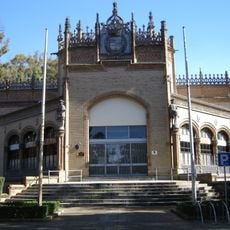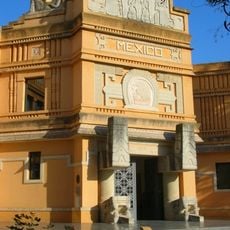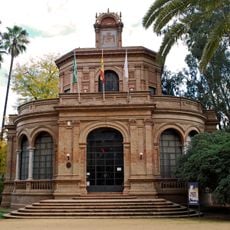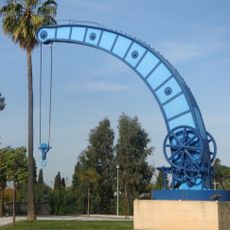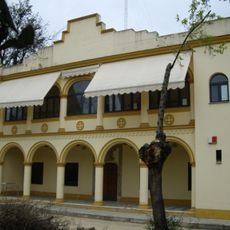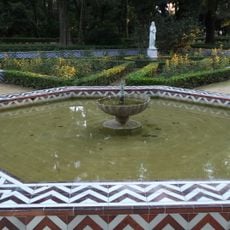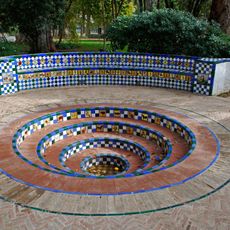
Pabellón de Brasil en la Exposición de 1929 de Sevilla, National pavilion in Parque de María Luisa, Spain.
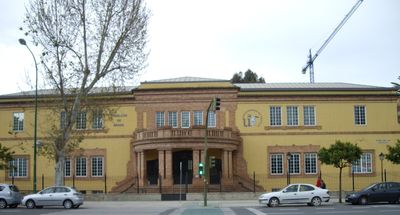
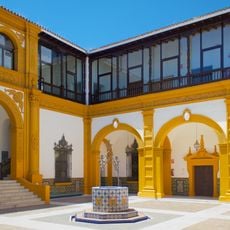
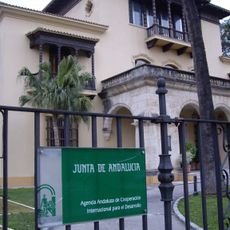
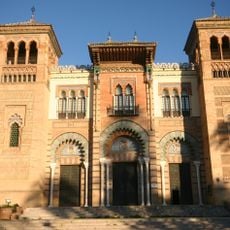
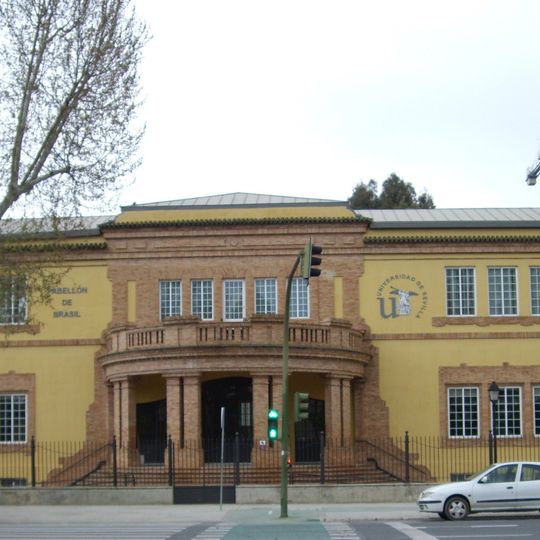
The Brazilian Pavilion was constructed in 1929 as an exhibition building and features a square floor plan with an interior courtyard. The structure combines exposed brick on its central facade with ochre-colored walls and currently houses administrative offices.
The building was created for the 1929 Ibero-American Exhibition in Seville and was initially planned as a temporary structure. After the exhibition, it was transformed into a permanent building and underwent various modifications during this conversion.
The pavilion displays Brazilian architectural character from its era of construction, reflecting the artistic identity of Brazil in the 1920s. Visitors can still observe these design choices in the facade and interior spaces today.
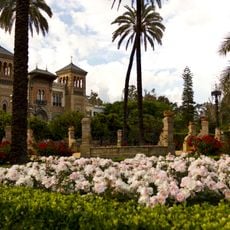
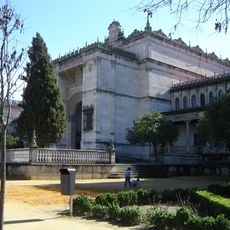
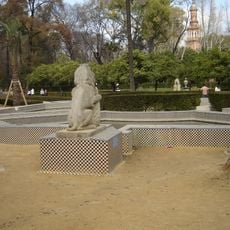
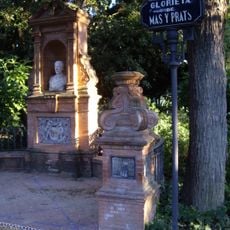
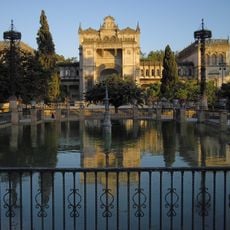
The building is located in Parque de María Luisa and now serves as an administrative center for the University of Seville. The site's location in the park is easy to reach and offers good views of other historic structures from the exhibition.
The interior of the building was finished with tropical woods imported from Brazil, creating a rare connection between the two countries. A distinctive semicircular staircase in the entrance hall elegantly connects the different levels of the structure.
The community of curious travelers
AroundUs brings together thousands of curated places, local tips, and hidden gems, enriched daily by 60,000 contributors worldwide.