Convento de Santa Paula, Sevilla
Convento de Santa Paula, Sevilla, Gothic monastery in San Julián district, Seville, Spain.
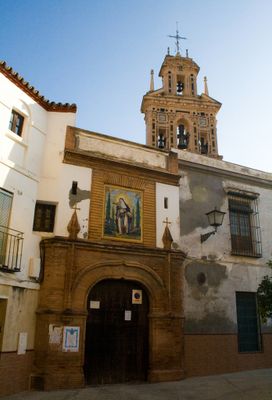
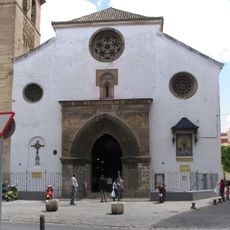
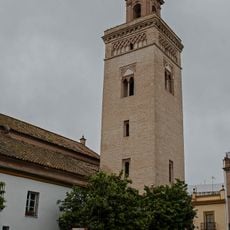
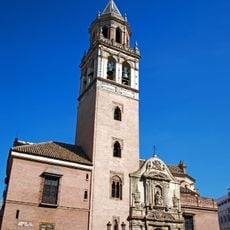
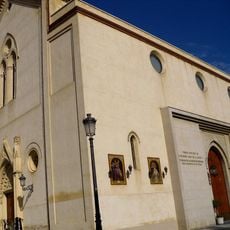
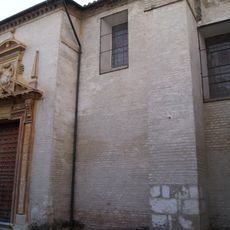
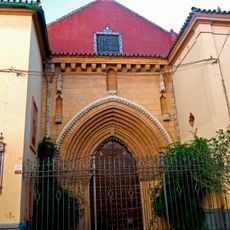
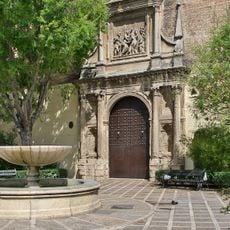
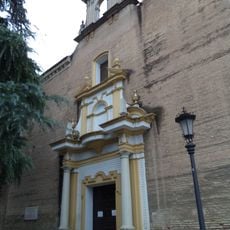
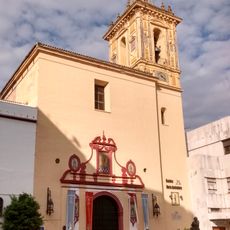
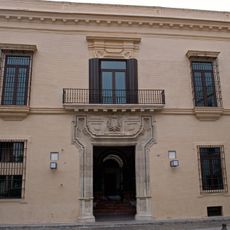
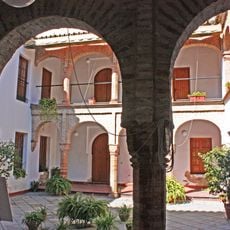
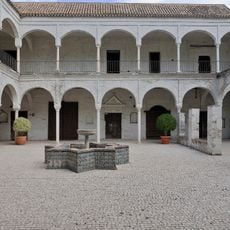
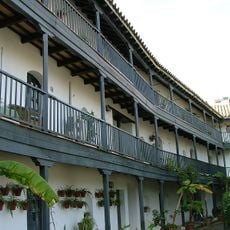
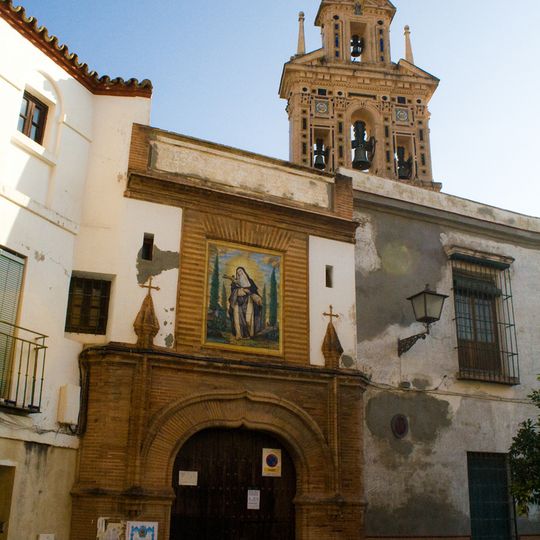
Convento de Santa Paula is a female monastery in Seville with a brick-and-tile entrance structure, a single-nave church, and a cloister dating from the 16th century. The cloister displays both Gothic and Renaissance architectural features throughout its design.
The complex was founded in 1473 and became one of the first monasteries in Seville to receive official recognition as a historical monument. This early designation reflected its importance in shaping the city's religious architecture.
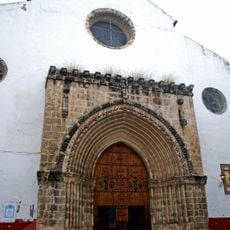
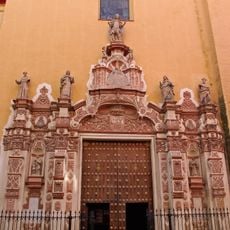
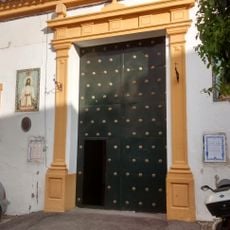
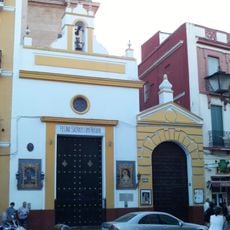
The entrance portal shows a blend of Gothic, Mudéjar, and Renaissance styles, reflecting how different artistic traditions met in Seville. The nuns living here shape the place through their daily presence and work within the community.
The monastery is open most days of the week, with morning and early evening hours that allow visitors flexibility in planning their visit. It is advisable to check the exact opening hours before arriving, as these may vary depending on the season.
The nuns living here have made and sold regional sweets such as jams, candies, and cakes for more than 500 years. This craft tradition remains part of daily life at the monastery and draws visitors interested in purchasing these handmade items.
Location: Seville
GPS coordinates: 37.39627,-5.98558
Latest update: December 6, 2025 17:41
Seville reveals its story through the marks of many years. The Cathedral and its Giralda tower show the change from Gothic to baroque. The Royal Alcázar mixes Islamic designs with gardens shaded by orange trees. Walking through the streets, you move from the narrow alleys of Santa Cruz to the open views of Plaza de España, built in the early 20th century with channels and colorful tiles. Maria Luisa Park gives a break under the Mediterranean trees, not far from the Metropol Parasol with its modern wooden shapes that stand out against the old buildings. Along the Guadalquivir River, the Torre del Oro hints at how important the river was in medieval times. The Triana Bridge connects the city center to the pottery and sailor neighborhoods. Places like the Fine Arts Museum and the Hospital de los Venerables open doors to spaces where art and architecture meet. Each spot tells a different part of the story, with no one dominating.
Palacio de las Dueñas
361 m
Iglesia de Santa Catalina
419 m
Iglesia de Omnium Sanctorum
633 m
Iglesia de San Marcos
172 m
Iglesia de San Pedro (Sevilla)
555 m
Santuario de los Gitanos, Sevilla
204 m
Monasterio de Santa Inés
524 m
Feria Market
638 m
Iglesia de San Julián
280 m
Convento de Padres Capuchinos
525 m
Iglesia de San Juan de la Palma
494 m
Convent of Santa Isabel
136 m
Antiguo Convento de Padres Terceros
293 m
Church of San Hermenegildo, Sevilla
460 m
Basílica de Santa María Auxiliadora, Sevilla
509 m
Church of Santiago, Seville
550 m
Palacio del Pumarejo
561 m
Capilla de Monte-Sion
525 m
Archivo Histórico Provincial de Sevilla
510 m
Palacio de Villapanés
522 m
Hemeroteca Municipal de Sevilla
517 m
Casa del Rey Moro
129 m
Convento de Santa María de los Reyes
539 m
Corral del Conde
475 m
Edificio del Archivo General de Andalucía
508 m
Antiguo Hospicio Provincial y Capilla Doméstica
300 m
Antiguo laboratorio municipal
296 m
Fábrica de vidrio La Trinidad
660 mVisited this place? Tap the stars to rate it and share your experience / photos with the community! Try now! You can cancel it anytime.
Discover hidden gems everywhere you go!
From secret cafés to breathtaking viewpoints, skip the crowded tourist spots and find places that match your style. Our app makes it easy with voice search, smart filtering, route optimization, and insider tips from travelers worldwide. Download now for the complete mobile experience.

A unique approach to discovering new places❞
— Le Figaro
All the places worth exploring❞
— France Info
A tailor-made excursion in just a few clicks❞
— 20 Minutes