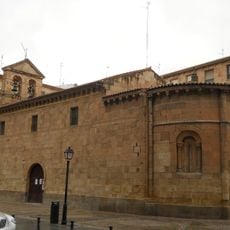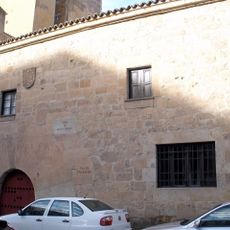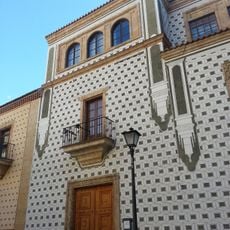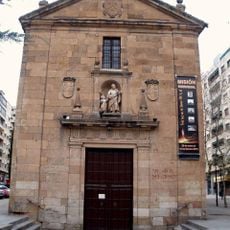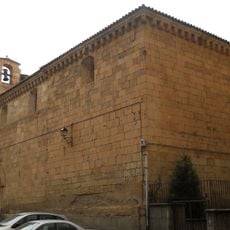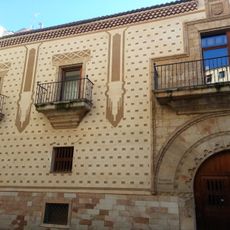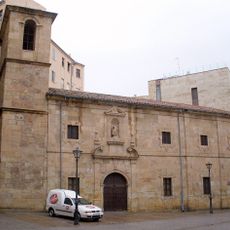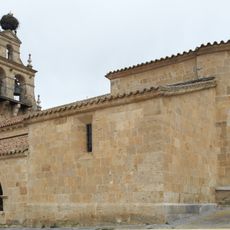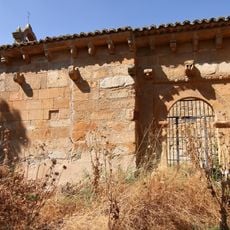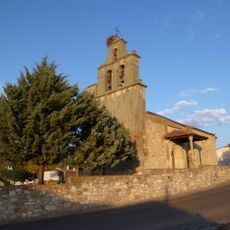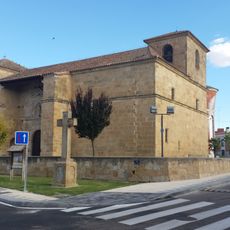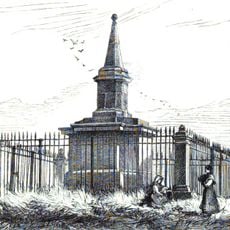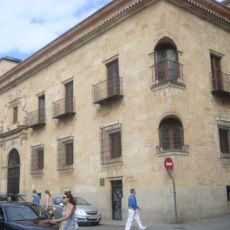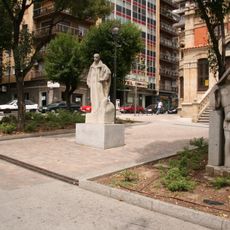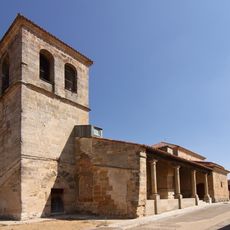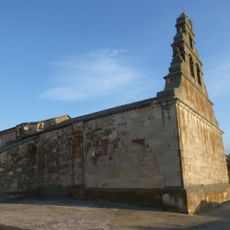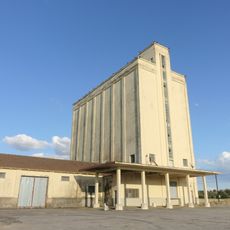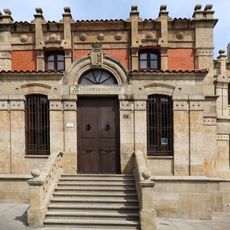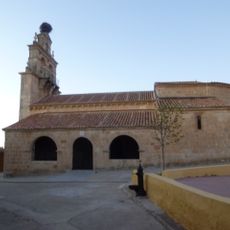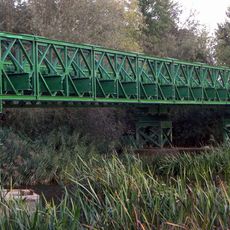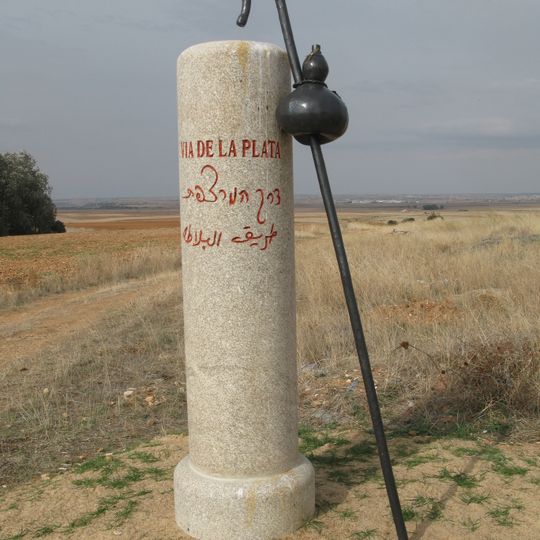
Vía de la Plata, Roman road between the Spanish provinces of León, Zamora, Salamanca, Cáceres and Badajoz, Spain.
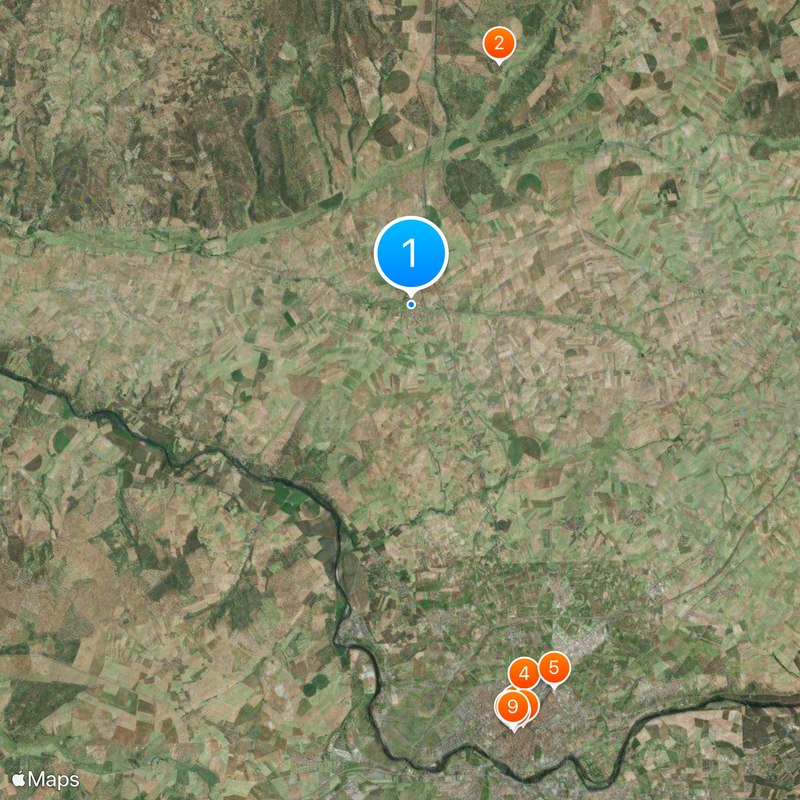
The Vía de la Plata is an ancient Roman road that stretches roughly 800 kilometers (500 miles) from Mérida to Astorga through the western part of the Iberian Peninsula. The route crosses five provinces and connects numerous historic towns and archaeological sites along the way.
Roman engineers built this connection in the first century to ease troop movements and link strategic settlements together. During the Middle Ages, the route evolved into an important pilgrimage path toward Santiago de Compostela.
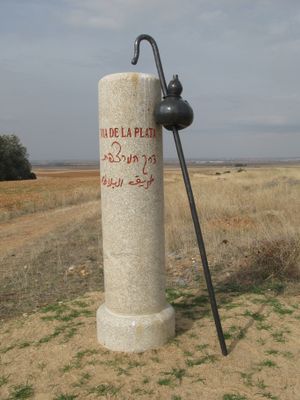
The name does not derive from silver but probably from the Arabic word for paved road, referring to the well-preserved Roman stone sections. Pilgrims today still cross several original Roman bridges as they walk through small villages and open fields.
Travelers can explore the route on foot or by bicycle, with numerous accommodations and rest stops available at regular intervals. The flatter southern sections suit beginners well, while the northern parts become hillier.
Milestones from the second and third centuries still stand along the path and mark distances between ancient stations. Some sections show to this day the deep grooves that Roman cart wheels carved into the stone.
The community of curious travelers
AroundUs brings together thousands of curated places, local tips, and hidden gems, enriched daily by 91,661 contributors worldwide.