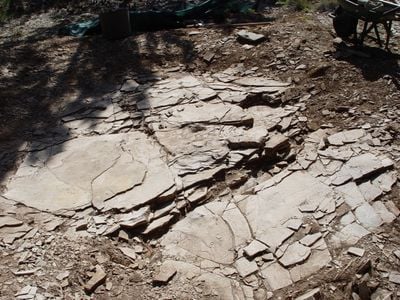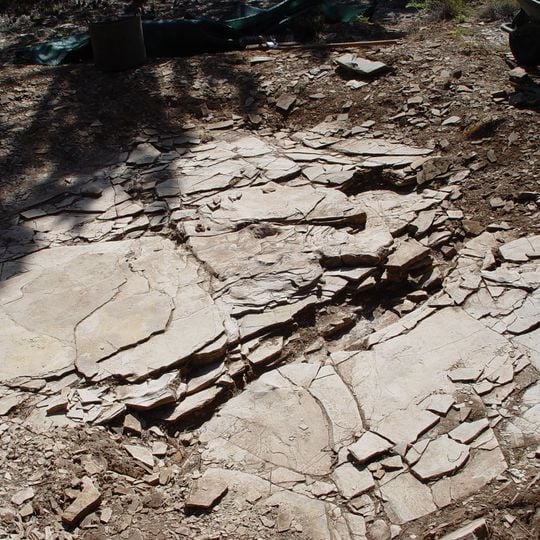
Las Hoyas, Paleontological site in La Cierva, Spain.
Las Hoyas is a paleontological site in La Cierva that preserves fossils within limestone rock layers formed from ancient freshwater wetlands. The deposit contains remains of plants and animals from the Early Cretaceous period, approximately 125 million years ago.
Scientists discovered this site in the 1980s, which prompted extensive research into its geological formations and fossil contents. These investigations revealed important information about life and environmental conditions during the early Cretaceous period.
The fossil collection from this site is displayed at the Paleontological Museum of Castilia-La Mancha in Cuenca, helping visitors understand the prehistoric past of the region. Through these exhibits, people can connect with the ancient world that once existed in this area.
The site is protected by law and visitors typically need permission from regional authorities to access it. It is best to contact local museums or researchers beforehand to learn how to arrange a visit.
The discovery of Pelecanimimus polyodon, an ornithomimosaur dinosaur, took place at this location and was the first of its kind found in Europe. This finding brought international recognition to the area as an important paleontological location.
The community of curious travelers
AroundUs brings together thousands of curated places, local tips, and hidden gems, enriched daily by 60,000 contributors worldwide.