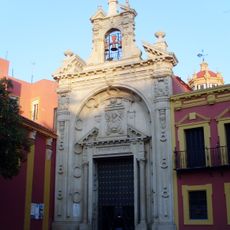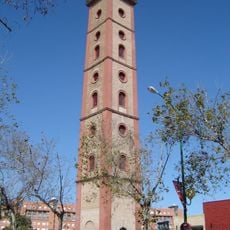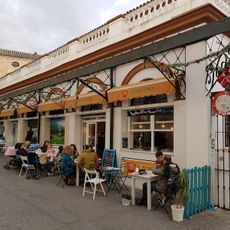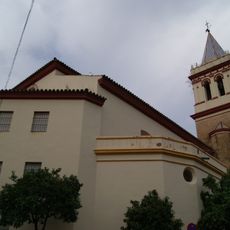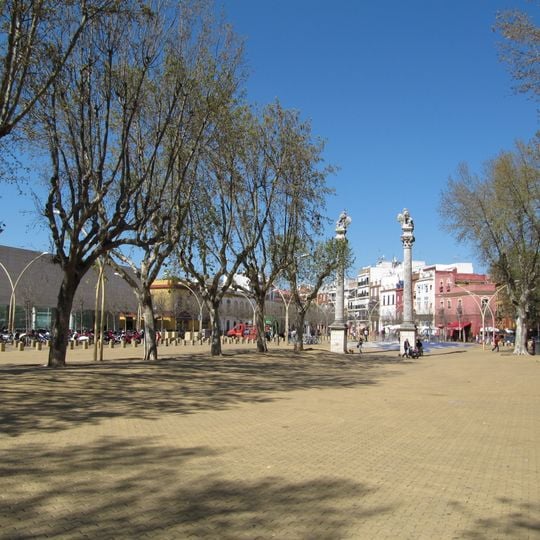
Alameda de Hércules, promenade in Seville, Spain
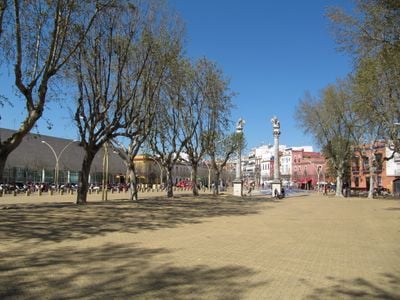
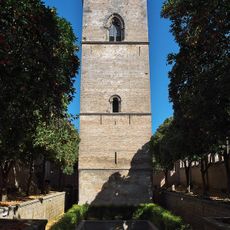
The Alameda de Hércules is an avenue in Seville featuring a broad open space with trees, walkways, and seating areas arranged in a linear design. At each end stand tall stone columns topped with sculptures, while fountain installations and various tree species provide shade and vegetation throughout the park.
This space was created in the 1570s by transforming a lagoon that had formed from shifts in the Guadalquivir River course. The columns with statues were built in the 16th century and later expanded with additional monuments during the 18th century.
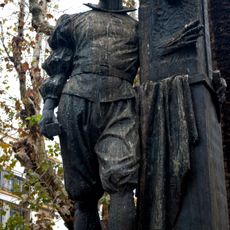
The Alameda de Hércules served as a gathering place for people of all social backgrounds, transforming from an exclusive area for the wealthy to a popular public space over several centuries. The monuments here, featuring statues of Hercules and Julius Caesar, represent the city's connection to its Roman and legendary past.
You can reach the Alameda de Hércules using bus lines 13 and 14, which provide easy access to this location. Visit when the weather is pleasant so that shade from the trees makes the area comfortable for walking and resting throughout the day.
In the 16th century, the lagoon was deliberately drained to combat diseases like fever and plague that came from standing water. The white poplar trees planted then helped dry the land while eventually giving the space its name.
The community of curious travelers
AroundUs brings together thousands of curated places, local tips, and hidden gems, enriched daily by 92,834 contributors worldwide.