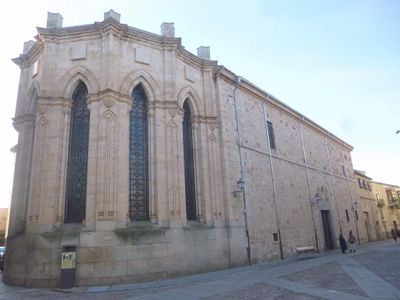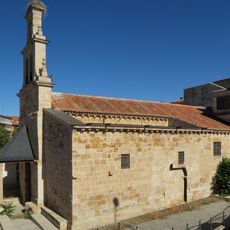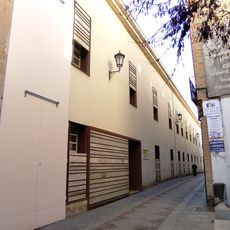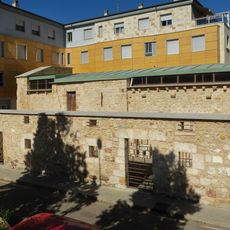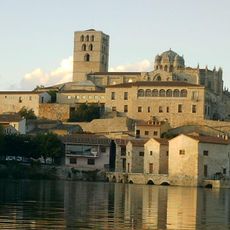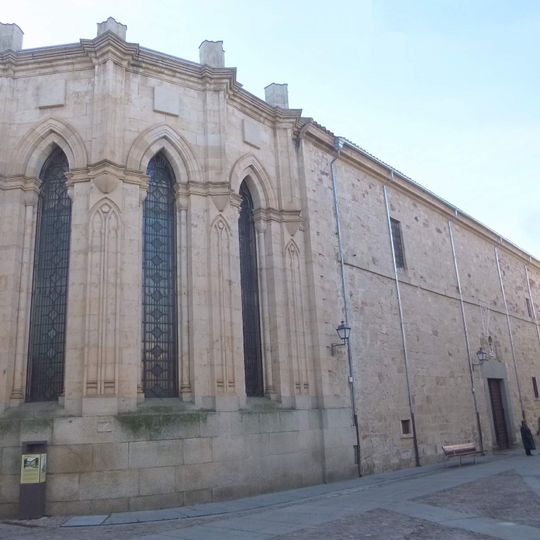
Convento del Tránsito, Zamora, cultural property in Zamora, Spain
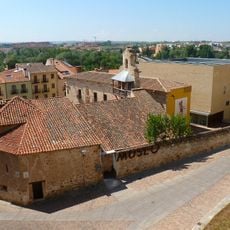
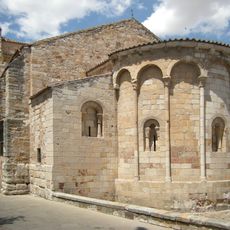
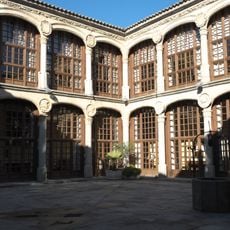
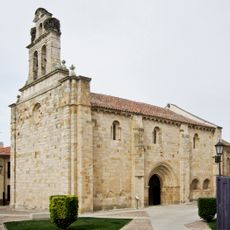
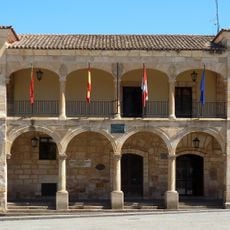
The Convento del Tránsito is a 16th-century convent in central Zamora founded by benefactors Ana de Osorio and Juan de Carbajal as a home for the Poor Clares. Its rectangular two-story cloister forms the building's core, featuring Doric columns on the ground floor and Ionic columns above, supported by carved wooden brackets and timber joinery in the eaves.
The convent was founded in the early 1500s after Ana de Osorio bequeathed her house and property in her will to establish a monastery for the Poor Clares. The building's architecture and organization reflect 16th-century religious order, and it was declared a cultural heritage site in 1996 to protect its historical value.
The convent's name reflects its dedication to the Corpus Christi feast and the veneration of the Virgin of the Tránsito, which shapes the spiritual life of the community to this day. Visitors can observe how people come regularly to light candles and pray in silence, demonstrating how the monastery has remained a center of devotion for Zamora across centuries.
The convent is located on Rúa de los Francos in central Zamora, within walking distance of other historic sites and easily accessible. The interior spaces are quiet and welcoming for visitors, allowing you to explore the original rooms and cloister without requiring special physical abilities.
The convent houses a venerated sculpture of the Virgin of the Tránsito, a sleeping Mary that according to local legend was carved by two mysterious pilgrims who vanished without a trace after completing it. The figure is watched by the faithful for one particular feature: it is said to be missing a finger that angels supposedly failed to finish before departing the work.
The community of curious travelers
AroundUs brings together thousands of curated places, local tips, and hidden gems, enriched daily by 90,804 contributors worldwide.