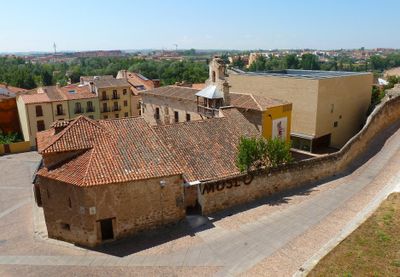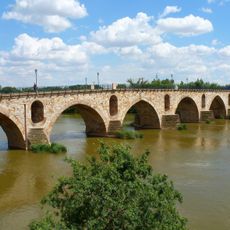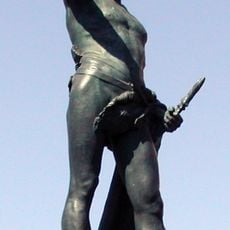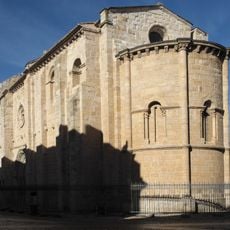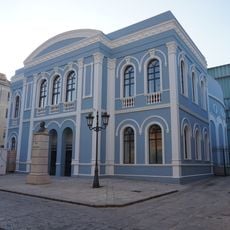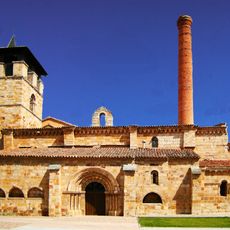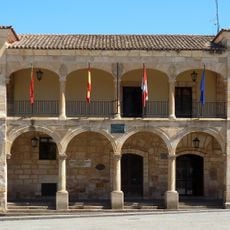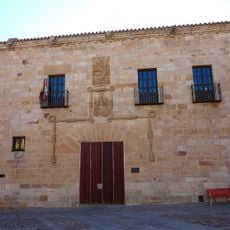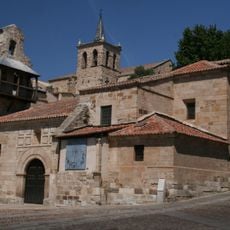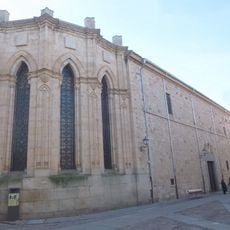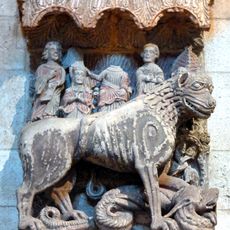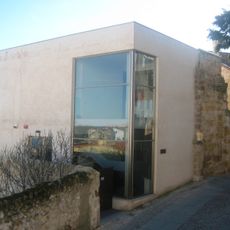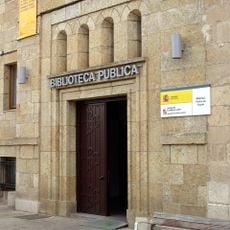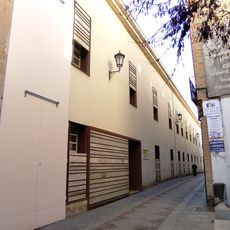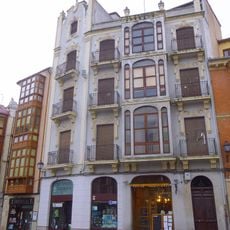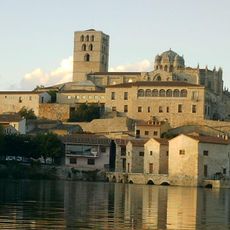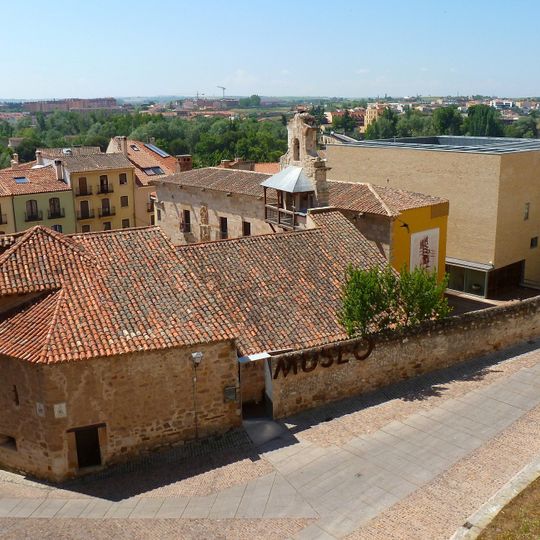
Museo de Zamora, Provincial museum in Plaza de Santa Lucía, Zamora, Spain.
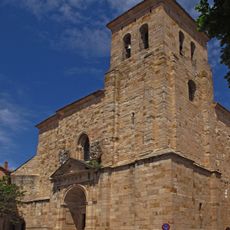
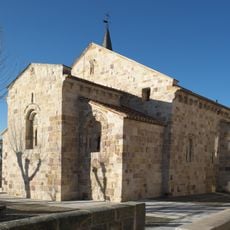
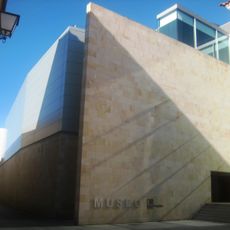
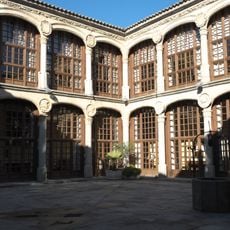
The Museo de Zamora occupies three connected structures: a section of Palacio del Cordón, Santa Lucía Church, and modern galleries designed by architects Mansilla and Tuñón. The spaces hold archaeological finds, religious artworks, and pre-Columbian objects from across the province.
The institution originated from 19th century ecclesiastical confiscations that brought together artworks from closed monasteries and convents throughout the province. This collection formed the foundation for what exists today.
The archaeological collection displays grave goods from the Bell Beaker culture found in Villabuena del Puente and Roman mosaics from the villa of Requejo. These objects tell the story of people who lived in this region thousands of years ago.
The storage area in Santa Lucía Church contains large-format works and requires advance booking or attendance at free guided tours offered on first Sundays. Plan extra time if you want to see all sections, especially pieces held in the church wing.
The collection includes Visigothic votive gold crosses from Villafáfila dating to the 7th century, rarely displayed in museums. These religious objects showcase the craftsmanship and faith of early medieval communities in the region.
The community of curious travelers
AroundUs brings together thousands of curated places, local tips, and hidden gems, enriched daily by 90,829 contributors worldwide.