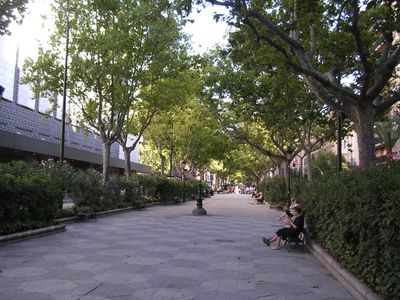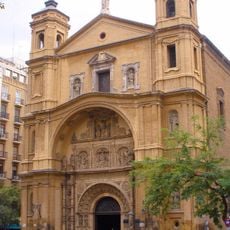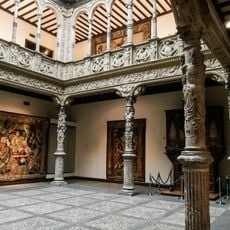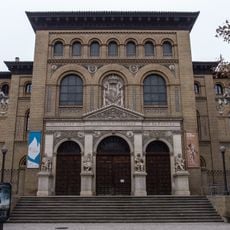
Paseo de Sagasta, Modernist boulevard in Zaragoza, Spain.
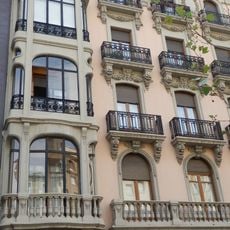
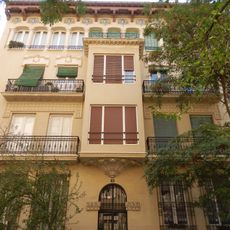
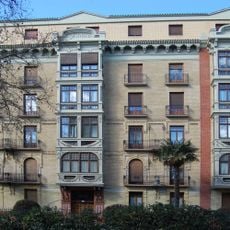
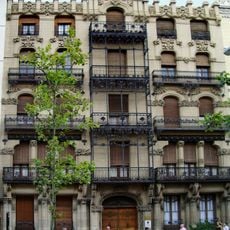
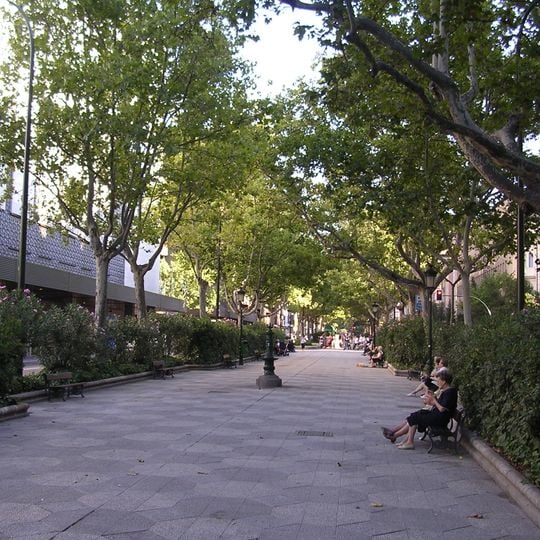
The Paseo de Sagasta is a broad avenue in Zaragoza that runs from Plaza Paraíso to Paseo Cuéllar, bordered by residential buildings spanning different architectural periods. The street displays a mix of styles ranging from Modernism to later construction methods, reflecting how the city expanded during the 1900s.
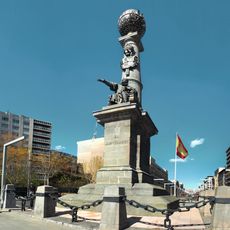
The Paseo de Sagasta began as a path from the Santa Engracia gate across the Huerva River toward Torrero and held strategic importance during the French siege of 1808. By the 1800s, the route evolved into a major urban avenue that guided the city's expansion northeastward.
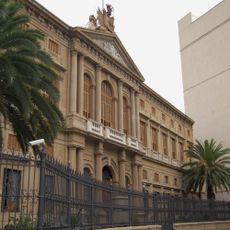
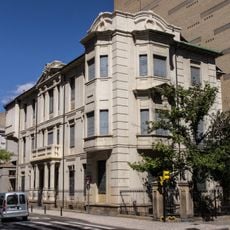
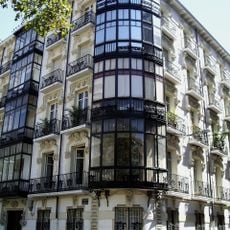
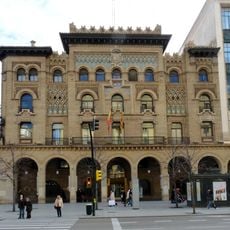
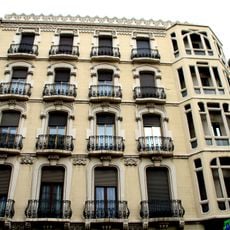
The street displays numerous architectural works from the early 1900s, including Casa Juncosa, Casa Vela, and Casa Hournet, representing different design movements.
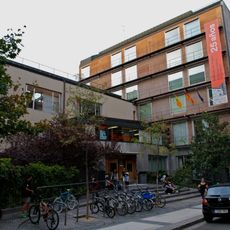
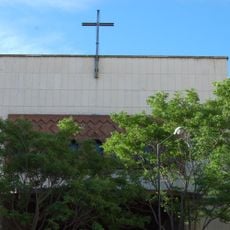
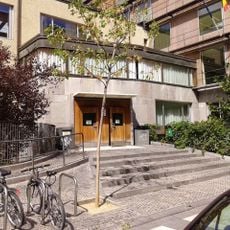
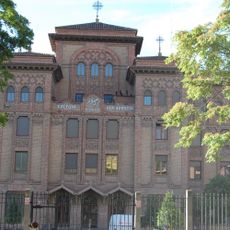
The avenue is easy to walk with wide sidewalks and clear direction from south to north, making navigation straightforward. Several schools and institutions line the route and serve as orientation points for those exploring the different architectural periods along the way.
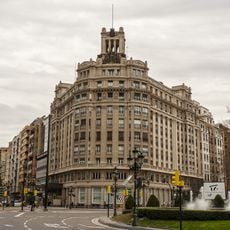
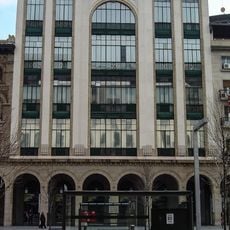
The Confederación Hidrográfica del Ebro building at number 24 was designed in 1936 by architects Regino and José Borobio and reflects the administrative style of that era. This structure stands out among the residential buildings and shows how public institutions integrated into the avenue's urban layout.
The community of curious travelers
AroundUs brings together thousands of curated places, local tips, and hidden gems, enriched daily by 60,000 contributors worldwide.