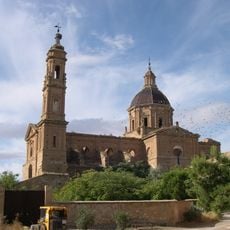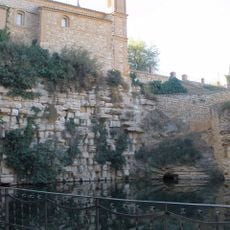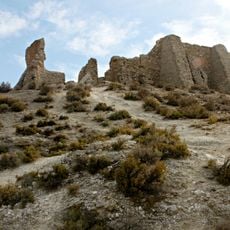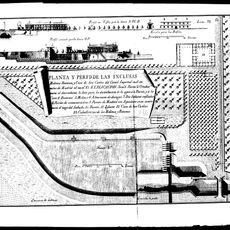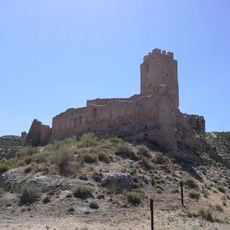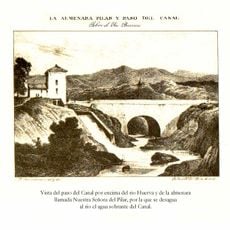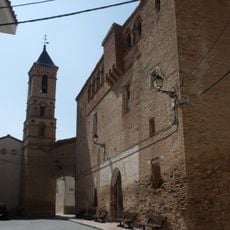
Contrebia Belaisca, Archaeological site in Botorrita, Spain.
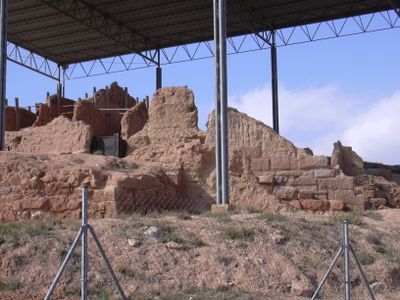
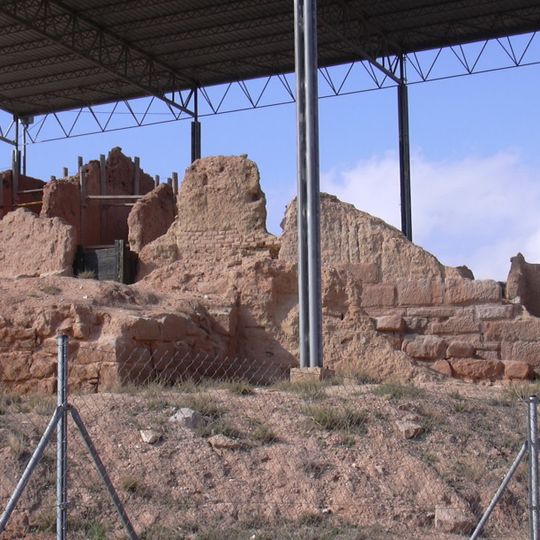
Contrebia Belaisca is an archaeological site on a hilltop called Cabezo de las Minas beside the Huerva River, southwest of Zaragoza. The remains spread across a large area, showing where this Celtiberian city once had its houses, storage areas, and defensive structures.
The settlement emerged in the 5th century BCE and was later reinforced with defenses in the 4th century BCE. It was destroyed when Julius Caesar conquered the region in 49 BCE.
The settlement reveals how the Celtiberians organized their community, with spaces dedicated to administration and religious practice on the upper plateau. You can observe today how different areas served distinct purposes in daily life and how certain buildings held importance in local society.
The site is located fairly close to Zaragoza and is accessible by car or public transport. It helps to wear comfortable shoes since the terrain is hilly and you will need to walk to explore the ruins properly.
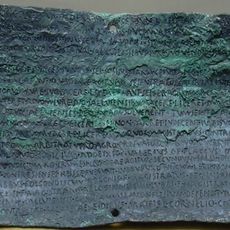
Bronze plaques with inscriptions were discovered at this location, written in two different languages from the local region. These plaques rank among the few surviving documents from that era, revealing how people recorded their laws and settled land disputes.
The community of curious travelers
AroundUs brings together thousands of curated places, local tips, and hidden gems, enriched daily by 60,000 contributors worldwide.