Castillo de Sancti Petri, Military fortress on Sancti Petri Island, Spain
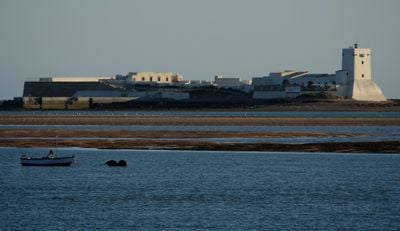
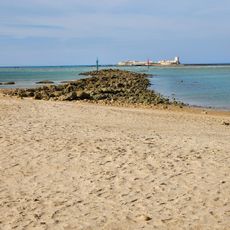
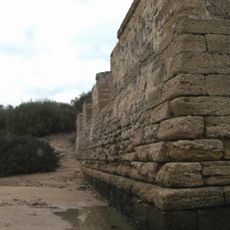
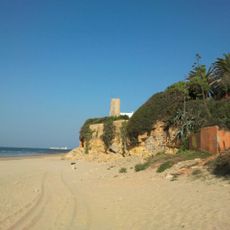
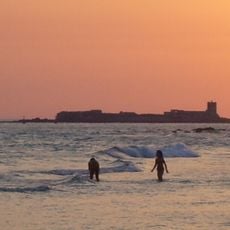
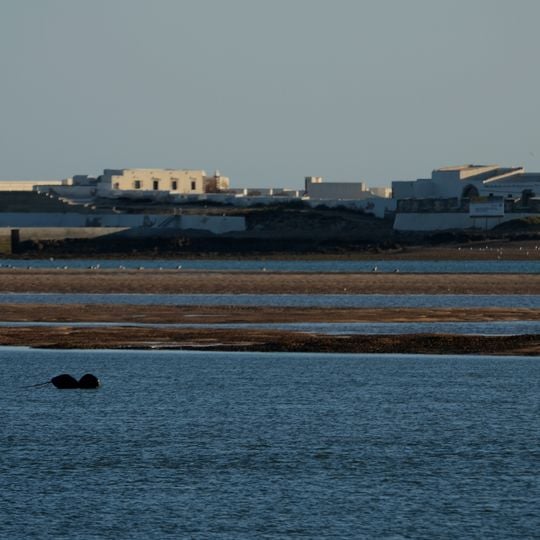
Castillo de Sancti Petri is a fortress on a small rocky island off San Fernando on the Atlantic coast of Spain. The complex consists of several layered defensive walls that wrap around the rocky base and rise to watchtowers at the highest points, while inside there are rows of casemates and storage rooms.
The first fortifications were built in 1610 under King Felipe III to secure the shipping routes to the Bay of Cádiz. Over the course of the 17th and 18th centuries Spanish military engineers repeatedly expanded the complex to withstand changing war techniques and repel attacks from the sea.
The name comes from a Phoenician sanctuary that once stood on the same rock and was later turned into a temple for Hercules by the Romans. Today visitors notice the massive stone walls and tall watchtowers that served for centuries as a symbol of sea power and still overlook the entrance to the bay.
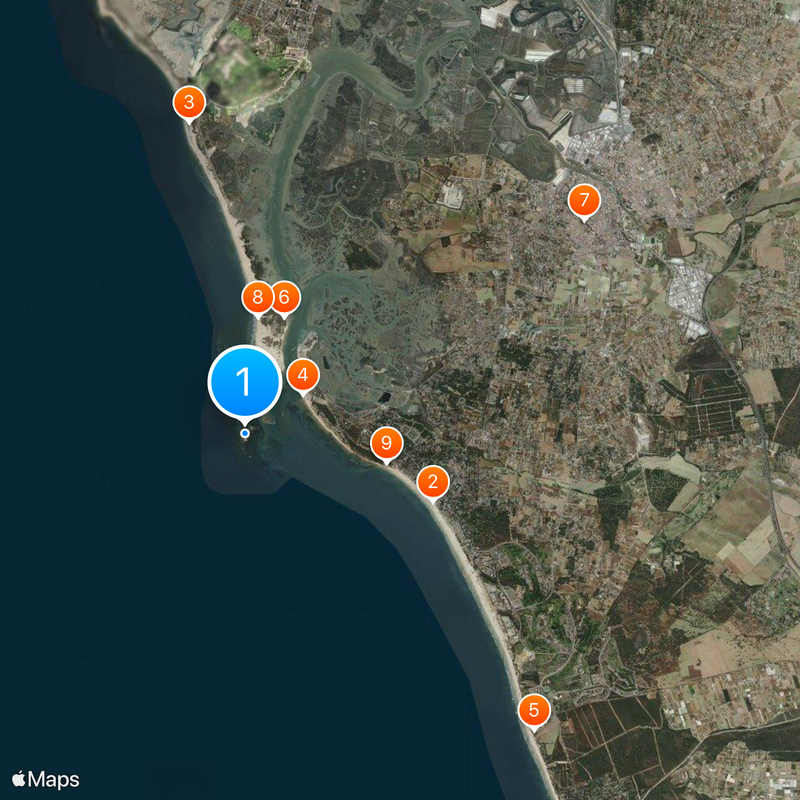
The island can only be reached by boat from San Fernando or Chiclana de la Frontera, with the crossing depending on wind and wave conditions. A mobile app accompanies the walk and explains the different areas of the fortress in several languages.
Between the 16th and 19th centuries the fortress served at times as a state prison for political prisoners and high-ranking captives. Moorish architectural elements from the 13th century are still visible in the walls and were incorporated into the military architecture during later expansions.
The community of curious travelers
AroundUs brings together thousands of curated places, local tips, and hidden gems, enriched daily by 91,016 contributors worldwide.