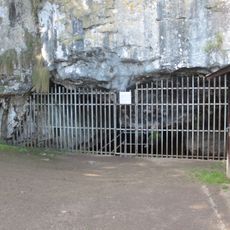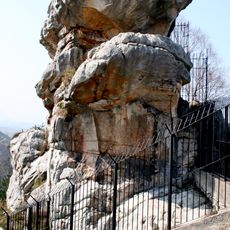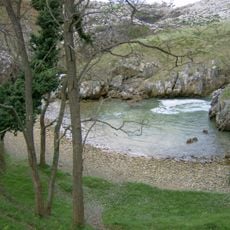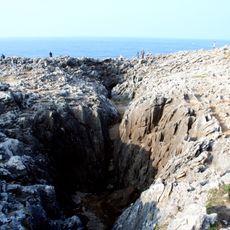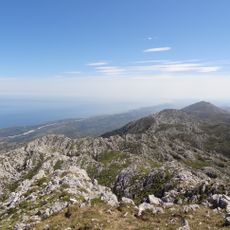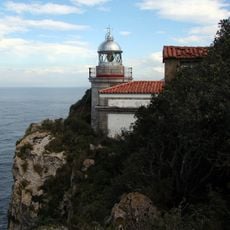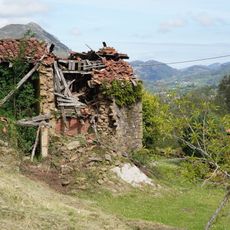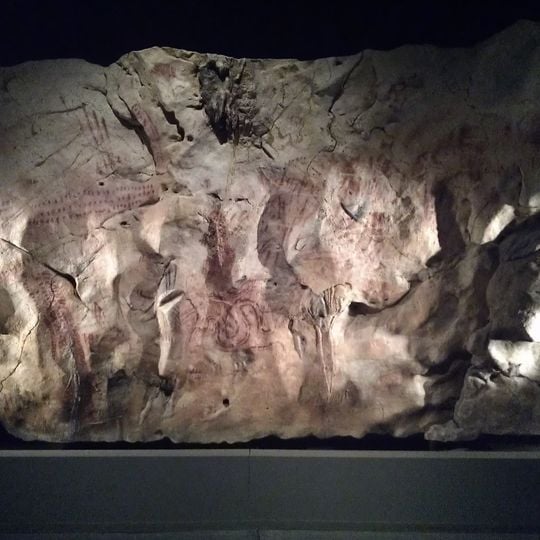
Cueva de Llonín, Prehistoric art cave in Peñamellera Alta, Spain.
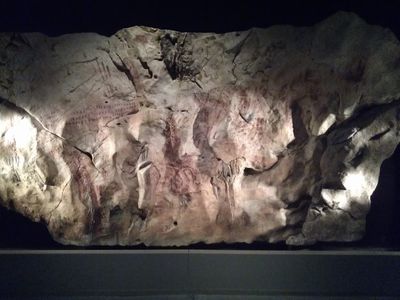
Cueva de Llonín is a cave situated along a narrow valley near the Cares River, containing prehistoric engravings and paintings spread across multiple chambers. The artworks depict various animals including deer, goats, bison, and reindeer horns carved and painted onto the rock surfaces by ancient hands.
The cave was discovered in 1957 when workers involved in cheese production noticed traces of ancient artworks in its passages. Speleologists formally identified and documented the prehistoric engravings and paintings in 1971, recognizing the site as a significant record of Gravettian and Magdalenian artistic expression.
The animal representations inside reflect the artistic traditions of people living thousands of years ago, who used natural rock surfaces as their canvas. Visitors today can observe how these artists carefully chose and decorated specific wall sections, showing their deep connection to the animals they depicted.
Visits require guided tours to protect the site, as it is part of a UNESCO World Heritage designation that demands careful management. Wear sturdy footwear and layers, since the cave floor is uneven and the air inside stays cool and humid throughout the year.
The site was discovered by chance when cheese makers were fermenting Cabrales cheese in the cave's chambers. This accidental finding by food producers rather than archaeologists gives the site an unusual story - ancient art hidden by an everyday craft tradition.
The community of curious travelers
AroundUs brings together thousands of curated places, local tips, and hidden gems, enriched daily by 90,804 contributors worldwide.