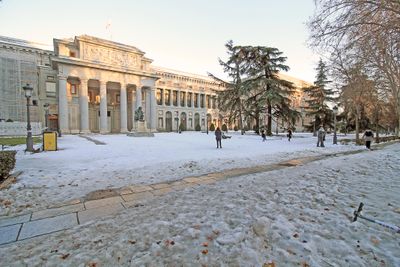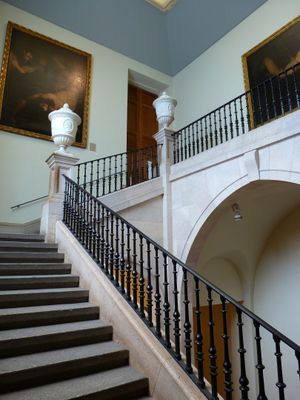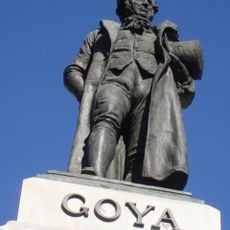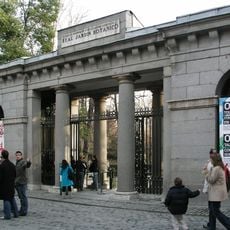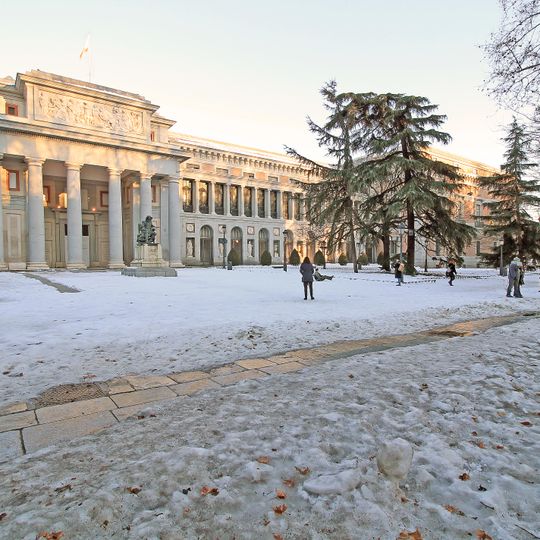
Villanueva building, Neoclassical museum building in Jerónimos district, Madrid, Spain
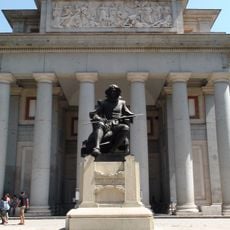
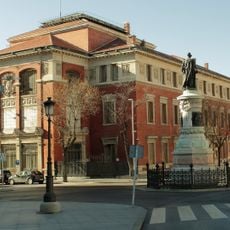
The Villanueva building is a neoclassical museum structure with symmetrical proportions, a central portico supported by Doric columns, and two lateral wings extending from the main facade. Modern extensions connect through underground corridors, providing additional exhibition spaces and improved circulation throughout the museum complex.
Construction began in 1785 under Charles III as a Natural History Cabinet, but Napoleon's troops used it as barracks during the War of Independence. After restoration, it opened as an art museum and became Spain's most important art institution.
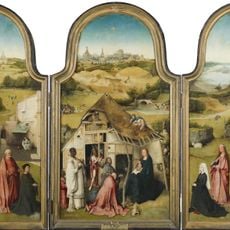
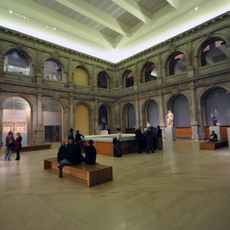
The building houses the main galleries of the Prado Museum, which opened in 1819 with a collection of Spanish paintings and royal art pieces. The rooms are walked through daily by visitors who come to see works by Spanish and European masters.
The building is centrally located in the Jerónimos district and is easily accessible on foot from major nearby sites. The underground connections make it convenient to navigate between different exhibition areas without repeated visits to ground level.
The stone facade was built from granite quarried in the Sierra de Guadarrama and white limestone from Colmenar, materials chosen for their durability. These local materials give the building a distinct appearance that set it apart from many other European museums of its time.
The community of curious travelers
AroundUs brings together thousands of curated places, local tips, and hidden gems, enriched daily by 90,753 contributors worldwide.