Museum of Jaén, Art and archaeological museum in Jaén, Spain.
The Museo de Jaén is an art and archaeology museum with two main collections spanning from ancient times to the 20th century. The galleries are arranged to let you see how art and historical finds developed side by side across different periods in the region.
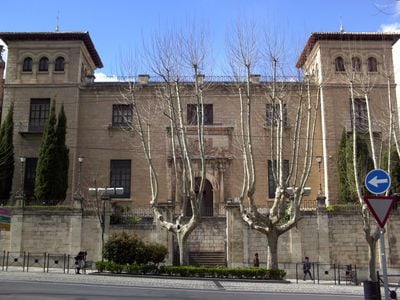
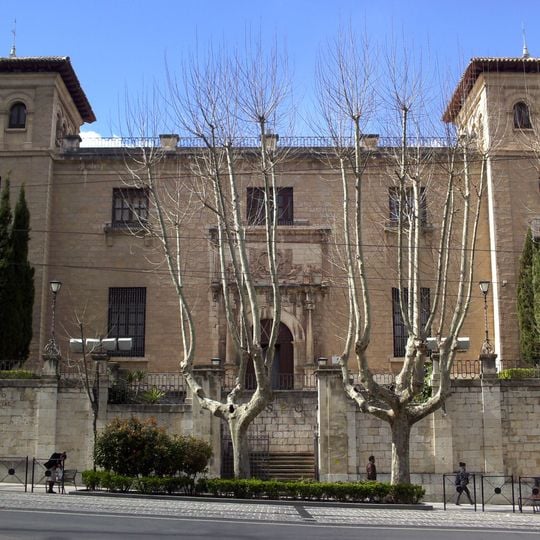
The museum began in 1846 as the Museo de Pintura in the Convento de la Compañía de Jesús, showing works from the Mendizábal confiscation. In 1914 it became the Museo Provincial de Bellas Artes at the Palacio de la Diputación, directed by Alfredo Cazabán Laguna. In 1920 José del Prado y Palacio pushed for a new building on the Paseo de la Estación, designed by Antonio Flórez Urdapilleta and finished in 1920. In 1969 it merged with the archaeological museum founded in 1963, forming the Museo Provincial de Jaén.
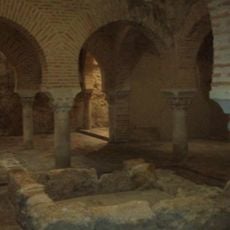
The archaeological wing displays artifacts from many periods that shaped the region, including Roman mosaics and objects from Iberian, Visigothic, and medieval Islamic times. These pieces show the different peoples who lived here over thousands of years.
The main building faces Paseo de la Estación, set on a raised platform reached by two flights of stairs; the entrance is not step-free. Archaeology occupies the ground floor and mezzanine, fine arts the upper floor. Two annex buildings by Luis Berges Roldán hold offices, laboratories, stores and temporary exhibitions, with the Porcuna sculptures in the northern annex's basement.
Two standout pieces in the collection are the Iberian sculpture Lobo de El Pajarillo and the Guerrero de la doble armadura, both significant regional archaeological finds. These works reveal the skill of ancient craftspeople and are recognized throughout Spain.
The community of curious travelers
AroundUs brings together thousands of curated places, local tips, and hidden gems, enriched daily by 94,837 contributors worldwide.