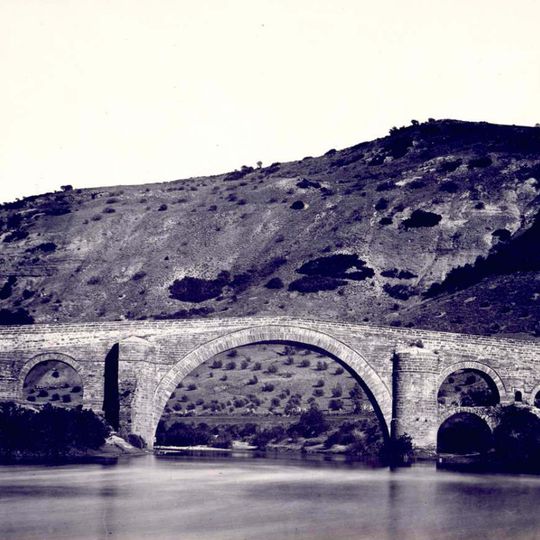
Puente Ariza, Renaissance bridge in Úbeda, Spain.
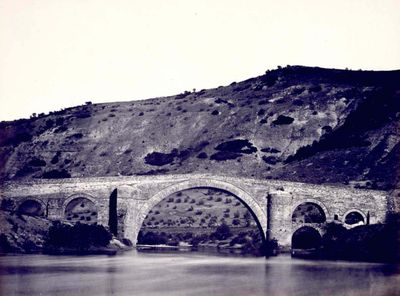
Puente Ariza is a stone bridge spanning the Guadalimar River with five barrel vaults built during the Renaissance period. The central arch shows distinctive geometric proportions and was constructed with considerable technical skill.
Construction took place between 1562 and 1563 under the direction of Andrés de Vandelvira, a leading architect of the era. The project was funded by Diego de los Cobos y Molina, the Bishop of Jaén, who supported this important infrastructure investment.
For centuries, the bridge served as a vital crossing point for travelers and pilgrims moving between different regions of Andalusia. It shaped the landscape and became woven into the daily life of people in the area.
The structure lies submerged under the Giribaile Reservoir and is normally not accessible, though it becomes visible during severe drought conditions. Visitors should check local conditions before traveling to see if viewing is possible at that time.
The bridge features distinctive double-ring openings and a rare combination of semicircular protective structures on one side of the river with triangular shapes on the other. This unusual design helped manage water pressure and sediment flow more effectively.
The community of curious travelers
AroundUs brings together thousands of curated places, local tips, and hidden gems, enriched daily by 91,126 contributors worldwide.