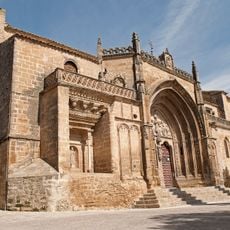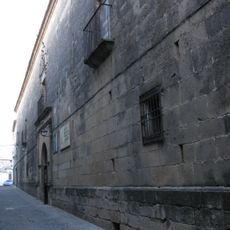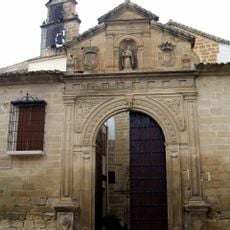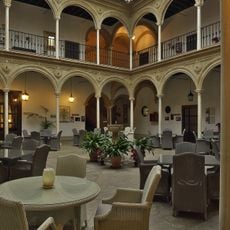
Renaissance Monumental Ensembles of Úbeda and Baeza, Renaissance architectural complex in Úbeda and Baeza, Spain
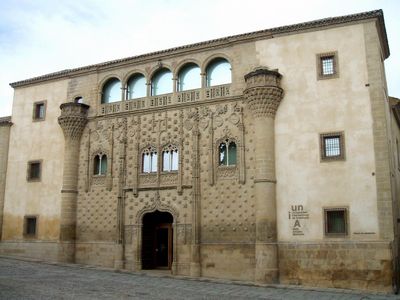
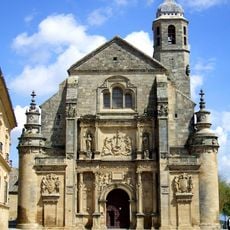
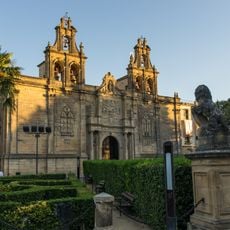
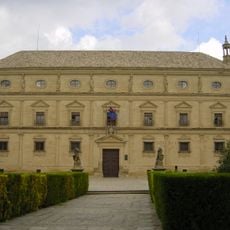
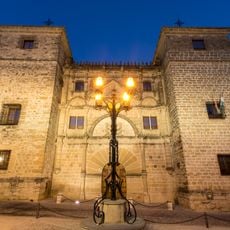
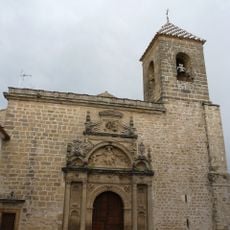
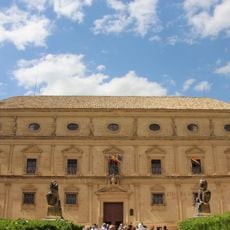
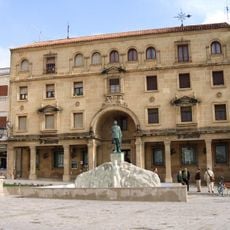
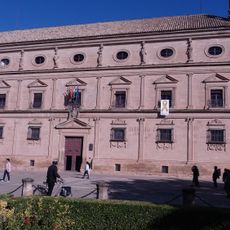
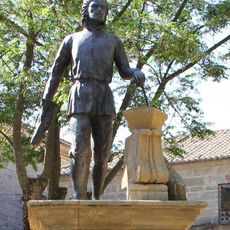
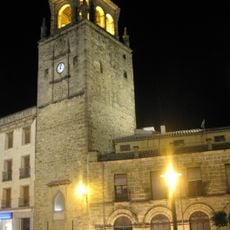
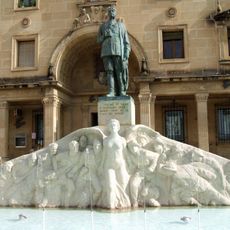
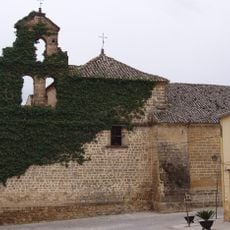
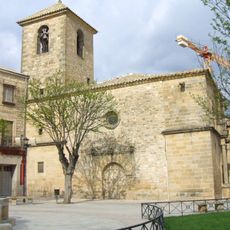
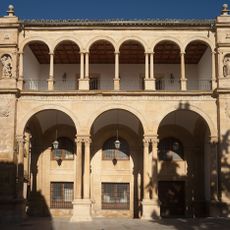
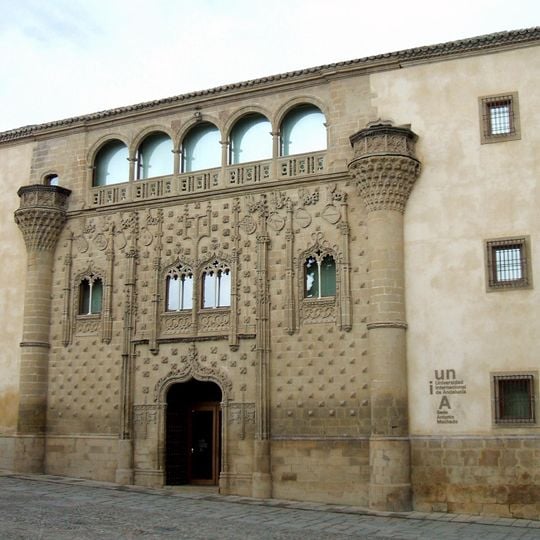
These monumental ensembles in Ubeda and Baeza are two neighboring towns in Jaen province with a remarkable collection of palaces, churches, squares, and civic buildings from the 16th century. The structures follow Italian architectural principles and create a cohesive urban fabric that integrates art, religion, and governance in an orderly arrangement.
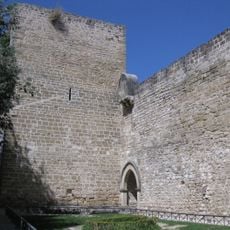
These towns began as Islamic fortifications in the 8th century and underwent a major transformation following Christian conquest during the medieval period. Their golden age arrived in the 16th century when commercial prosperity and political influence allowed wealthy merchants and nobles to construct these magnificent Renaissance buildings.
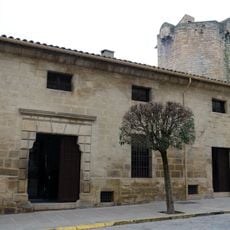
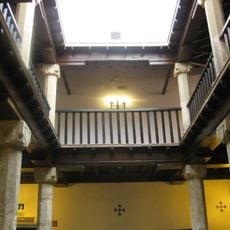
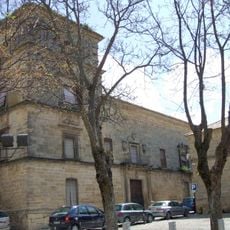
Ubeda showcases aristocratic residences with grand palaces, while Baeza centers on civic, religious, and educational buildings that complement each other in their urban layout. Together these towns reveal how merchants, clergy, and nobles shaped daily life and public spaces during the Renaissance period.
The best way to explore both towns is on foot, taking time to observe details of facades and courtyards. Guided tours in multiple languages are available and help visitors understand the architectural features and urban planning principles.
These sites mark the first introduction of Italian Renaissance principles to Spain, displaying this innovative architecture through original 16th-century structures. The largely unmodified buildings offer a rare window into how this style first developed outside Italy.
The community of curious travelers
AroundUs brings together thousands of curated places, local tips, and hidden gems, enriched daily by 92,363 contributors worldwide.