Tresabuela, Cultural heritage site in Polaciones, Spain
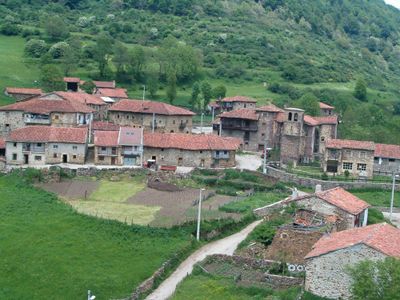
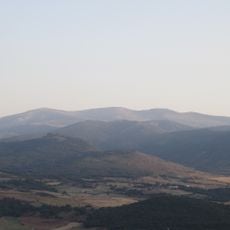
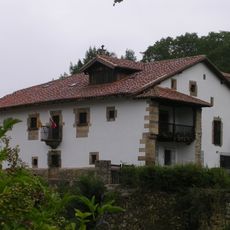
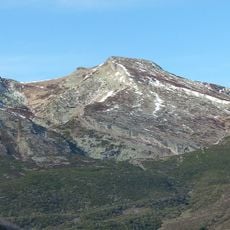
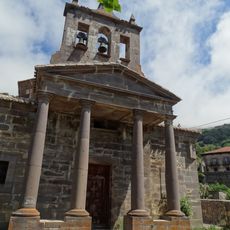
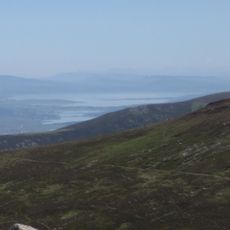
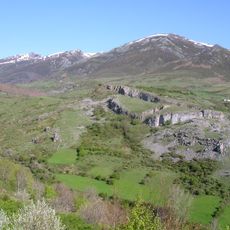
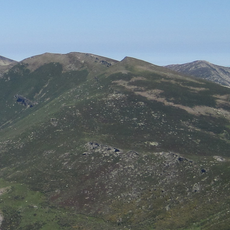
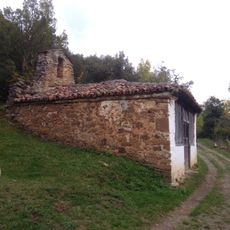
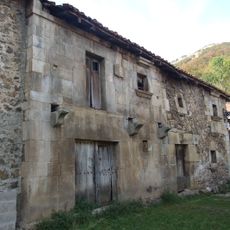
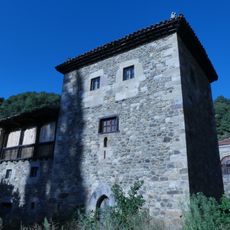
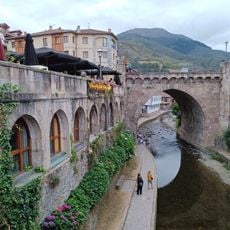
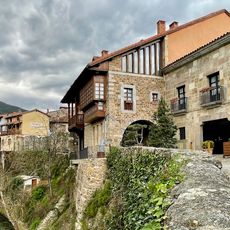
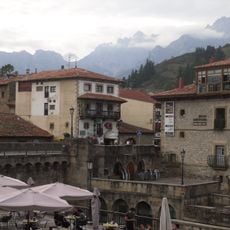
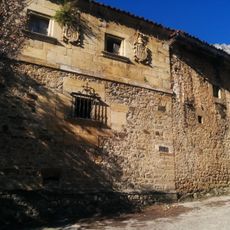
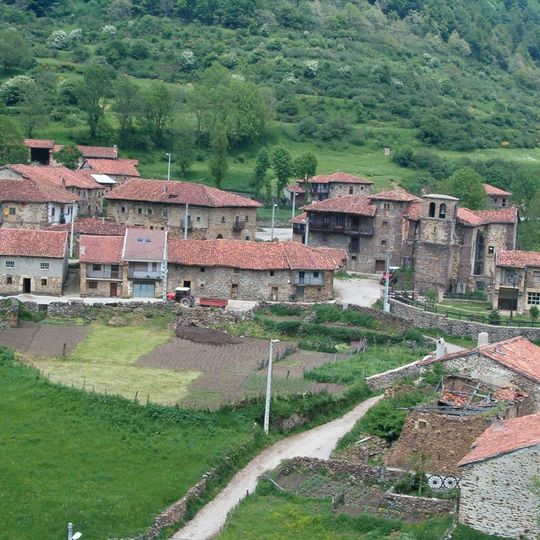
Tresabuela is a mountain village in Polaciones built along a steep slope at roughly 1050 meters, with houses constructed from local stone and traditionally designed. The settlement sits within a landscape of beech forests and hay meadows that define the surrounding valley.
The village first appears in a 1351 document called the Becerro de las Behetrías de Castilla, listed as part of the Liébana-Pernía district. This early record shows that Tresabuela had already developed into an established community by the 14th century.
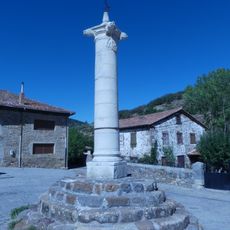
The name Tresabuela means "three grandmothers" and reflects the medieval family structure that shaped the village. Residents use the streets and gathering spaces in ways that maintain the character of a traditional mountain settlement.
A road of about three kilometers connects the village to Lombraña, the municipal center, winding through mountainous terrain. The walking paths around the settlement can be slippery underfoot, especially after rain or during damp weather.
The village preserves a 19th-century hydraulic structure called caño del Fuenteañón that combines a spring with a traditional drinking trough. This working installation shows how residents managed their water resources for daily use.
The community of curious travelers
AroundUs brings together thousands of curated places, local tips, and hidden gems, enriched daily by 60,000 contributors worldwide.