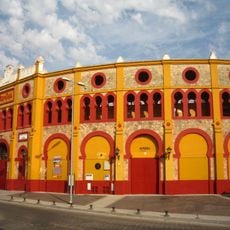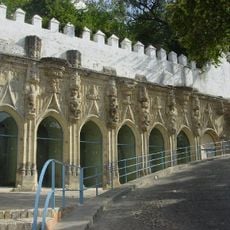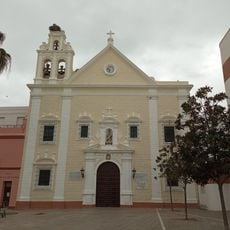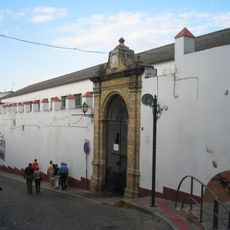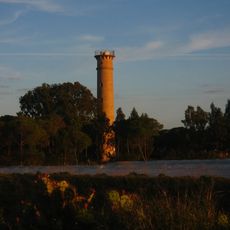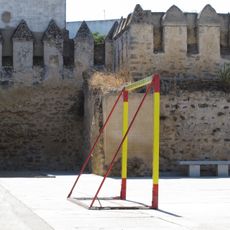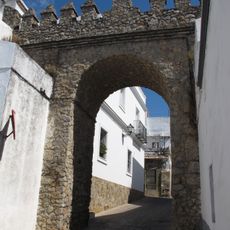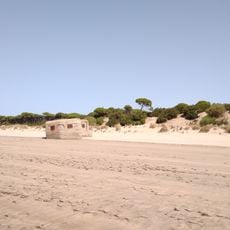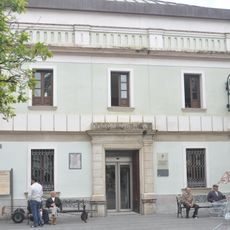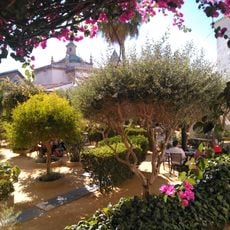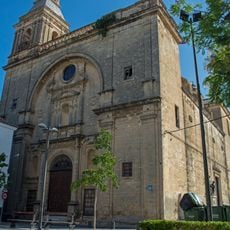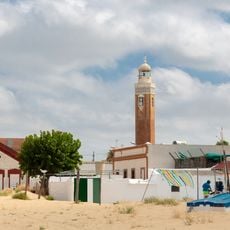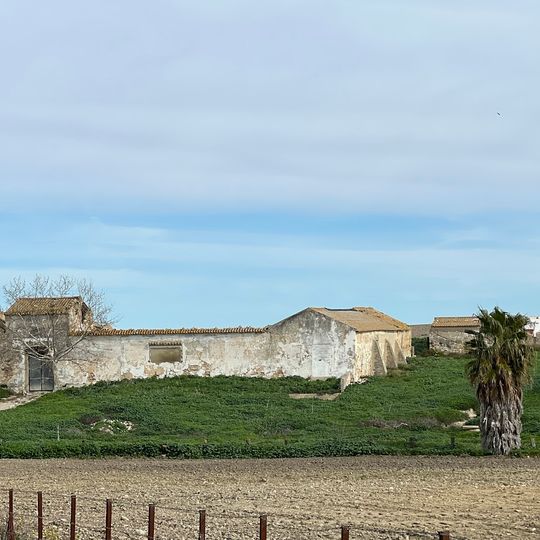
Ébora, Archaeological site in Sanlúcar de Barrameda, Spain.
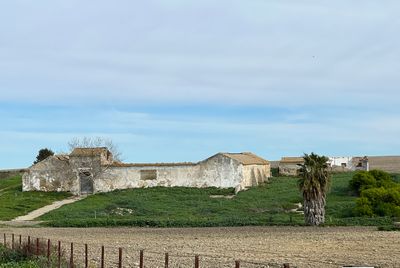
Ébora is an archaeological site in Sanlúcar de Barrameda, situated between the town of Trebujena and the Guadalquivir marshlands. Remains of structures and everyday objects found there show that the place was continuously inhabited across many centuries.
The first traces of human occupation at this place go back to the Copper Age, followed by use during the Iron Age. Later, both Romans and Muslims left clear evidence of their presence on the site.
A gold treasure found here in 1958 includes 43 pieces, among them a crown decorated with human faces and finely worked jewelry. These objects show that the people who lived here had close trading ties with distant cultures.
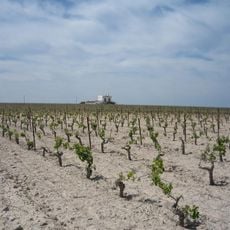
The site sits in open countryside between Trebujena and the Guadalquivir marshlands and can be reached by the road connecting these areas. The main objects found here are kept at the Archaeological Museum of Seville, where they can be seen up close.
Among the objects found here is a small bronze dolphin figure that ranks among the oldest known examples of Greek art in Spain. Together with Carthaginian coins and Turdetani pottery, this piece points to the wide range of trading connections that once passed through this spot.
The community of curious travelers
AroundUs brings together thousands of curated places, local tips, and hidden gems, enriched daily by 92,152 contributors worldwide.