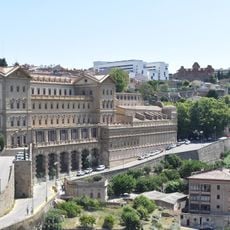
Designation of Origin Pla de Bages, wine denomination of origin in Bages, Barcelona Province, Spain
Pla de Bages is a wine region in Catalonia that covers multiple municipalities with vineyards planted at varying elevations across the landscape. The area produces both red and white wines, with grapes grown in densities adapted to local conditions.
Benedictine monks from Sant Benet de Bages began cultivating vines from the 10th century. After French vineyards were devastated by phylloxera from 1860, demand for Catalan wine soared and Bages reached 27,700 hectares of vines, the largest vineyard area in Catalonia. Phylloxera arrived in 1890, and the textile industry later drew workers away. The DO was created in 1995.
The name Bages is often linked to a Roman city of Bacassis, said in a medieval document from Sant Benet monastery to honour Bacchus, the god of wine. The cooperative of Artés led the late-20th-century revival, preserving the native Picapoll variety. Dry-stone terraces, vineyard huts and tines (stone fermentation vats) from the 19th-century vine boom are recognised by UNESCO as Intangible Cultural Heritage.
The DOP covers 26 municipalities in the Bages and Moianès comarques, with vineyards following the Llobregat and Cardener rivers. The central Pla de Bages subzone sits around 200 m, while the outlying Alt Bages reaches up to 700 m. Look for dry-stone terraces, vineyard huts and tines (stone fermentation vats) built during the 19th-century planting boom.
The dry-stone vineyard terraces, huts and vats built during the late-19th-century vine boom are recognised by UNESCO as Intangible Cultural Heritage. Growers pressed grapes at the vats to carry 65 kg of wine rather than 100 kg of fruit down to the farm, avoiding spoilage over long distances.
The community of curious travelers
AroundUs brings together thousands of curated places, local tips, and hidden gems, enriched daily by 94,690 contributors worldwide.