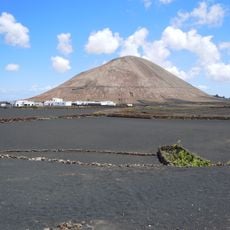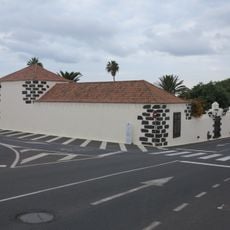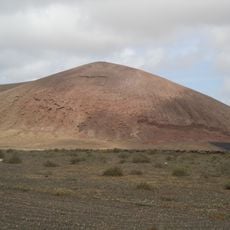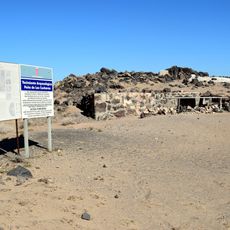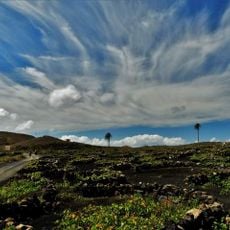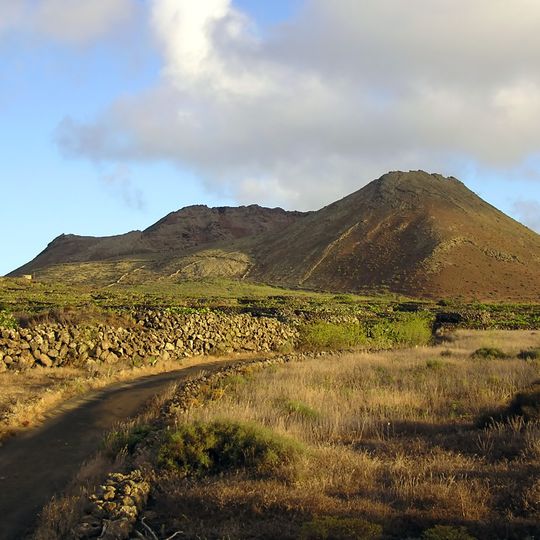
Complejo volcánico Lanzarote, Volcanic complex in Lanzarote, Spain.
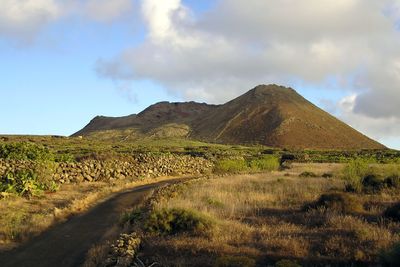
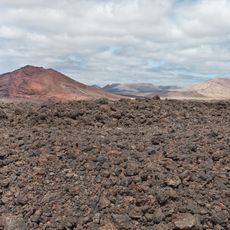
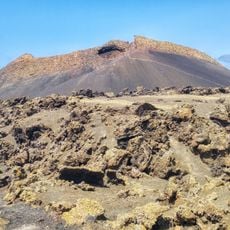
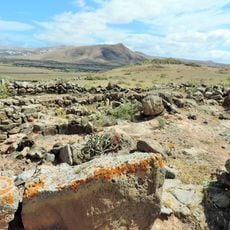
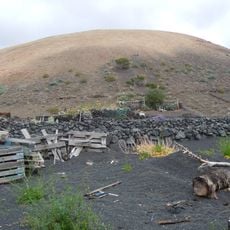
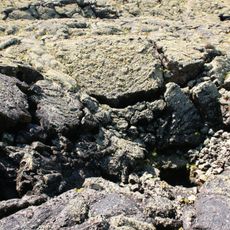
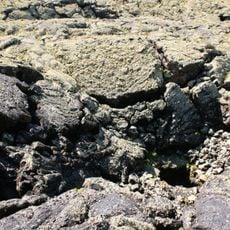
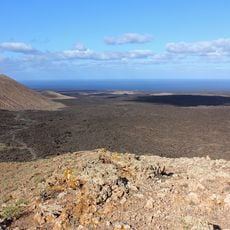
The volcanic system of Lanzarote consists of more than 100 volcanoes across the island that created black lava fields, craters, and cinder cones. The region displays various elevations and terrain types that resulted from repeated volcanic activity over a long period.
Between 1730 and 1736, large-scale volcanic eruptions caused major changes across the island and reshaped a quarter of the land. This series of eruptions created the current landscape and laid the foundation for what would later become Timanfaya National Park.
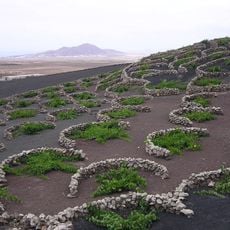
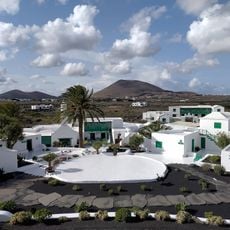
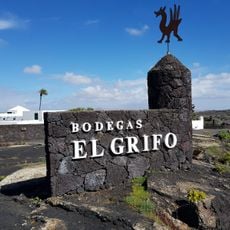
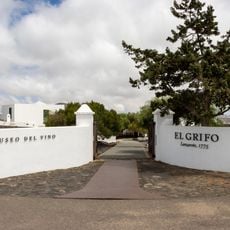
Local people learned to grow grapes in the black volcanic soil using methods passed down through generations that still shape how the land looks today. This shows how communities adapted to harsh conditions and made farming possible in an environment that seems barren at first glance.
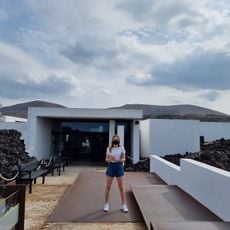
The region is easy to reach and visitors can walk through the lava fields on marked paths or join guided tours. Access is straightforward in most areas, though sturdy shoes and plenty of water are recommended for exploring the terrain.
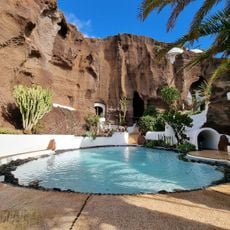
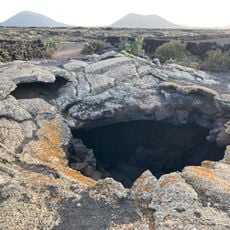
The Corona Volcano created one of the world's longest underwater lava tubes that extends through underground cave systems. This tube connects several spectacular cave systems that visitors can explore today and reveals how lava flowed beneath the ground.
The community of curious travelers
AroundUs brings together thousands of curated places, local tips, and hidden gems, enriched daily by 90,849 contributors worldwide.