Colonia Salaria, Roman colony near Úbeda, Spain.
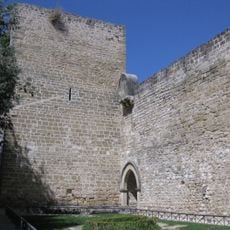
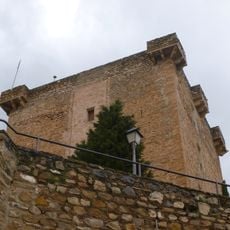
Colonia Salaria is a Roman settlement located on elevated ground overlooking the Guadalquivir River valley. The archaeological remains consist of visible stone walls and other architectural features scattered across the site.
The settlement was founded during the reign of Augustus and served as a major hub for salt commerce and long-distance trade networks. It connected the port city of Carthago Nova with trade routes extending through the Guadalquivir valley.
The name Salaria may come from sálir, the Iberian word for silver, which appears on coins minted here. The site was one of the few cities in the southern peninsula with its own mint, and its Iltiraka coins are sought by collectors. The medieval hermitage of San Julián gave the ruins their later name.
The site sits roughly 15 kilometers southeast of Úbeda on elevated terrain that offers views across the surrounding countryside. Wear sturdy footwear since the ground is uneven and vegetation covers parts of the ruins.
A topographic survey presented in October 2019 detected the buried outlines of an amphitheatre and a circus beneath the soil, neither yet excavated. The same site was one of the few cities in southern Iberia allowed to strike its own coins; pieces bearing the Iberian word sálir, meaning silver, are sought by collectors.
The community of curious travelers
AroundUs brings together thousands of curated places, local tips, and hidden gems, enriched daily by 94,557 contributors worldwide.