Sexi, Archaeological site in Almuñécar, Spain
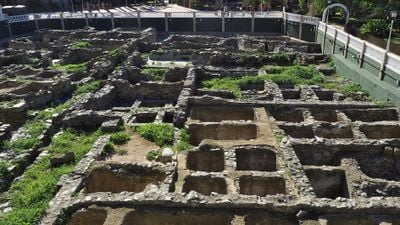
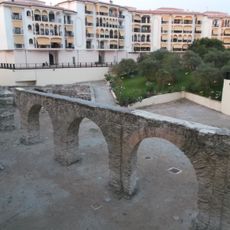
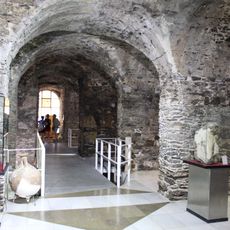
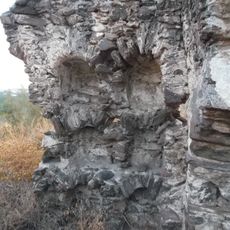
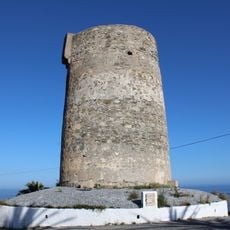
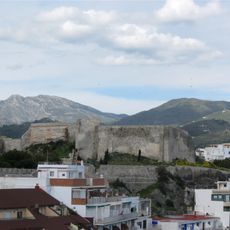
Sexi is an archaeological site in Almuñécar on the southern Spanish coast, where Phoenician foundations, Roman production facilities, and later building remains are preserved. The excavations spread across several areas of the modern town and reveal traces of dwellings, workshops, and public structures.
Phoenician merchants established a colony here in the 8th century BC, which later grew into a municipality under Roman rule and became an important port. The settlement reached its greatest expansion in the 1st century AD and supplied many cities with preserved seafood.
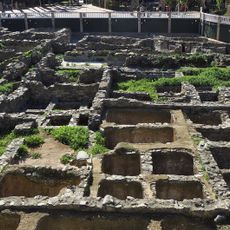
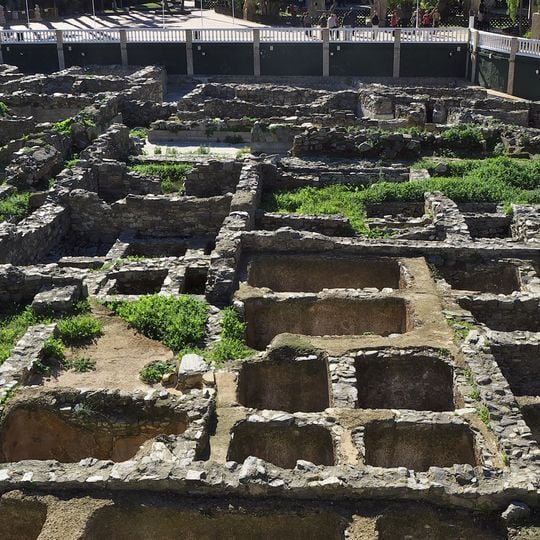
The fish salting tanks scattered across the ruins consist of deep stone basins and connecting channels where tuna and other fish were cured. These installations show how labor-intensive the production process was for the condiment traded throughout the Mediterranean.
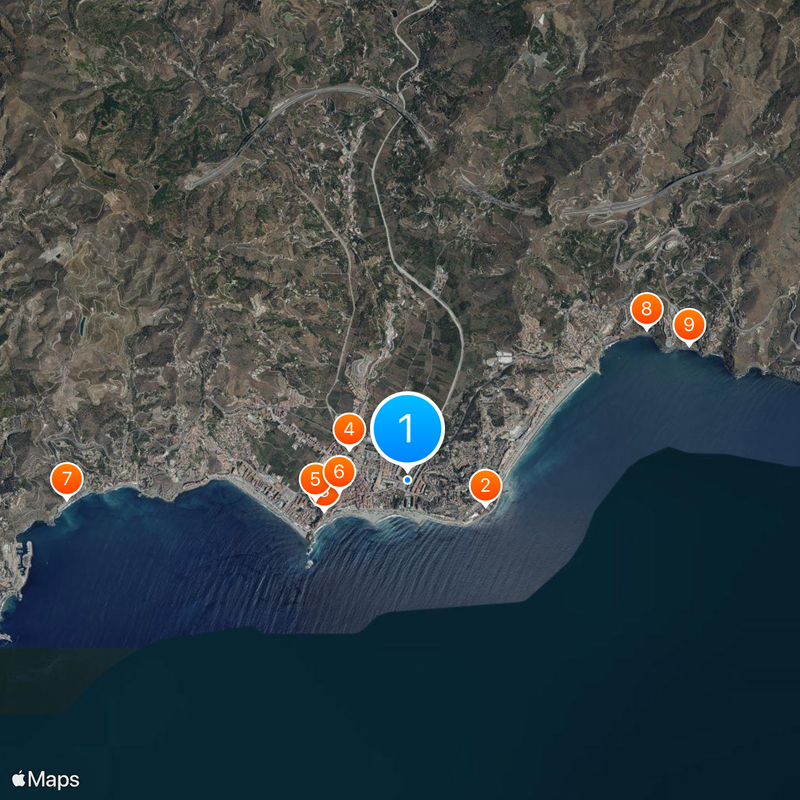
The excavation sites are scattered across different neighborhoods and can be explored on foot, as the main areas lie close to each other. Signage in Spanish and English helps with orientation between the individual sections.
Part of the excavations lies beneath modern houses and shops built over the old walls. Some cellars still show Phoenician stones in their foundations.
The community of curious travelers
AroundUs brings together thousands of curated places, local tips, and hidden gems, enriched daily by 92,448 contributors worldwide.