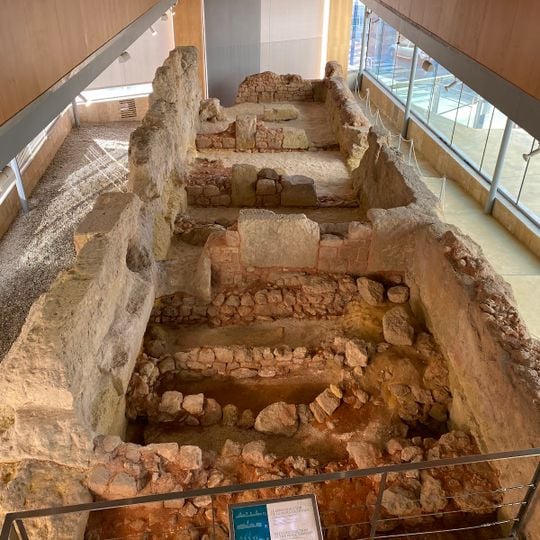
Centro de Interpretación de la Muralla Púnica, interpretation centre in Cartagena, Spain
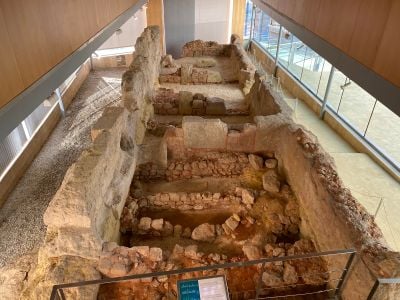
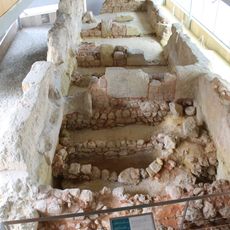
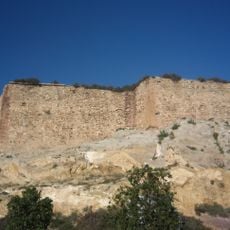
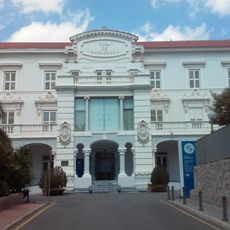
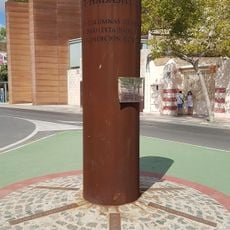
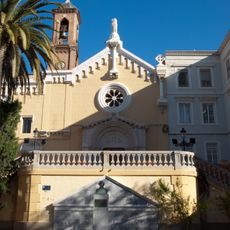
Centro de Interpretación de la Muralla Púnica is an archaeological interpretation centre in the center of Cartagena, built around the remains of a Punic wall. The site also includes a burial crypt with painted walls, and a walkway gives views down onto the old stone blocks.
The settlement was founded by the general Hasdrubal in 229 BC under the name Qart Hadast, and the wall marked its main entrance. The Romans took the city in 209 BC, and after a short period of reuse the fortification was abandoned.
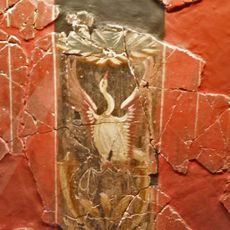
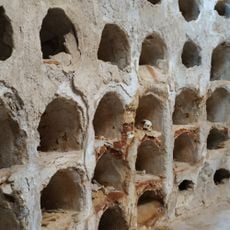
Next to the wall, visitors can see a burial crypt that once belonged to the brotherhood of San José. Its walls are covered with skeletons dancing over coffins and symbols of power, a reminder that death comes for everyone regardless of rank.
Ramps and glass floors make most of the site easy to move around, and there is an adapted toilet. A short guided visit lasts about half an hour, but you can also explore on your own with a multilingual audio guide.
The wall was originally covered with white stucco, so it would have looked like a bright pale band across the landscape rather than bare stone. Inside its double shell, soldiers lived and kept supplies in small rooms called casemates.
The community of curious travelers
AroundUs brings together thousands of curated places, local tips, and hidden gems, enriched daily by 90,871 contributors worldwide.