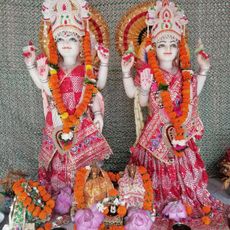
Haridwar, Hindu pilgrimage city at the Ganges River bank in Uttarakhand, India.
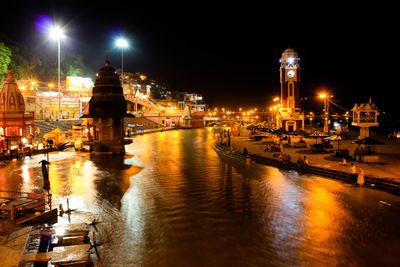
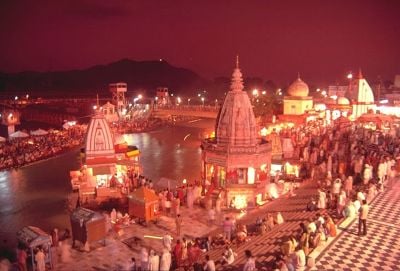
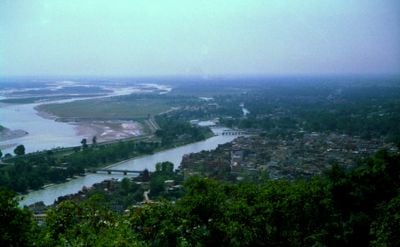
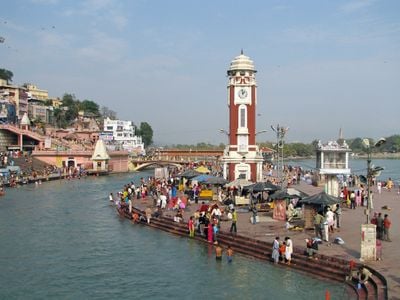
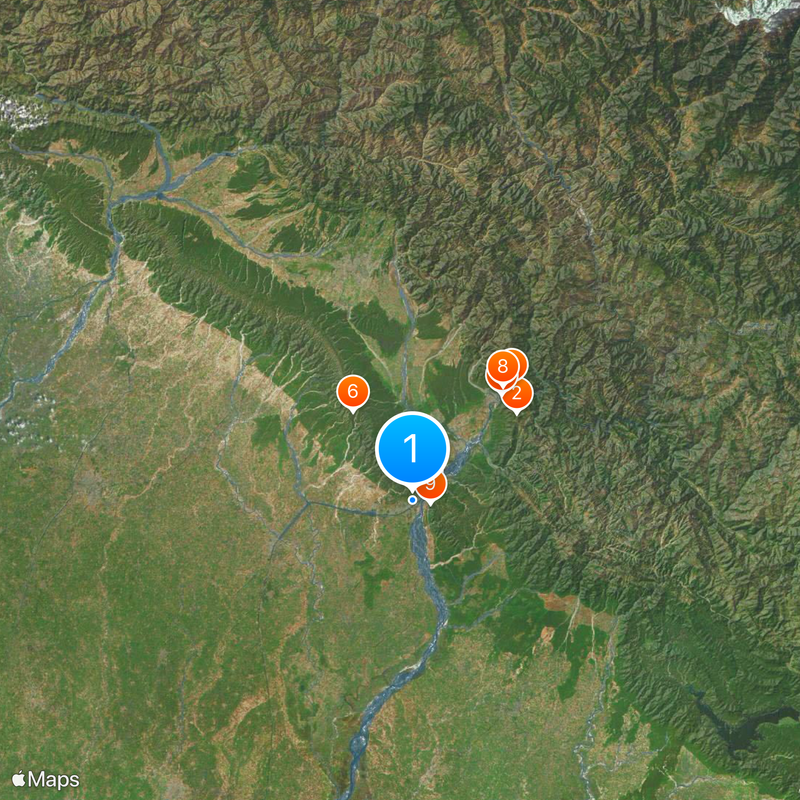
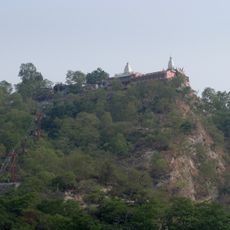
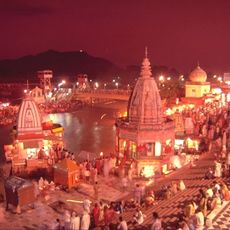
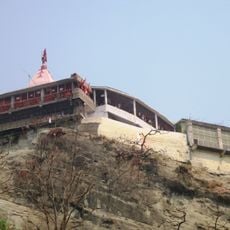
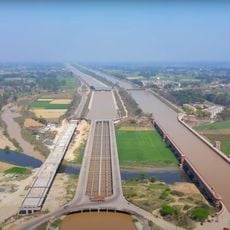
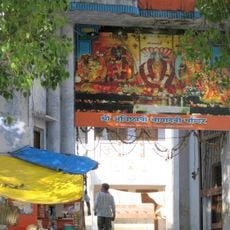
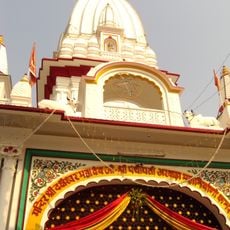
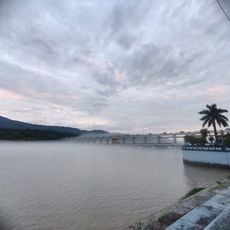
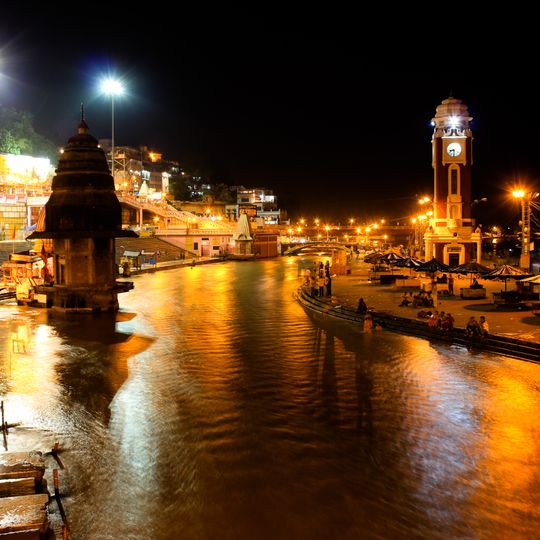
Haridwar sits where the Gangetic plain meets the Himalayan foothills, and the city is defined by steep stone steps leading down to the Har-ki-pauri ghat, where a footprint of Vishnu is carved into stone. Narrow lanes wind between temples with red and white towers, while ashrams and guesthouses line the riverbank.
The city, once called Kapila after a local sage, passed from Mauryan and Kushan rule to control by the Delhi Sultanate and later the Mughal Empire. British colonial officials introduced surveys and infrastructure projects in the 19th century that shaped the layout of the old town.
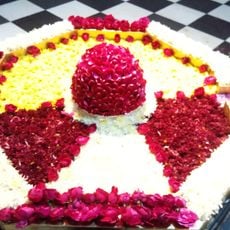
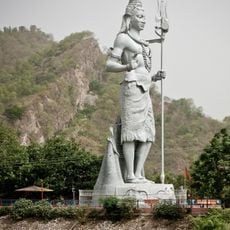
Each year during March or April, thousands of believers gather for the Kanwar Mela pilgrimage season, when devotees of Shiva walk through the streets in orange robes carrying water from the Ganges in containers on their shoulders. These processions fill the lanes with chanting and the sound of bells, while vendors line the routes selling flower garlands and incense sticks.
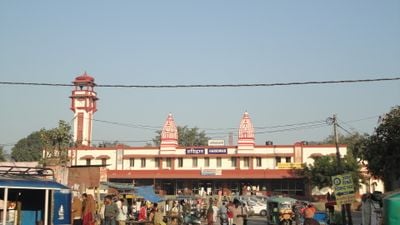
The main railway station connects the city to Delhi, Mumbai, and other major destinations, while the nearest airport, Jolly Grant, sits about 35 kilometers (22 miles) away near Dehradun. The lanes around the ghats can become crowded during morning and evening ceremonies, so allow extra time for navigating through the crowds.
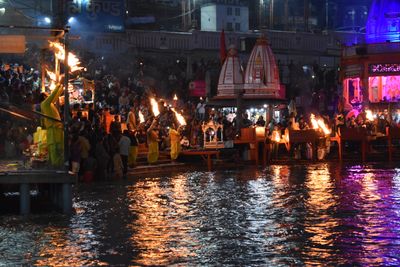
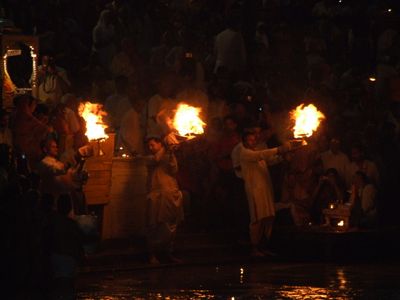
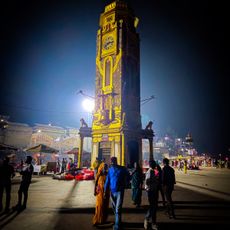
Every evening at Har-ki-pauri, the Ganga Aarti ceremony takes place, with priests swinging large brass lamps in coordinated movements while smoke from incense drifts over the water and hundreds of floating oil lamps drift downstream. The temperature swings from 44 degrees Celsius (111 degrees Fahrenheit) in summer to below zero in winter, with annual rainfall reaching around 2,374 millimeters (93 inches).
The community of curious travelers
AroundUs brings together thousands of curated places, local tips, and hidden gems, enriched daily by 92,893 contributors worldwide.