Tuni, human settlement in India
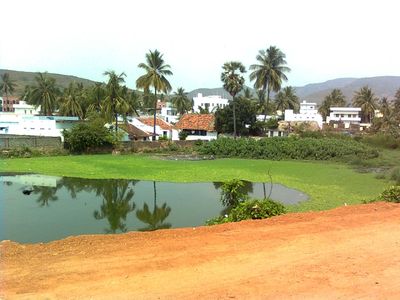
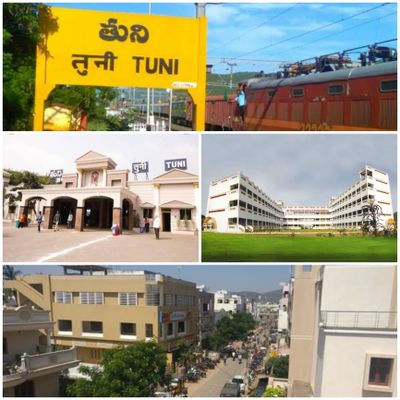
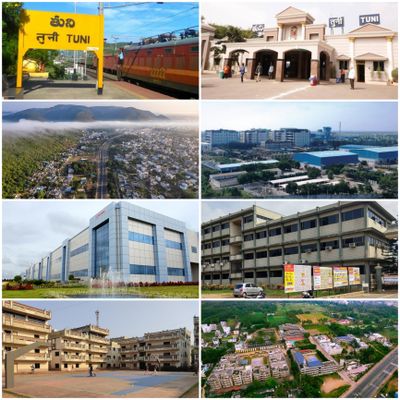
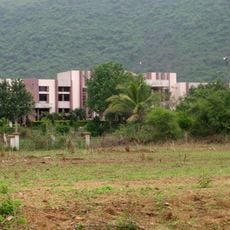
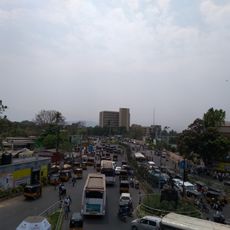
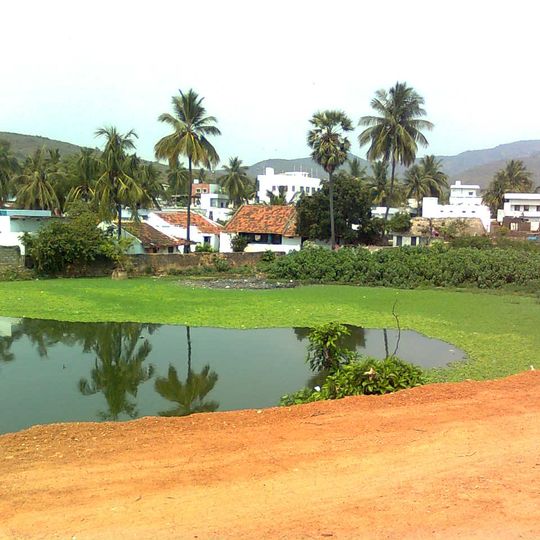
Tuni is a town in Andhra Pradesh that serves as the administrative center of Tuni mandal and features busy markets and shops. The streetscape displays a mix of older and newer buildings, with daytime activity centered on vendors selling local products like mangoes, betel leaves, and cashew nuts.
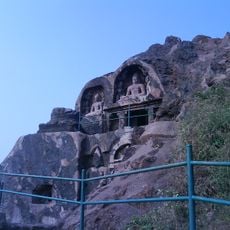
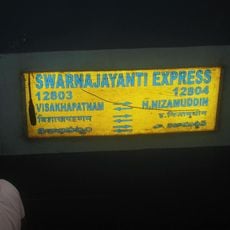
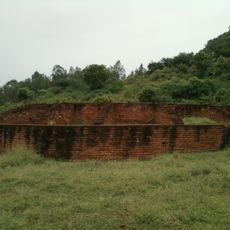
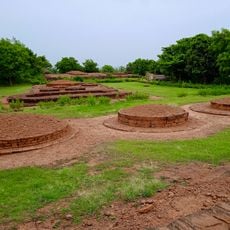
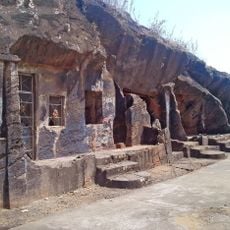
The site was an important Buddhist center during the Vishnukundina dynasty in the 1st century CE, as shown by archaeological findings of stupas and monasteries in nearby villages. In the 15th century, Tuni served as the capital of Kottam Estate, and during British rule it became a trading hub with a railway station on the Howrah-Madras line.
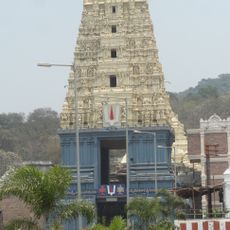
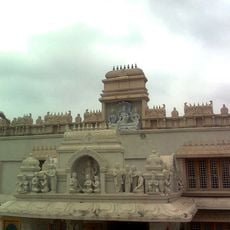
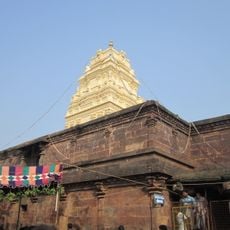
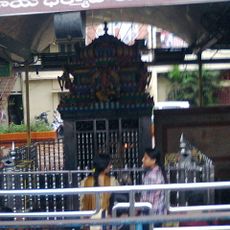
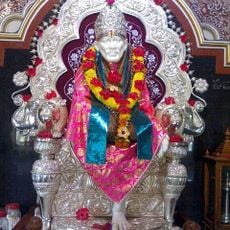
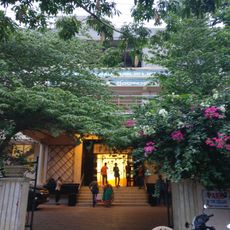
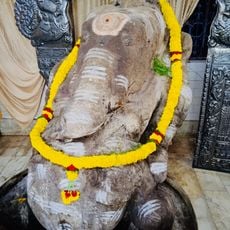
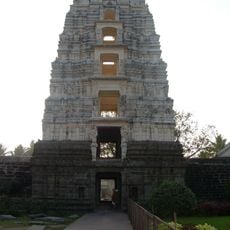
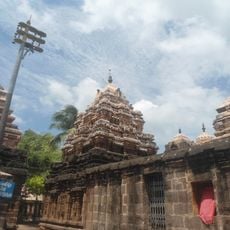
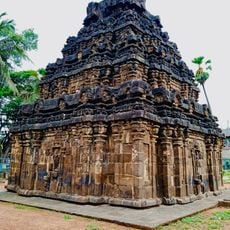
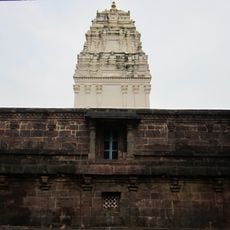
Tuni's temples and shrines scattered throughout the town are central to local life, where residents gather to pray and celebrate festivals. During these events, visitors witness traditional music, dance, and local food that reflect the community's values and heritage.
Visitors can navigate easily through streets lined with local shops and markets that are most active in early mornings when farmers and vendors set up their stalls. The climate is hot and humid year-round, with monsoon rains from June to September, so bring light clothing and carry water.
The town is known as the Mango City for its production of many mango varieties sold in local markets and exported to other regions. Nearby villages like Kummarilova, called the Panchasheela Buddhist Centre, hold ancient stupas that reveal the area's past spiritual significance.
The community of curious travelers
AroundUs brings together thousands of curated places, local tips, and hidden gems, enriched daily by 91,651 contributors worldwide.