Lalitpur district, Administrative district in Madhya Pradesh, India
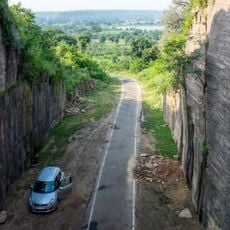
Lalitpur is an administrative district in central India characterized by parallel ridges, valleys, and granite rock formations. The landscape is shaped by these natural features, which form the foundation for human settlement and economic activity.
The district originated from the Chanderi state established in the 17th century and went through several administrative reorganizations. These transformations eventually led to the modern administrative structure that exists today.
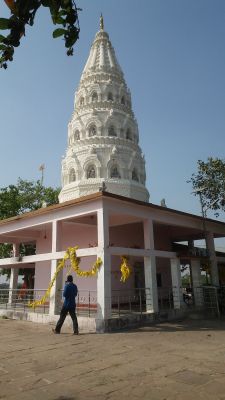
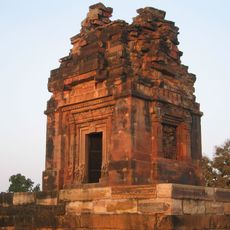
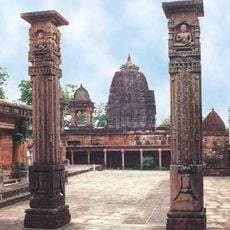
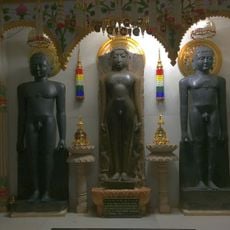
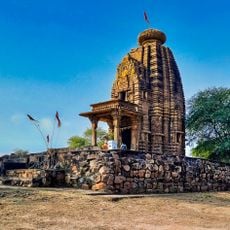
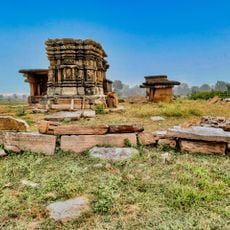
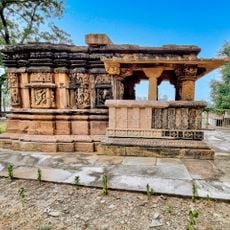
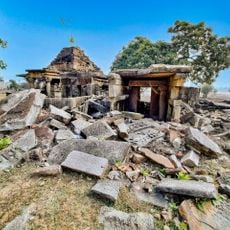
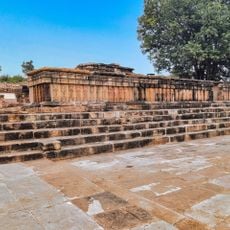
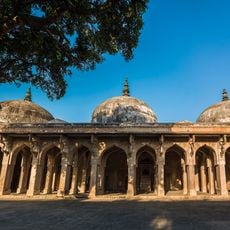
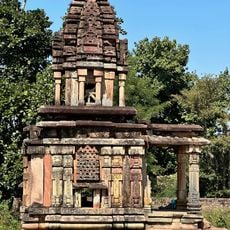
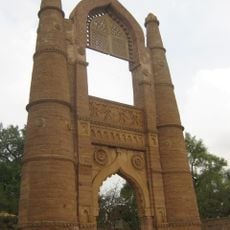
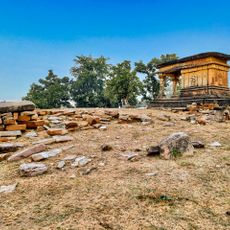
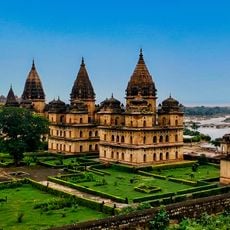
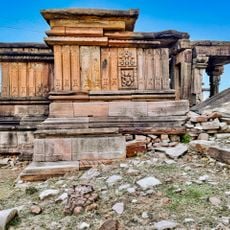
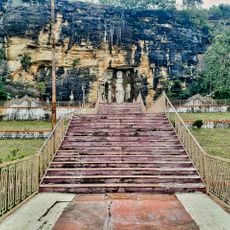
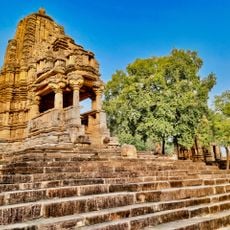
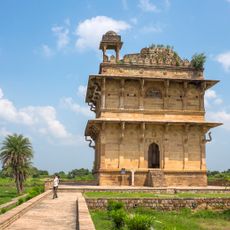
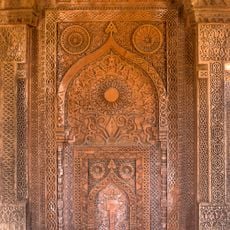
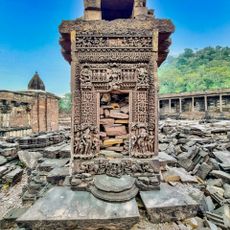
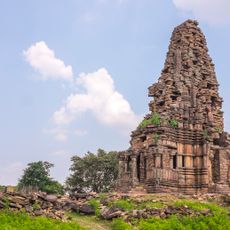
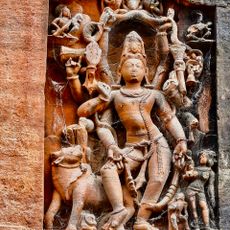
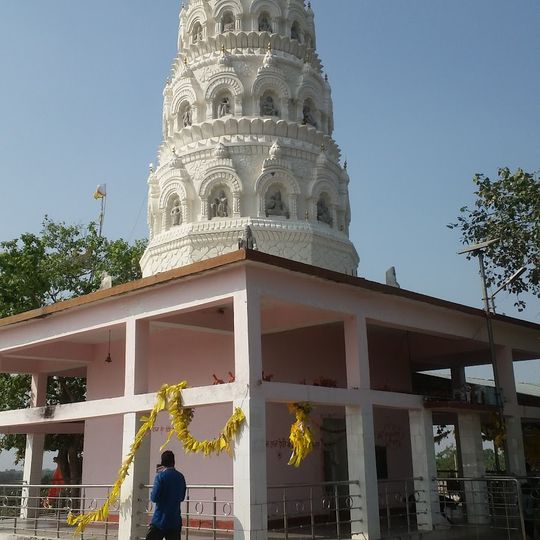
The district is home to several Hindu and Jain temples, including Raghunathji Temple and Ata Mandir, where visitors can observe different religious practices and architectural styles. These sanctuaries shape daily life and serve as gathering spaces for local communities.
Agriculture forms the economic backbone of the district, with farmers cultivating wheat, rice, and pulses across fertile zones. The best time to visit is after the rainy season, when the landscape is greenest and rural communities are most active.
The area contains substantial mineral deposits, particularly uranium resources, which hold great importance for India's resource economy. These geological assets shape the district's economic potential beyond agriculture.
The community of curious travelers
AroundUs brings together thousands of curated places, local tips, and hidden gems, enriched daily by 60,000 contributors worldwide.