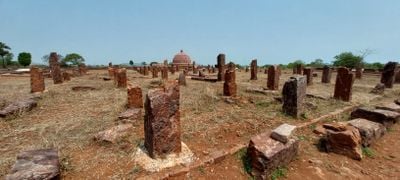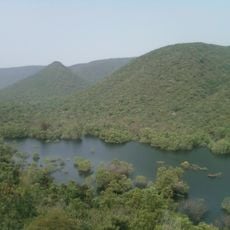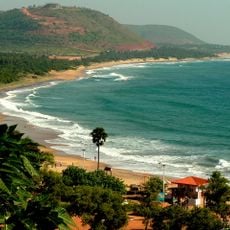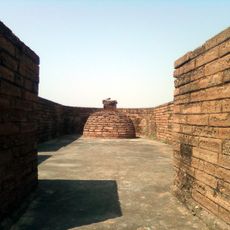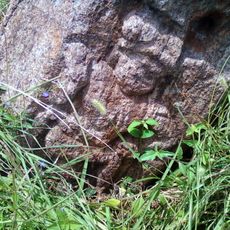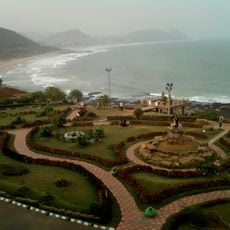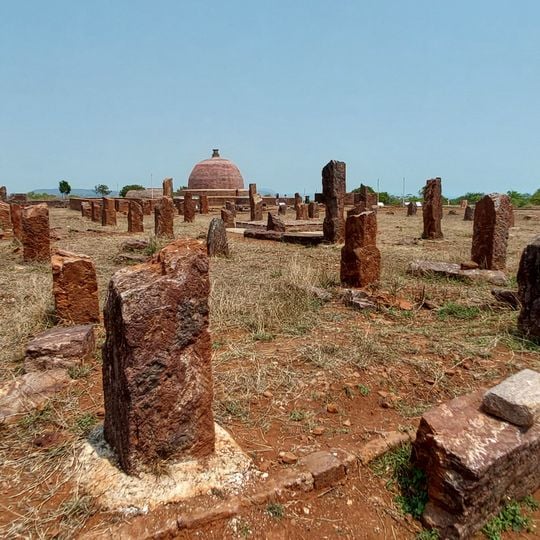
Thotlakonda, Buddhist monastery ruins on a hill near Bheemunipatnam, Visakhapatnam district, India.
Thotlakonda is an ancient Buddhist monastery located on a hilltop overlooking the Bay of Bengal in Visakhapatnam district. The site contains stone structures including multiple stupas, votive platforms, monastic cells, kitchen facilities, and communal dining areas.
Thotlakonda emerged alongside nearby Bavikonda and Pavurallakonda and flourished between the 2nd century BCE and the 2nd century CE, supported by Roman trade and Buddhist missions abroad. Excavations by the Andhra Pradesh State Archaeology Department from 1988 to 1993 uncovered Satavahana lead and Roman silver coins, terracotta tiles, sculptured panels and twelve inscriptions. The complex had declined by the end of the 3rd century.
The Telugu name Toṭlakoṇḍa, "hill of cisterns", comes from the rock-cut water tanks hewn into the hilltop. Excavations found twelve inscriptions, and Pali studies suggest the hill was also called Senagiri, "elder" or "superior". Nikaya Buddhism was practised here with aniconic worship of the Buddha through padukas and ashtamangala symbols rather than human figures.
The site sits on a hill about 128 m above sea level, reached by a climb from the base; allow time for the ascent and wear shoes suited to bare earth and scattered stone slabs. There are few facilities, so carry water. The hilltop is exposed, and the 2019 monsoon damage to the stupa shows how weather affects the ruins.
The hill's Telugu name Toṭlakoṇḍa comes from the rock-cut cisterns hewn into its bedrock to collect rainwater, which also gave the site the meaning "hill of cisterns." Excavations also yielded twelve inscriptions, and Pali studies suggest the hill may once have been called Senagiri, "elder" or "superior."
The community of curious travelers
AroundUs brings together thousands of curated places, local tips, and hidden gems, enriched daily by 93,485 contributors worldwide.