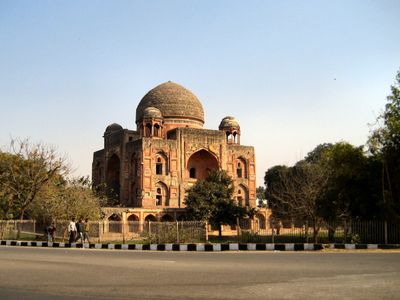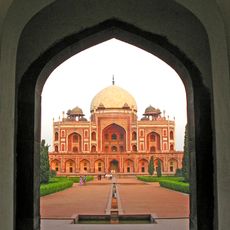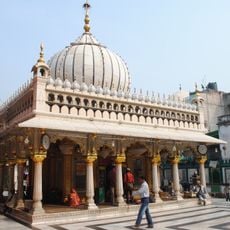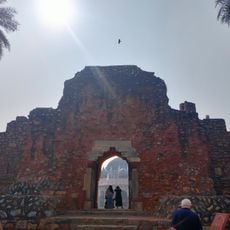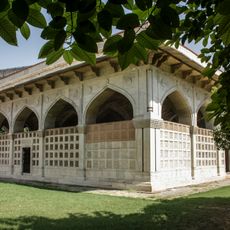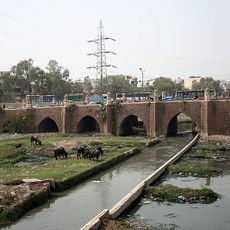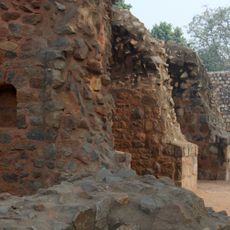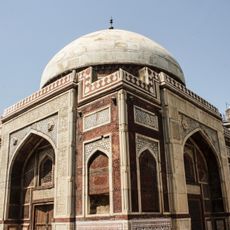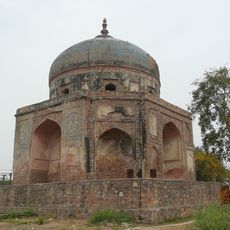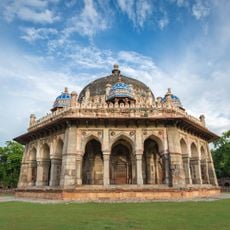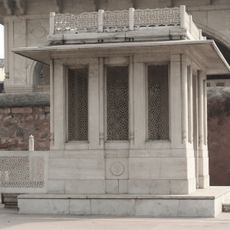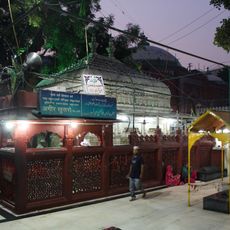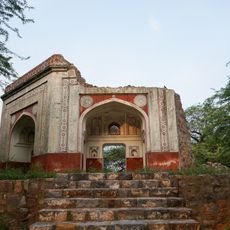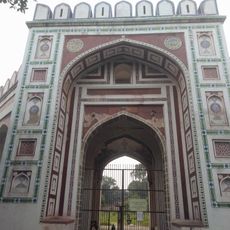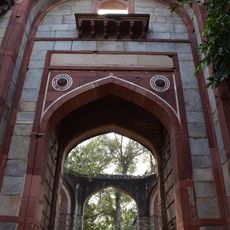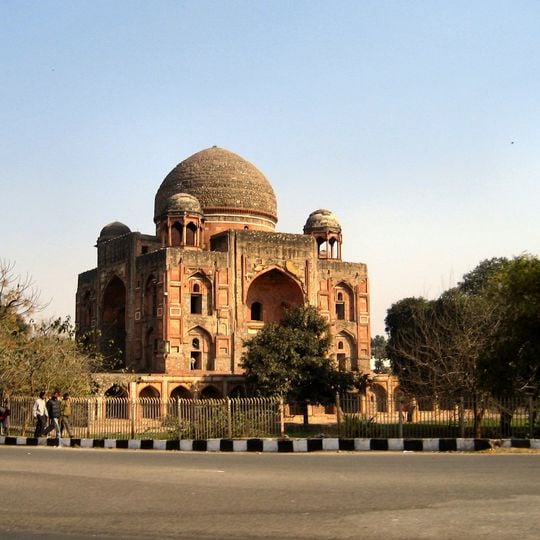
Tomb of Abdul Rahim Khan-I-Khana, Mughal monument in South East Delhi district, India
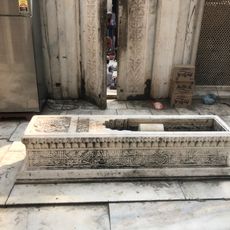
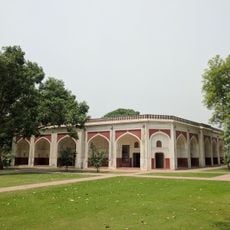
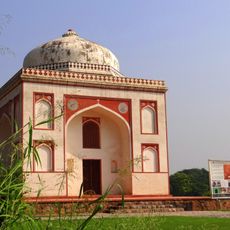
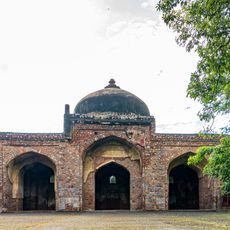
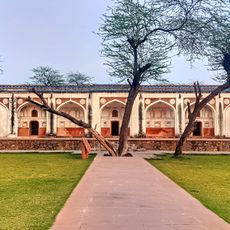
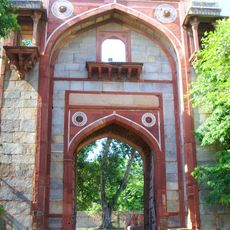
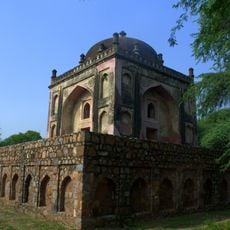
The Tomb of Abdul Rahim Khan-I-Khana is a Mughal-era monument in South East Delhi that blends Persian and Indian architectural styles. Its exterior walls display detailed floral patterns and intricate stone carvings that reflect the craftsmanship of its period.
Construction of the monument began in 1598 as a burial place for Rahim's wife, intended to preserve his legacy. After his death in 1627, he was laid to rest there as well.
The tomb honors Abdul Rahim Khan-I-Khana, an influential minister and poet at Emperor Akbar's court whose legacy remains visible in its architecture and design. Visitors can sense the mark of a man who served both as a statesman and an artist, shaping the culture of his time.
The monument underwent comprehensive restoration in 2020 and has been returned to its original condition. Wear comfortable shoes for exploring the grounds on foot, and be prepared for intense heat during the summer months.
Materials from this tomb were removed in 1753 and used in the construction of Safdarjung's Tomb, revealing how Delhi's architecture was layered across generations. This reuse of materials shows how buildings in the city became connected through time.
The community of curious travelers
AroundUs brings together thousands of curated places, local tips, and hidden gems, enriched daily by 91,797 contributors worldwide.