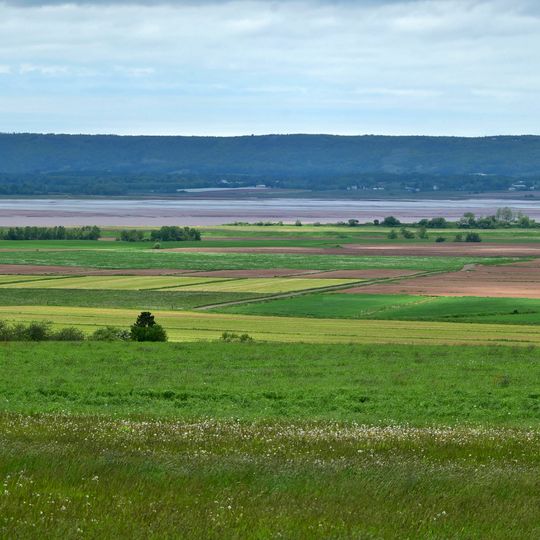
Grand-Pré, cultural landscape
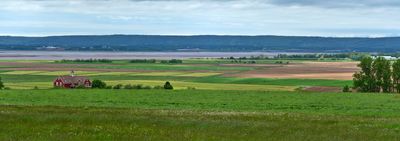
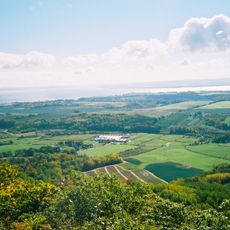
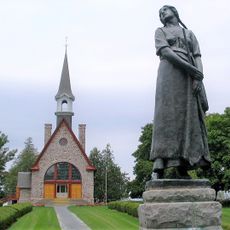
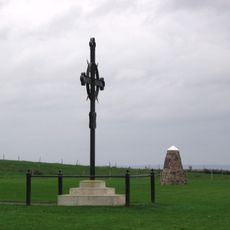
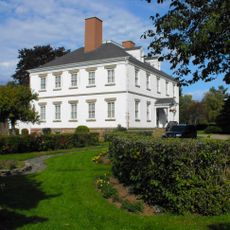
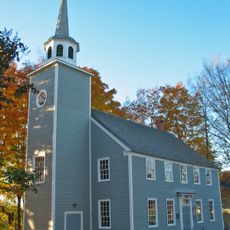
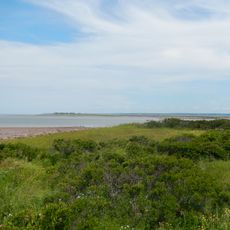
Grand-Pré is a national historic site and UNESCO World Heritage Site in Kings County, Canada, featuring a historic agricultural landscape system with dykes and fields. The location spans flat farmland bordering the Minas Basin and includes a monument, Victorian-era gardens, and a memorial church.
The area was settled around 1680 by French settlers who built dykes to transform salt marsh into farmland. In 1755, Acadians were expelled, and in 1760, settlers from New England arrived to populate the region under the name Horton Township.
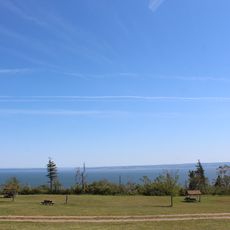
The name Grand-Pré comes from French words meaning "great field," reflecting the early French settlers who transformed marshland into farmland. Visitors can still see the historic dykes and fields that show how Acadian communities shaped and worked this landscape over many generations.
The site is open from mid-May to mid-October, with hours from 9 am to 5 pm. Admission is free for young people, and there are different fees for tours, camping, and programs that can be reserved in advance.
The area inspired the famous poem Evangeline by Henry Wadsworth Longfellow, which tells of the 1755 expulsion of Acadians. The poem made Grand-Pré a symbol of Acadian resilience and continues to draw visitors who want to experience the story behind the literature.
The community of curious travelers
AroundUs brings together thousands of curated places, local tips, and hidden gems, enriched daily by 90,804 contributors worldwide.