Zhusheng Temple, Buddhist temple at Mount Heng, Hunan, China
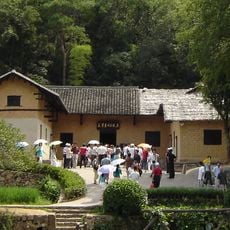
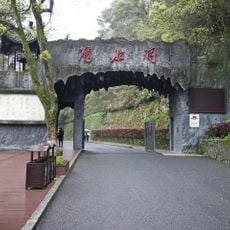
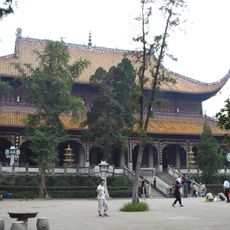
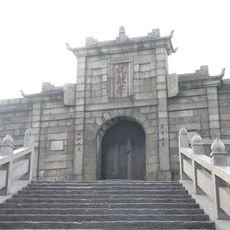
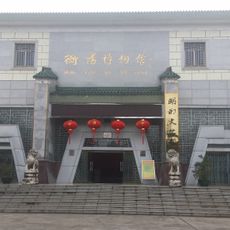
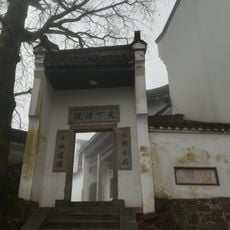
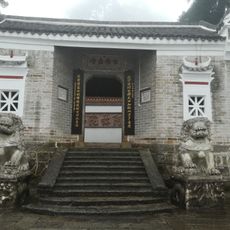
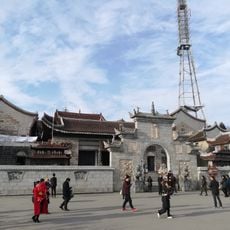
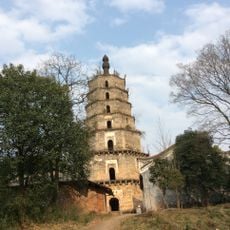
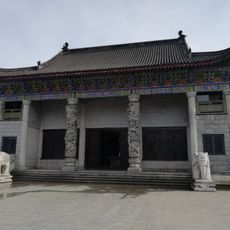
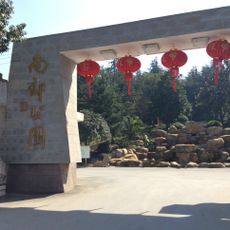
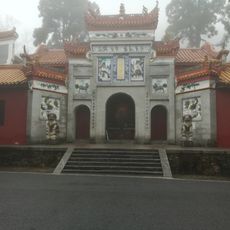
Zhusheng Temple sits at the base of Mount Heng and features multiple halls built with traditional Chinese architectural design, including a Shanmen entrance gate, Four Heavenly Kings Hall, and Mahavira Hall. The structures are decorated with Buddhist statues, sculptures, and wall paintings throughout.
Founded as Mituotai by the Pure Land master Chengyuan in the early Tianbao era of the Tang, the temple was renamed Bozhou Daochang by Emperor Daizong in 779. Destroyed during the Huichang persecution of Buddhism, it was rebuilt as Baoguo Temple by Ma Yin, King Wumu of Chu, in the Five Dynasties period. After several renamings, Emperor Yongzheng gave it the name Zhusheng Temple in 1727.
The temple hosts a Buddhist institute established in 1929 that continues to serve as a center for religious education and training today. Traditional teachings and practices are actively maintained and passed on within its community.
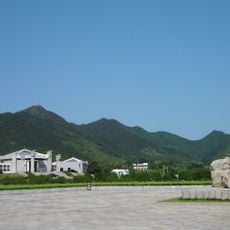
The five halls stand in a line along the central axis, entered through the shanmen gate and ending at the Abbot's Room, so the visit follows a single straight route. The Hall of Four Heavenly Kings comes first, then the Mahavira Hall, the Dharma Hall and the Abbot's Room. The temple sits at the foot of Mount Heng in Nanyue District, Hengyang.
The temple's name changed repeatedly: Mituotai under the Tang, Baoguo Temple under Chu king Ma Yin, Shengye Temple under the Song, and Shenxiao Palace in 1119 when Emperor Huizong turned it into a Taoist temple. The Yongzheng Emperor gave it its current name in 1727.
The community of curious travelers
AroundUs brings together thousands of curated places, local tips, and hidden gems, enriched daily by 93,291 contributors worldwide.