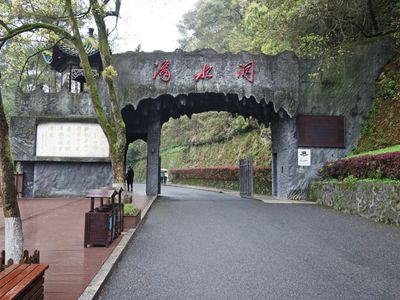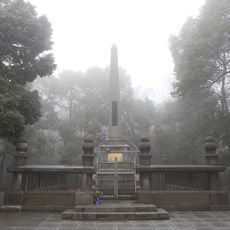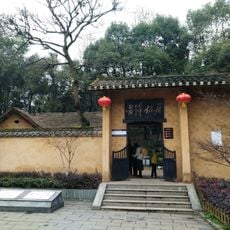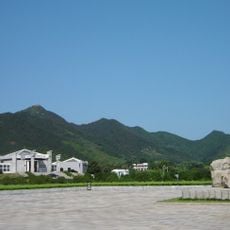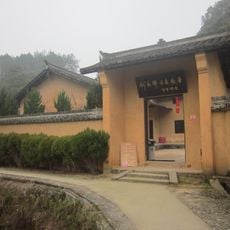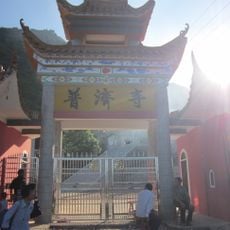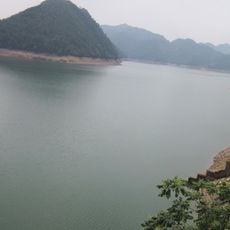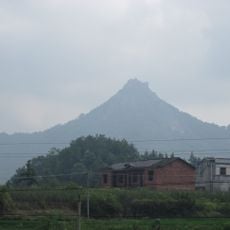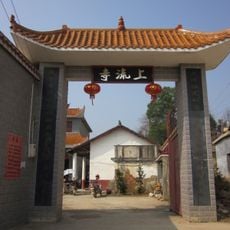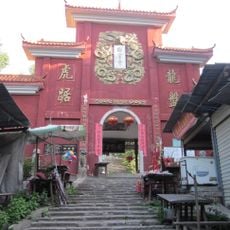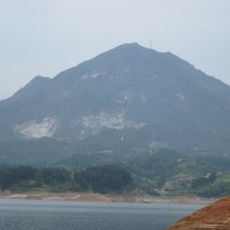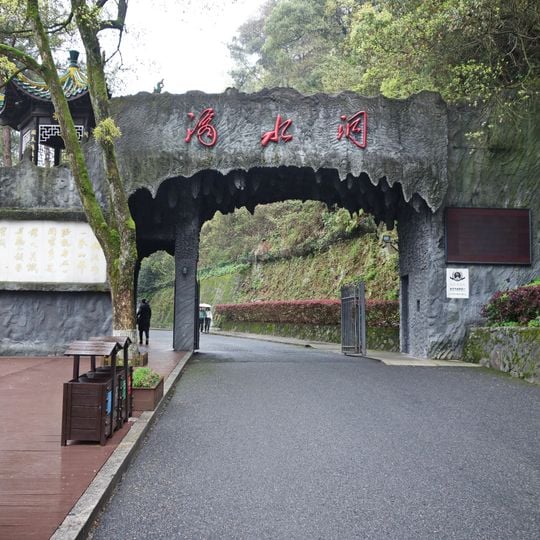
Dishui Cave, Natural cave formation in Shaoshan, China.
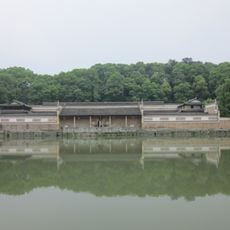
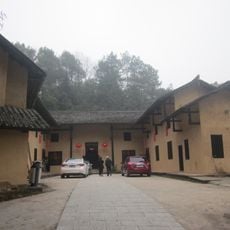
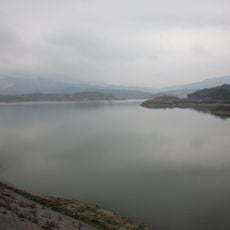
Dishui Cave is a natural cave in Shaoshan, in Hunan Province, China, where water drips steadily from the ceiling and gives the site its name, which translates roughly as 'dripping water cave.' The interior opens into rocky chambers, and the entrance is surrounded by a wooded area with old-growth trees.
The cave was shaped over thousands of years by water slowly carving through the soft rock of the Shaoshan hills. In the 20th century, it gained wider recognition after Mao Zedong visited the site on several occasions during his lifetime.
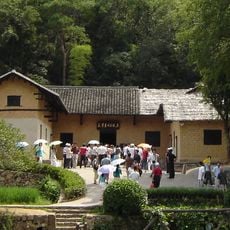
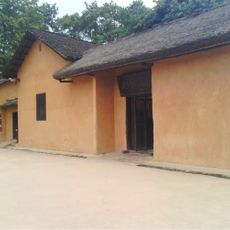
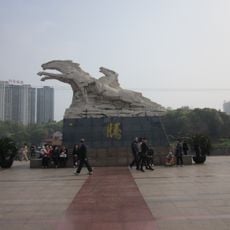
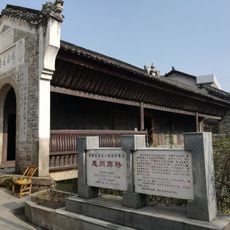
The cave is close to the birthplace of Mao Zedong, and many Chinese visitors come here as part of a trip through Shaoshan that traces the early life of the revolutionary leader. The surrounding area is treated with a sense of reverence, and the visit often feels more like a pilgrimage than a standard nature walk.
The paths around the cave can be wet and slippery, so sturdy footwear and comfortable clothing are a good idea. Visiting in the morning tends to be quieter, as the site draws more visitors later in the day.
Mao Zedong reportedly used the cave as a retreat in the 1960s, spending time there to work and think away from public life. This personal connection sets the site apart from other geological attractions in the region and gives the visit a very specific layer of history.
The community of curious travelers
AroundUs brings together thousands of curated places, local tips, and hidden gems, enriched daily by 91,689 contributors worldwide.