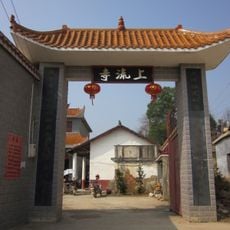
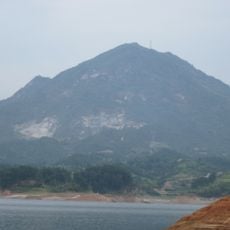
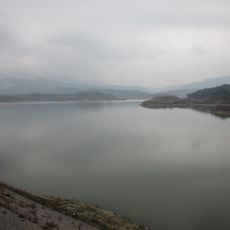
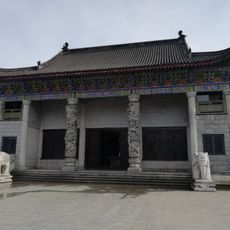
Tseng Kuo-fan's Former Residence, Historical residence in Heye, Shuangfeng, China.
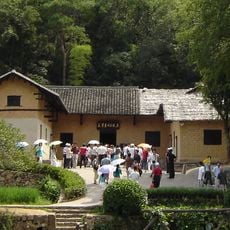
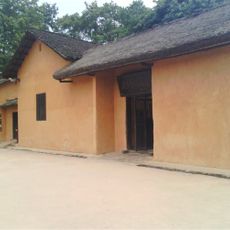
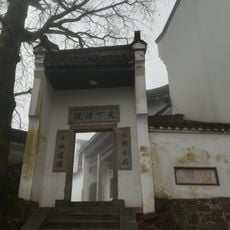
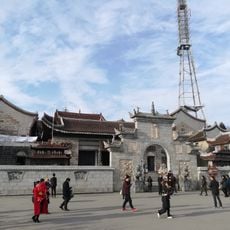
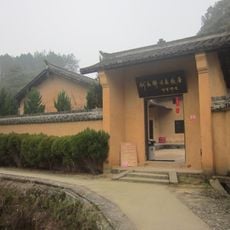
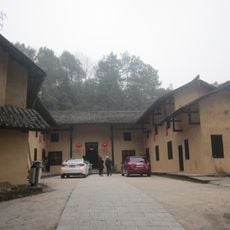
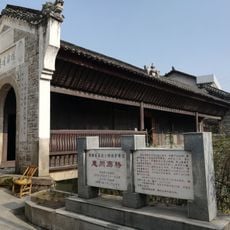
Tseng Kuo-fan's former residence consists of two separate compounds in Heye Town: Baiyu Hall, where he was born and raised, and Fuhou Mansion, built after he became an official. Baiyu Hall has 48 brick-and-timber rooms in three rows and four wings, with grey tiles and white walls. Fuhou Mansion covers 40,000 square metres, with its main buildings laid out symmetrically along a central axis.
The house was built in 1865 and served as the residence of Tseng Kuo-fan, a prominent military leader and statesman during the Qing Dynasty. He played a central role in suppressing the Taiping Rebellion, one of the major conflicts of the 19th century.
The wooden structures and intricate carvings show how wealthy Qing Dynasty officials designed their homes and what they valued in daily life. The arrangement of rooms around courtyards reflects traditional beliefs that balanced privacy with family togetherness.
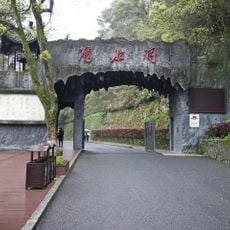
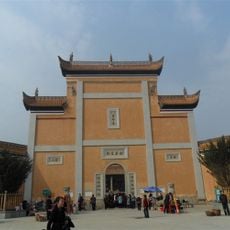
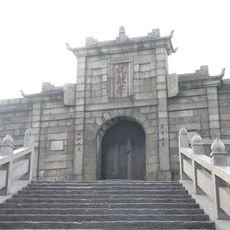
The compound lies in Heye Town, Shuangfeng County, Loudi, Hunan, and combines two sites: Baiyutang, where Zeng Guofan was born and raised, and Fuhou Mansion, the residence built after he entered official life. Fuhou Mansion covers 40,000 square metres with about 10,000 square metres of building, laid out symmetrically along a central axis. Allow time to cross the gatehouse, the half-moon pool and the rear hill.
Fuhou Mansion's library, the Qiuezhai and Guipu pavilions and the Yifang Hall, held about 300,000 volumes, making it the largest private library in modern China. Siyun Hall was built by Zeng Guofan himself in 1857, before the mansion was completed in 1865.
The community of curious travelers
AroundUs brings together thousands of curated places, local tips, and hidden gems, enriched daily by 93,926 contributors worldwide.