Tanheli site, Archaeological site in Hunan, China.
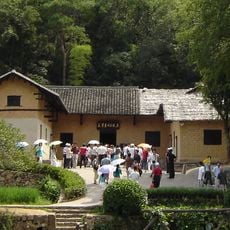
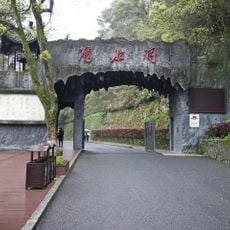
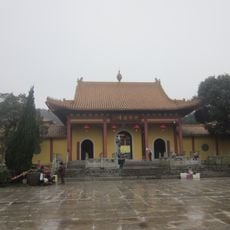
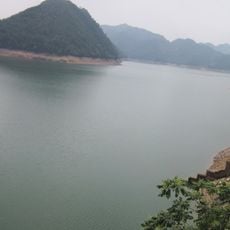
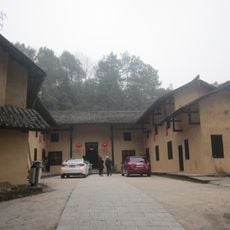
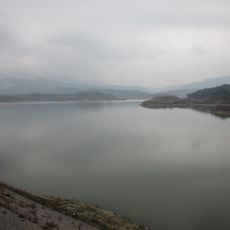
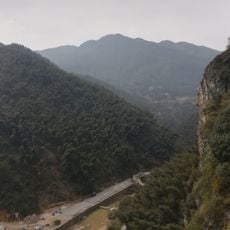
The Tanheli site lies on a terrace where the Duanxi and Wei rivers meet in Zhaizi village, Huangcai town, Ningxiang, Hunan. Its core covers 888,600 square metres and is identified as a Western Zhou site. Excavations have also revealed Song, Tang and Western Zhou remains, and a Western Zhou palace foundation is under study.
Tanheli was identified as a Western Zhou site (ca. 11th century–771 BC) and in 2006 the State Council listed it as a Major Historical and Cultural Site Protected at the National Level. In 2009 illegal construction on the Ningxiang–Huangcai road severely damaged the site; rescue excavations that followed uncovered one Song, one Tang and one Western Zhou locus, including a Western Zhou fu-shaped ding. Excavation of the Western Zhou palace remains has continued since 2005.
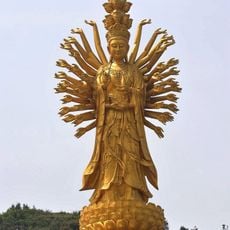
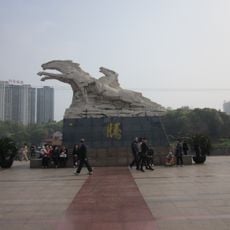
The site gives its name to the Tanheli bronze culture, and the Dahe ding found here in 1959 led scholars to speak of a late Shang vassal state, the "Dahe fangguo". The 2017 Songcheng Tanheli ancient city theme park, China's first on Zhou culture, now stages that heritage beside the ruins.
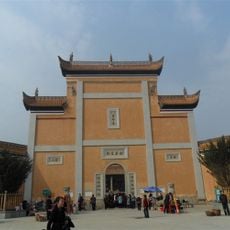
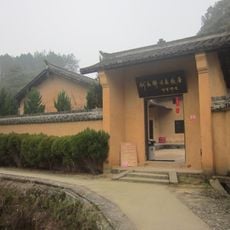
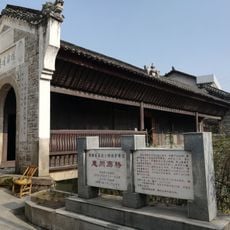
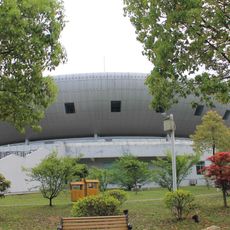
The site lies on a terrace where the Duanxi and Wei rivers meet in Zhaizi village, Huangcai town, Ningxiang. The Tanheli Bronze Museum, built on the site, is the place to see the excavated bronzes; the Western Zhou palace remains have been under excavation since 2005. The Songcheng Tanhe Ancient City theme park opened nearby in 2017.
The Dahe ding, a square bronze vessel with a human face, was unearthed here in 1959; experts link it to a late Shang vassal state they call "Dahe fangguo". The site also yielded the largest square zun in China, the Four-goat Square Zun, plus the country's largest bronze nao and largest bronze bu.
The community of curious travelers
AroundUs brings together thousands of curated places, local tips, and hidden gems, enriched daily by 94,482 contributors worldwide.