White Deer Temple
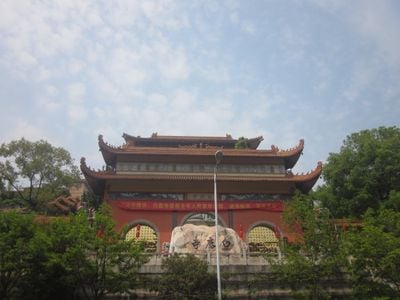
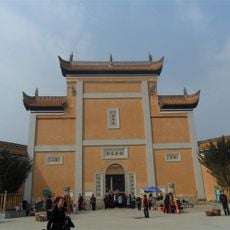
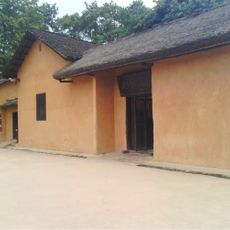
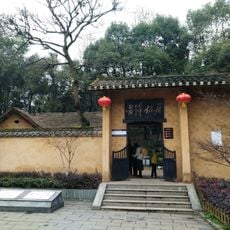
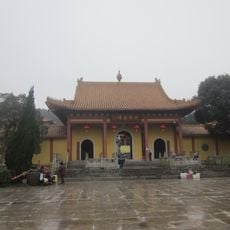
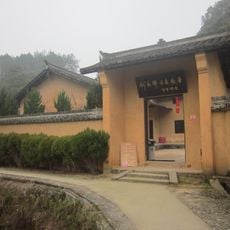
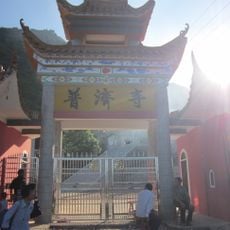
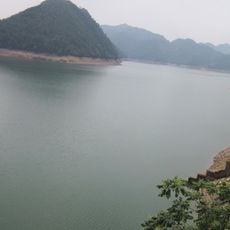
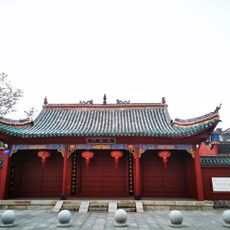
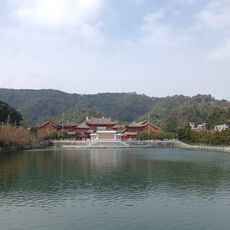
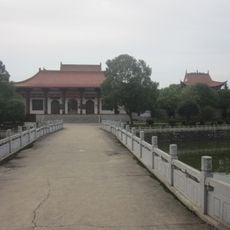
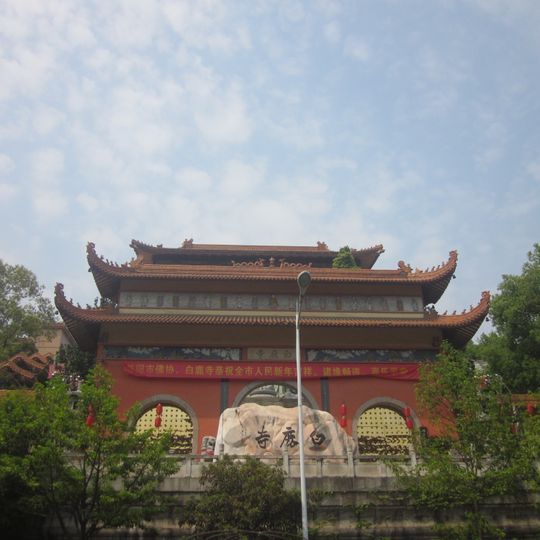
White Deer Temple is a Buddhist sanctuary in Yiyang, Hunan, situated on the south bank of the Zi River and featuring traditional Chinese architecture with curved roofs. The complex spreads across roughly 13 hectares and includes multiple halls, a square brick pagoda from 1175, a bell tower, a drum tower, and dedicated spaces for prayer and meditation.
The temple's origins trace back to the Tang Dynasty, around 806 to 820, when it was founded as a religious center and place of learning. After severe destruction during the Taiping Rebellion in the 1800s, it was rebuilt by the monk Weiguang with support from a local official.
The temple is connected to stories about deer that once rested in this area according to local legends. Visitors can learn about these narratives through signage and guides, gaining insight into the cultural imagination of the place.
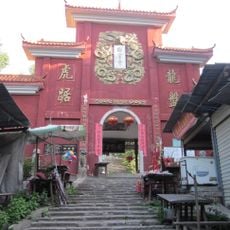
The temple features multiple routes to explore, with central, east, and west paths leading through gates, halls, and towers on the slopes of Talin Mountain. Allow time to enjoy the quiet surroundings and observe the architecture as you walk the simple stone paths.
After 1949, the temple underwent dramatic transformation and was converted into a weaving factory in 1958 before later regaining its religious function. This shift in use tells the story of how the site evolved through China's political changes.
The community of curious travelers
AroundUs brings together thousands of curated places, local tips, and hidden gems, enriched daily by 90,816 contributors worldwide.