Lahn, Right tributary river of the Rhine in central Germany.
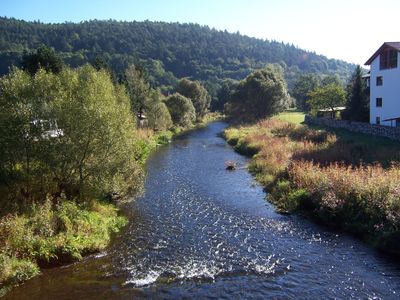
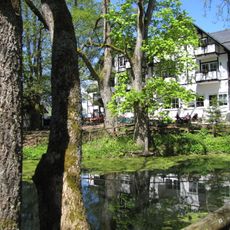
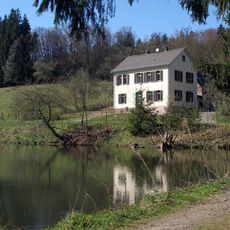
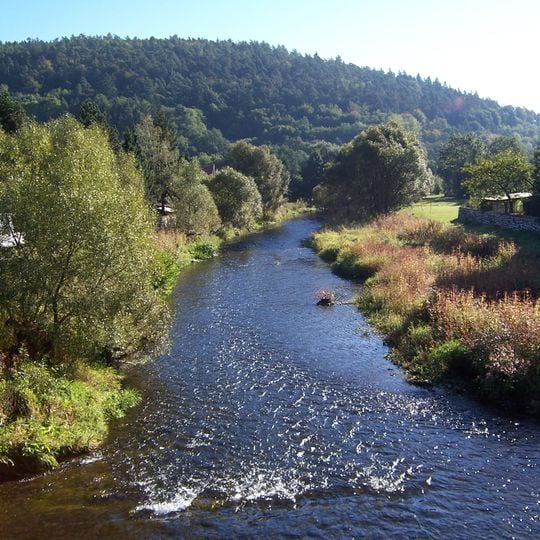
The Lahn winds through three federal states, beginning in the forested uplands of Rothaargebirge and joining the Rhine at Lahnstein after 245 kilometers. Along its path, the waterway passes through wooded hills and open valleys where small villages and larger towns have grown along its banks.
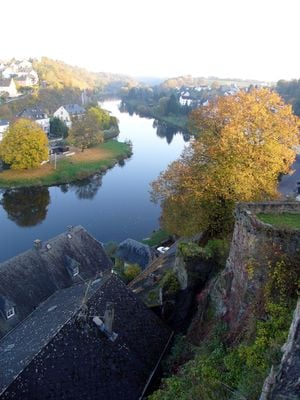
Roman troops used the waterway as a supply route for their fortifications along the Limes, with Bad Ems serving as a key post. During the Middle Ages, trading centers and residence towns emerged along its shores, benefiting from the transport possibilities.
Medieval towns along the river, including Marburg, Limburg, and Wetzlar, contain cathedrals, universities, and fortifications that shaped the regional development.
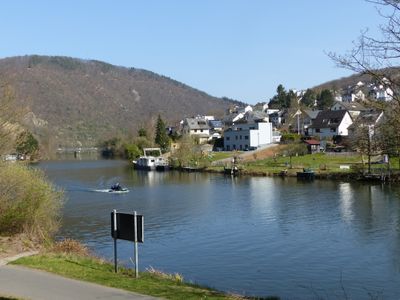
Small craft can navigate the stretch between Lahnstein and Runkel, while walking and cycling routes follow the shores for long distances. The paths lead through landscapes at different elevations, offering both level sections and gradual climbs.
The course separates the Taunus and Westerwald uplands, forming a natural boundary between two geologically distinct landscapes. This division makes the valley a recognizable feature across the region.
The community of curious travelers
AroundUs brings together thousands of curated places, local tips, and hidden gems, enriched daily by 92,037 contributors worldwide.