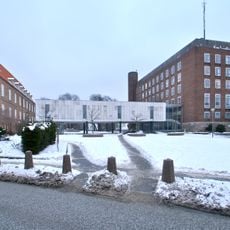
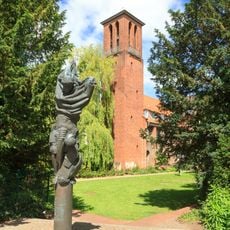
Zoological Museum of Kiel University, Natural history museum in Kiel, Germany.
The Zoological Museum of Kiel University displays collections of marine organisms, prepared birds, and butterflies across several exhibition rooms. The objects give an impression of the diverse animal and plant life from different regions.
The collection began in the 17th century and developed into a research institution whose central hall was designed by architect Martin Gropius in 1881. This architecture shaped the museum's appearance for generations to come.
The museum displays materials from important research voyages and keeps alive the memory of how scientists explored the seas. Visitors can understand here what role such expeditions played in understanding the natural world.
The museum is part of Kiel University and belongs to the Museen am Meer association, so its displays can be combined with other university collections in the city. Since 30 June 2011, current research of the Ocean of the Future cluster has been shown on about 70 square metres on the first floor of the Martin-Gropius-Bau. Allow time for both the zoological galleries and this research floor.
The whale hall holds Germany's only mounted skeletons of a blue whale and a beluga. The blue whale specimen came to Kiel through the marine zoology collections that Karl Möbius built up; Möbius, after whom the museum's research tradition is named, also took part in the Plankton-Expedition of 1889. Look for the two skeletons side by side to compare their size.
The community of curious travelers
AroundUs brings together thousands of curated places, local tips, and hidden gems, enriched daily by 93,900 contributors worldwide.